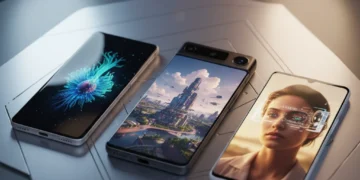
Unpacking the Latest Foldable Phones: A 2026 Review of Durability and Performance
Welcome to 2026, where the smartphone landscape has evolved dramatically, particularly in the realm of foldable devices. What started as a niche, experimental technology just a few years ago has blossomed into a sophisticated, highly competitive market segment. Our focus today is to provide a comprehensive review of the latest foldable phones 2026, delving deep into their durability, performance, and the innovations that are shaping their future. The journey of foldable smartphones has been one of overcoming significant engineering challenges, from screen creasing and hinge fragility to software optimization and battery life. In 2026, many of these initial hurdles have been largely addressed, paving the way for a more refined and reliable user experience.
The promise of a device that can transform from a compact phone into a large tablet has always been compelling. Now, with several generations of development under their belt, manufacturers are delivering on that promise with increasingly robust and powerful devices. This article aims to be your definitive guide to understanding the current state of foldable phones 2026, offering insights into what makes these devices stand out and what consumers should consider before making a purchase. We’ll explore the materials, design philosophies, and technological breakthroughs that define this exciting category, ensuring you’re well-informed about the cutting edge of mobile innovation.
The Evolution of Durability in Foldable Phones 2026
One of the most significant concerns for early adopters of foldable technology was durability. The idea of a screen that bends and folds repeatedly raised questions about its longevity and resistance to everyday wear and tear. Fast forward to 2026, and the advancements in material science and hinge design have dramatically improved the durability of foldable phones 2026. Manufacturers have invested heavily in research and development to create screens that can withstand tens of thousands, if not hundreds of thousands, of folds without exhibiting significant signs of degradation.
Key to this improved durability is the widespread adoption of ultra-thin glass (UTG) combined with advanced polymer layers. While early foldable screens often featured a plastic-like feel and were prone to scratches, the UTG of 2026 offers a much more premium, glass-like touch experience while maintaining flexibility. This new generation of UTG is not only more resistant to scratches but also less susceptible to creasing. The ‘crease’ that was once a prominent visual feature on folded displays has been significantly minimized, almost to the point of being imperceptible on many flagship models, thanks to improved display panel technology and innovative hinge designs.
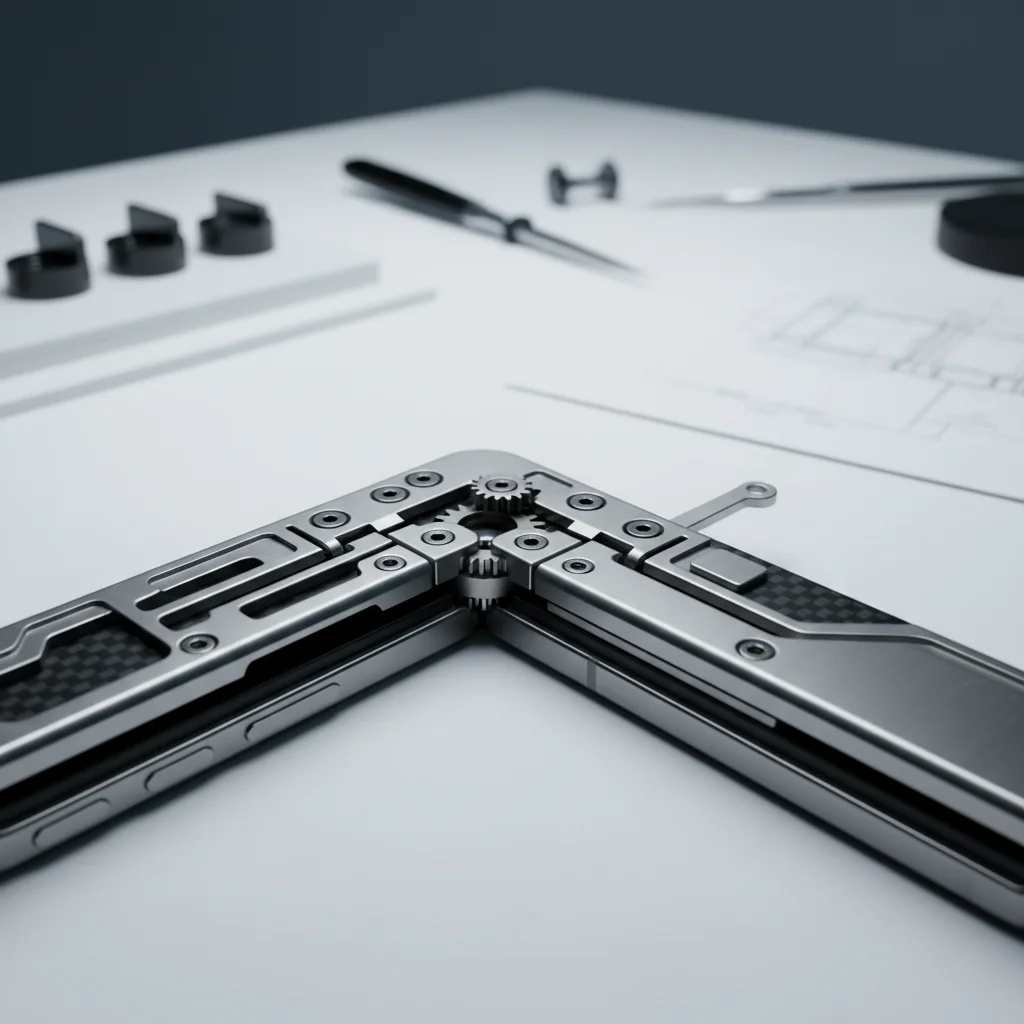
Speaking of hinges, the mechanical heart of any foldable device, these too have undergone a profound transformation. Early hinges were often bulky, prone to dust ingress, and could sometimes feel flimsy. The foldable phones 2026 feature precision-engineered hinges that are slimmer, more robust, and often incorporate sophisticated gear mechanisms or waterdrop designs that allow the screen to fold with a larger radius, reducing stress on the display. Many models now boast IPX8 water resistance ratings, a testament to the advancements in sealing and material science that protect these intricate mechanisms from environmental factors. This level of ingress protection was once unthinkable for a device with moving parts, but it’s now becoming a standard expectation for premium foldables.
Beyond the screen and hinge, the overall structural integrity of foldable phones 2026 has also seen substantial improvements. Frame materials often include aerospace-grade aluminum or titanium alloys, providing rigidity and protection against drops. The integration of advanced shock-absorbing layers beneath the display further enhances resilience. Consumers can now confidently use their foldable devices in a wider range of environments, knowing that they are built to last. This leap in durability is not just about surviving accidental drops; it’s about providing peace of mind and ensuring that these expensive devices can serve their users reliably for years to come, just like their traditional slab smartphone counterparts.
Performance Benchmarks: What to Expect from Foldable Phones in 2026
Durability is only one side of the coin; performance is equally crucial for any modern smartphone. In 2026, foldable phones 2026 are no longer making compromises on processing power or user experience. They are equipped with the latest generation of mobile chipsets, offering performance that rivals, and in some cases surpasses, traditional flagship smartphones. These devices are designed to handle everything from demanding gaming and intricate multitasking to advanced AI applications with effortless grace.
The leading foldable models in 2026 typically feature 3nm or even 2nm process technology chipsets, boasting multi-core CPUs and powerful GPUs that deliver incredible speeds and graphical fidelity. This means buttery-smooth app transitions, rapid loading times, and the ability to run multiple complex applications simultaneously without a hint of lag. RAM configurations are generous, often starting at 12GB and extending to 16GB or even 24GB in premium models, ensuring ample memory for even the most resource-intensive tasks. Storage options have also expanded, with 512GB and 1TB becoming common, allowing users to store vast amounts of data, high-resolution media, and numerous applications.
The unique form factor of foldable phones 2026 also plays a role in their performance capabilities, particularly in multitasking. The larger unfolded display provides an expansive canvas for running several apps side-by-side, enhancing productivity for professionals and offering an immersive experience for media consumption. Operating systems have been meticulously optimized to take full advantage of the foldable form factor, with intuitive split-screen modes, floating windows, and seamless transitions between folded and unfolded states. This software-hardware synergy ensures that the powerful internal components are fully utilized to deliver an unparalleled user experience, making these devices true productivity powerhouses.
Display Technology and User Experience Innovations
The display is arguably the most defining feature of any foldable phone, and in 2026, these screens are more impressive than ever. The main internal displays of foldable phones 2026 typically feature high refresh rates, often 120Hz or even 144Hz, providing incredibly fluid scrolling and animations. Resolution has also seen an uptick, with many devices offering 2K or even 4K equivalent pixel densities when unfolded, resulting in razor-sharp text and incredibly detailed images. HDR10+ and Dolby Vision support are standard, ensuring stunning contrast and vibrant colors for all your media.
Beyond the internal display, the external cover screens have also become significantly more functional. Gone are the days of tiny, notification-only outer displays. Foldable phones 2026 now feature cover screens that are large, vibrant, and fully capable of handling most smartphone tasks without needing to unfold the device. This includes replying to messages, browsing social media, checking navigation, and even playing casual games. This dual-screen approach offers unparalleled versatility, allowing users to choose the optimal screen size for their current task, whether it’s a quick check on the go or an immersive media experience at home.
The user experience on foldable phones 2026 is further enhanced by sophisticated software optimizations. Manufacturers have worked closely with operating system developers to create a seamless transition between the compact and expanded modes. Apps dynamically adjust their layout, and content reflows intelligently to fit the screen size. Features like ‘Flex Mode’ (where the device can be partially folded to act as its own stand) have become more refined, enabling new interaction paradigms for video calls, content consumption, and photography. The integration of advanced haptic feedback systems also contributes to a more tactile and engaging user experience, making interactions feel more responsive and intuitive.
Camera Systems: Capturing Moments with Foldable Phones 2026
Historically, foldable phones sometimes lagged behind their traditional flagship counterparts in camera performance, often due to space constraints within their innovative designs. However, foldable phones 2026 have largely closed this gap, offering camera systems that are on par with, or even exceed, the best traditional smartphones. Manufacturers have found clever ways to integrate larger sensors, more advanced optics, and sophisticated computational photography algorithms into their foldable designs.
The typical camera setup on a premium foldable in 2026 includes a versatile array of lenses: a high-resolution main sensor (often 50MP or more) with optical image stabilization (OIS), an ultra-wide-angle lens for expansive shots, and a telephoto lens (or even a periscope lens) offering significant optical zoom capabilities. Many models also incorporate dedicated macro lenses or depth sensors for enhanced portrait photography. The ability to use the main camera system for high-quality selfies by utilizing the cover screen as a viewfinder is a major advantage unique to certain foldable designs, offering unparalleled front-facing camera quality.
Computational photography, powered by the advanced AI capabilities of the latest chipsets, plays a crucial role in enhancing image quality. Features like improved low-light performance, advanced HDR, and intelligent scene recognition ensure that photos taken with foldable phones 2026 are consistently stunning across various lighting conditions. Video recording capabilities are also top-tier, with support for 8K resolution, advanced stabilization, and cinematic modes. The flexibility of the foldable form factor also opens up new creative possibilities for photography and videography, such as using the device as a tripod or for unique angles that would be difficult to achieve with a rigid phone.
Battery Life and Charging Innovations in Foldable Phones 2026
Battery life has always been a critical concern for smartphones, and especially so for foldables, which often power two displays and complex hinge mechanisms. Early foldable models sometimes struggled to offer all-day battery life, but foldable phones 2026 have made significant strides in this area. Through a combination of larger battery capacities, more power-efficient chipsets, and highly optimized software, these devices now deliver impressive endurance.
Many premium foldables in 2026 feature dual-cell battery designs that allow for higher overall capacity without compromising the thinness of the device. Capacities typically range from 4500mAh to over 5000mAh, which, when combined with the energy efficiency of 3nm/2nm processors and adaptive refresh rate displays, provides robust battery performance. Users can expect to get a full day of moderate to heavy use on a single charge, even with frequent unfolding and use of the larger display.
Charging technology has also evolved. Fast wired charging is standard, with many devices supporting 60W, 80W, or even 100W+ charging speeds, allowing for a full charge in under an hour. Wireless charging capabilities have also improved, often supporting speeds of 25W or 50W, making it convenient to top up the battery throughout the day. Reverse wireless charging is also a common feature, enabling users to charge accessories like earbuds or smartwatches directly from their foldable phone. These charging innovations address the practical needs of users, ensuring that the enhanced functionality of foldable phones 2026 is not hampered by power constraints.

The Future Outlook: What’s Next for Foldable Phones Beyond 2026?
While foldable phones 2026 represent a significant leap forward, the innovation doesn’t stop here. The future of foldable technology promises even more exciting developments. One area of intense research is the complete elimination of the screen crease. While current models have minimized it, future generations aim for a truly flat, seamless display when unfolded. This could involve new hinge designs, self-healing display materials, or even more advanced UTG formulations that are virtually indistinguishable from traditional glass.
Beyond the traditional ‘clamshell’ and ‘book-style’ foldables, we might see new form factors emerge. Rollable phones, which can expand their screen size by rolling out a flexible display from within the device’s body, are already in prototype stages and could become a commercial reality in the coming years. Devices with multiple folds, allowing for even more complex transformations (e.g., a phone that folds into a compact size but can then unfold into an even larger tablet or small monitor), are also on the horizon. These multi-fold designs would push the boundaries of portability and versatility even further.
Integration with augmented reality (AR) and virtual reality (VR) technologies is another exciting prospect. The large, high-resolution displays of foldables make them ideal candidates for enhanced AR experiences, and future iterations could feature advanced depth sensors and more powerful processing to support immersive mixed-reality applications. As AI continues to evolve, foldable phones 2026 and beyond will likely integrate even more sophisticated AI capabilities, from personalized digital assistants that understand context better to on-device AI models that can perform complex tasks without cloud dependency.
The ecosystem of apps optimized for foldable screens will also continue to grow, offering more tailored experiences that fully leverage the unique advantages of these devices. We can expect more seamless integration with other smart devices, creating a truly interconnected personal technology hub. The price point, which has historically been a barrier for many consumers, is also expected to become more competitive as manufacturing processes mature and economies of scale are achieved, making foldable technology accessible to a wider audience. The trajectory for foldable phones 2026 indicates a clear path towards becoming the mainstream choice for premium smartphone users.
Making the Right Choice: Is a Foldable Phone for You in 2026?
With all the advancements in foldable phones 2026, the question remains: is now the right time for you to embrace this technology? If you value cutting-edge innovation, desire a larger screen for productivity and entertainment without sacrificing portability, and appreciate the versatility of a device that can transform to suit your needs, then a foldable phone is an excellent choice. The significant improvements in durability mean that many of the initial concerns have been addressed, offering a robust and reliable daily driver.
When considering a purchase, look for devices that offer the best balance of screen durability (check for UTG and hinge ratings), powerful processors for smooth performance, and comprehensive software optimization that takes full advantage of the foldable form factor. Camera quality and battery life should also be key considerations, as these aspects have reached parity with traditional flagships. Pay attention to the specific type of foldable – clamshells offer ultimate portability and a compact form factor, while book-style foldables prioritize an expansive tablet-like experience.
The market for foldable phones 2026 is more mature and diverse than ever before, with options catering to various preferences and budgets within the premium segment. As technology continues to push boundaries, these devices are not just gadgets; they are statements about the future of personal computing, offering a glimpse into what our digital interactions will look like. Embracing a foldable phone in 2026 means investing in a device that is at the forefront of innovation, ready to redefine your mobile experience. The blend of sophisticated engineering, powerful performance, and enhanced durability makes these devices compelling options for anyone looking to upgrade to the next generation of smartphones.
Conclusion: The Ascendancy of Foldable Phones in 2026
In conclusion, 2026 marks a pivotal year for foldable smartphones. What began as a bold experiment has solidified into a category defined by remarkable durability, exceptional performance, and a user experience that is both innovative and practical. The advancements in materials, hinge design, processing power, and software optimization have collectively addressed many of the initial reservations consumers had about these devices. Foldable phones 2026 are no longer just novelties; they are serious contenders for the title of the ultimate personal computing device, offering a blend of phone and tablet functionality in a single, elegant package.
As we’ve explored, the journey from fragile prototypes to robust, water-resistant powerhouses has been rapid and impressive. The crease is minimized, the hinges are stronger, the screens are more resilient, and the internal components are as powerful as any top-tier traditional smartphone. The versatility offered by the dual-screen form factor, coupled with intelligent software, provides a truly unique and enhanced user experience for both productivity and entertainment. The camera systems have caught up, and battery life concerns are largely a thing of the past.
Looking ahead, the trajectory for foldable technology is nothing short of exciting, with promises of even more radical designs and seamless integration into our increasingly connected lives. For those contemplating a leap into the future of mobile technology, foldable phones 2026 offer a compelling and mature proposition. They represent not just an evolution of the smartphone but a revolution in how we interact with our digital world. The future is flexible, and in 2026, that future is firmly in our hands.