Top 4 Privacy Apps 2026: Protect Your Digital Data 24/7
Enhance Your Digital Security: 4 Essential Privacy Apps for 2026 to Protect Your Data 24/7
In an increasingly interconnected world, where our lives are inextricably linked to digital platforms, the importance of safeguarding our personal information has never been more critical. The year 2026 brings with it new challenges and sophisticated threats to our online privacy. As technology advances, so do the methods employed by those who seek to exploit our data. Therefore, understanding and utilizing the best digital privacy apps is no longer an option but a necessity for anyone serious about protecting their online footprint. This comprehensive guide will delve into four essential digital privacy apps that are poised to offer robust protection for your data 24/7 in 2026.
The digital landscape is a double-edged sword. On one hand, it offers unprecedented convenience, connectivity, and access to information. On the other, it exposes us to a myriad of risks, including data breaches, identity theft, surveillance, and targeted advertising. Every click, every search, every interaction online leaves a digital trace, and without proper precautions, this trace can be exploited. The concept of digital privacy extends beyond merely hiding your activities; it encompasses control over your personal data, ensuring it is used ethically and only with your explicit consent.
As we move further into 2026, the regulatory environment around data privacy is also evolving. While laws like GDPR and CCPA have set precedents, new legislation and technological advancements continue to shape how our data is collected, stored, and processed. This dynamic environment necessitates a proactive approach to personal data protection. Relying solely on platform defaults or basic security measures is often insufficient. This is where dedicated digital privacy apps come into play, offering specialized tools and features designed to fortify your digital defenses.
Choosing the right digital privacy apps can be overwhelming given the vast number of options available. Our selection for 2026 focuses on apps that are not only highly effective but also user-friendly, offering comprehensive protection across various aspects of your digital life. These apps represent the vanguard of privacy technology, incorporating cutting-edge encryption, advanced tracking prevention, and intuitive interfaces to empower users with greater control over their data.
Before we dive into the specific apps, it’s crucial to understand what makes a digital privacy app truly effective. Key features often include end-to-end encryption, strong no-logging policies, multi-factor authentication, anti-tracking capabilities, secure browsing, and robust data management tools. Furthermore, the reputation of the developer, their commitment to privacy, and regular security audits are all factors to consider. Our chosen digital privacy apps for 2026 meet these stringent criteria, providing a holistic approach to your online security.
The Evolving Threat Landscape: Why Digital Privacy Apps are Crucial in 2026
The year 2026 marks a significant period in the ongoing battle for digital privacy. The sophistication of cyber threats has reached unprecedented levels, moving beyond simple phishing scams to advanced persistent threats (APTs), AI-powered surveillance, and highly personalized data exploitation. Companies are increasingly leveraging big data analytics and machine learning to create detailed profiles of users, often without explicit consent or full transparency. Governments, too, are grappling with the balance between national security and individual privacy, leading to complex legal and ethical dilemmas.
One of the most pressing concerns in 2026 is the proliferation of data brokers. These entities collect, aggregate, and sell personal data from various sources, often without individuals’ knowledge. Your browsing history, purchase records, social media activity, and even location data can be compiled and sold, leading to targeted advertising, discriminatory practices, and even identity theft. Traditional security measures like antivirus software are essential but often fall short of addressing these systemic privacy invasions. This is precisely where specialized digital privacy apps step in, offering tools to obscure your digital footprint and reclaim control over your information.
Furthermore, the rise of the Internet of Things (IoT) has introduced new vulnerabilities. Smart homes, wearable devices, and connected vehicles are constantly collecting data, creating new avenues for potential breaches. Ensuring the security and privacy of these devices requires a multi-layered approach, with digital privacy apps playing a vital role in managing permissions, encrypting communications, and blocking unwanted data transmissions. The sheer volume and variety of data points being generated make comprehensive protection more challenging but also more imperative than ever before.
The integration of artificial intelligence (AI) into everyday applications also presents a double-edged sword for privacy. While AI can enhance security features and personalize user experiences, it also has the potential to analyze and infer highly sensitive information from seemingly innocuous data. AI-driven facial recognition, voice analysis, and behavioral profiling are becoming more prevalent, raising concerns about mass surveillance and algorithmic bias. Therefore, having digital privacy apps that can counteract these advanced techniques is fundamental to maintaining personal autonomy in the digital age of 2026.
The global geopolitical climate also influences digital privacy. Cyber warfare, state-sponsored hacking, and cross-border data flows create a complex web of threats. Users need tools that are resilient against state-level surveillance and offer strong encryption that even powerful adversaries cannot easily break. The emphasis on open-source solutions and independent audits has grown stronger, as these provide greater transparency and foster trust among users. Our selected digital privacy apps prioritize these aspects, ensuring that your data remains yours, regardless of external pressures.
Essential Digital Privacy App 1: Advanced VPN Solutions
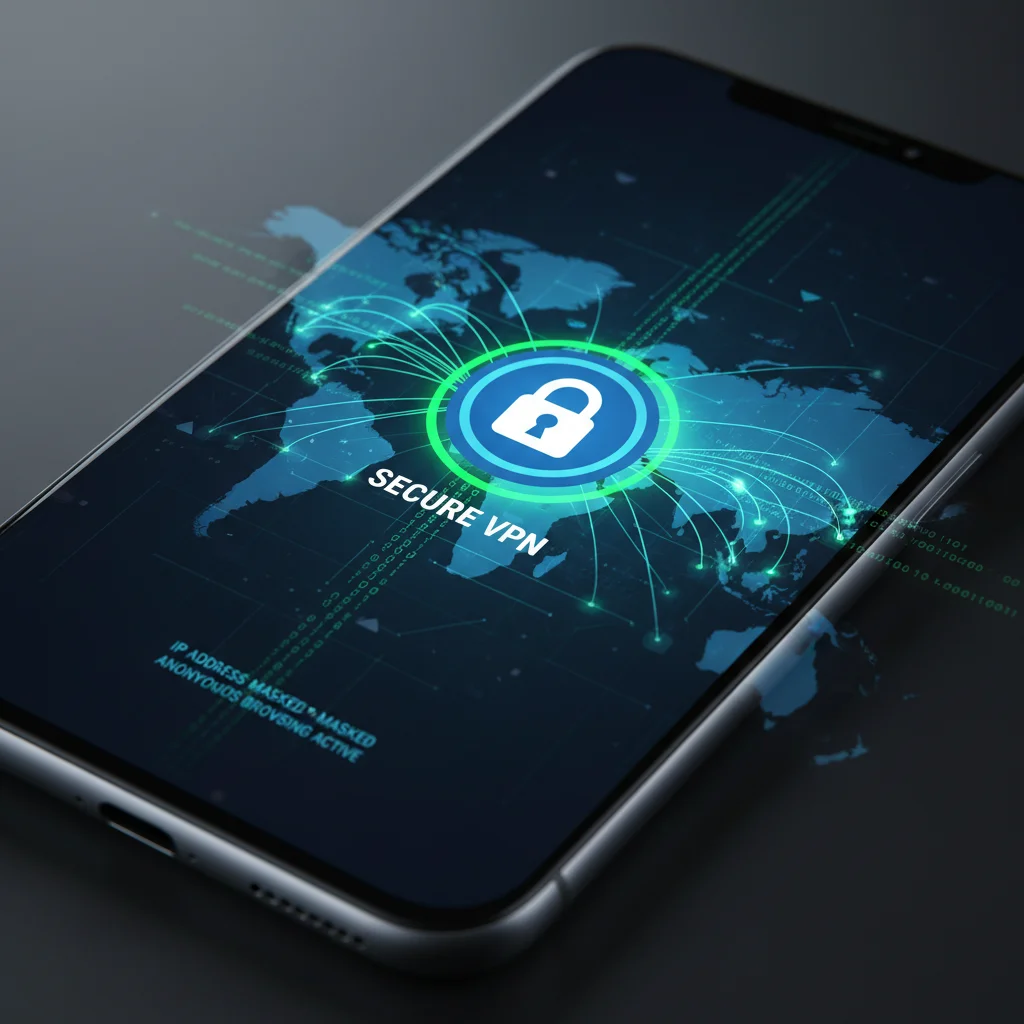
A Virtual Private Network (VPN) remains the cornerstone of digital privacy, and in 2026, advanced VPN solutions are more sophisticated than ever. These apps encrypt your internet traffic and route it through a server in a location of your choice, effectively masking your IP address and making your online activities virtually untraceable. This is crucial for preventing internet service providers (ISPs), government agencies, and malicious actors from monitoring your browsing habits, online communications, and downloaded content.
The leading VPNs for 2026 offer cutting-edge encryption protocols, such as WireGuard and OpenVPN, which provide a balance of speed and security. Look for VPNs with a strict no-logging policy, independently audited to verify that they do not store any records of your online activities. This is paramount, as a VPN that logs your data defeats the purpose of using one for privacy. Furthermore, features like a kill switch, which automatically disconnects your internet if the VPN connection drops, prevent accidental data leaks.
Beyond basic encryption, advanced VPNs in 2026 come with additional features designed to enhance your digital privacy. These include built-in ad blockers and tracker blockers, which prevent websites from collecting data about your browsing behavior. Some even offer double VPN features, routing your traffic through two separate VPN servers for an extra layer of encryption and obfuscation. Split tunneling allows you to choose which apps use the VPN and which access the internet directly, offering flexibility for specific tasks.
When selecting a VPN in 2026, consider its server network size and distribution. A larger network ensures faster speeds and more options for bypassing geo-restrictions. Customer support, compatibility across multiple devices (desktops, laptops, smartphones, routers), and ease of use are also important factors. The best digital privacy apps in the VPN category will offer intuitive interfaces that make it easy for anyone to protect their online activities, regardless of their technical expertise.
Using a VPN is particularly important when connecting to public Wi-Fi networks, which are notorious for their lack of security. A VPN encrypts your data, protecting it from eavesdroppers and potential hacking attempts on unsecured networks. In 2026, with the increasing prevalence of smart cities and ubiquitous public connectivity, a reliable VPN is an indispensable tool for maintaining your digital privacy wherever you go.
Essential Digital Privacy App 2: Secure Messaging and Communication Tools
In an era where personal conversations and professional communications frequently take place online, securing your messaging apps is paramount for digital privacy. Traditional messaging platforms often lack robust encryption, leaving your conversations vulnerable to interception and surveillance. For 2026, a secure messaging app is one that offers end-to-end encryption (E2EE) by default, meaning only the sender and intended recipient can read the messages.
Beyond E2EE, the top secure messaging apps in 2026 offer features designed to enhance privacy, such as disappearing messages, which automatically delete conversations after a set period. This minimizes the digital footprint of your communications. Screenshot prevention, while not foolproof, adds another layer of deterrence against unauthorized sharing of your messages. Look for apps that are open-source, allowing security experts to audit their code for vulnerabilities, fostering transparency and trust.
The metadata associated with your communications can also reveal a significant amount of information about your habits and connections. While E2EE protects the content of your messages, some apps go further by minimizing the collection of metadata, such as who you communicate with, when, and for how long. This focus on metadata privacy is a key differentiator among the best digital privacy apps for secure communication in 2026.
Voice and video calls also need to be secured. The leading secure messaging apps extend their E2EE capabilities to these features, ensuring that your real-time conversations are just as private as your text messages. This is especially important for remote work and personal interactions that have become a staple of our digital lives. Verifiable security, often through safety numbers or QR codes that allow you to confirm the identity of your contact, adds an extra layer of trust to your communications.
Choosing a secure messaging app is not just about its features but also about its adoption. For effective communication, your contacts also need to use the same secure platform. Therefore, widespread adoption among privacy-conscious individuals is a strong indicator of a good choice. Educating your friends and family about the importance of secure communication tools is a crucial step in building a more private digital ecosystem for everyone in 2026, enhancing overall digital privacy.
Essential Digital Privacy App 3: Comprehensive Password Managers
Weak or reused passwords are one of the most common entry points for cyberattacks and data breaches. In 2026, with the average person managing dozens, if not hundreds, of online accounts, a robust password manager is an indispensable tool for maintaining your digital privacy. These apps securely store all your login credentials, generate strong, unique passwords for each account, and often auto-fill them for you, eliminating the need to remember complex combinations.
The best password managers for 2026 offer military-grade encryption to protect your password vault, ensuring that even if the app’s servers are compromised, your data remains secure. They also integrate seamlessly across multiple devices and operating systems, allowing you to access your passwords from anywhere. Multi-factor authentication (MFA) is a critical feature, adding an extra layer of security by requiring a second form of verification, such as a fingerprint or a code from an authenticator app, before granting access to your vault.
Beyond just storing passwords, modern password managers act as comprehensive identity protection tools. Many now include features like secure note storage for sensitive information (e.g., credit card details, social security numbers), secure file attachments, and even dark web monitoring. Dark web monitoring alerts you if your credentials appear in known data breaches, allowing you to take immediate action to change your passwords and protect your accounts. This proactive approach significantly enhances your digital privacy.
Password managers also help mitigate the risk of phishing attacks. By auto-filling credentials only on legitimate websites, they prevent you from inadvertently entering your login information into fraudulent sites. This is a subtle yet powerful security feature that can save you from significant headaches. Some advanced password managers even offer built-in VPNs or secure browsers, further consolidating your digital privacy tools into one ecosystem.
When choosing a password manager in 2026, look for one that has a strong reputation, regular security audits, and a clear privacy policy. Ease of use is also important, as a complicated interface can discourage consistent use. The goal is to make strong password practices effortless, thereby significantly reducing your vulnerability to online threats and strengthening your overall digital privacy posture. Investing in a reliable password manager is one of the most impactful steps you can take to protect your digital identity.

Essential Digital Privacy App 4: Privacy-Focused Browsers and Ad/Tracker Blockers
Your web browser is often the primary gateway to your digital life, and as such, it’s a major target for data collection and tracking. In 2026, using a privacy-focused browser combined with robust ad and tracker blockers is essential for safeguarding your digital privacy. Traditional browsers often come with default settings that allow extensive tracking by third-party advertisers and data analytics companies, compiling detailed profiles of your online behavior.
Privacy-focused browsers are built from the ground up with privacy in mind. They often include features like automatic tracker blocking, fingerprinting protection (which makes it harder for websites to identify you based on your browser’s unique configuration), and enhanced cookie control. Some even integrate VPNs or Tor functionality directly into the browser, offering an immediate and significant boost to your anonymity. These browsers aim to minimize the data footprint you leave behind as you navigate the web.
Even if you prefer a mainstream browser, installing dedicated ad and tracker blockers is a non-negotiable step for digital privacy in 2026. These extensions prevent scripts from loading on websites that are designed to monitor your activity, display targeted ads, and collect personal data. They not only enhance your privacy but also often improve browsing speed by reducing the amount of data that needs to be loaded. Look for open-source, reputable blockers that are regularly updated to combat new tracking techniques.
Beyond blocking, some privacy extensions offer features like script blocking, which gives you granular control over which scripts are allowed to run on a website. While this can sometimes break website functionality, it offers the ultimate control over what data is collected from your browser. Learning to use these tools effectively can significantly reduce your exposure to unwanted data collection and enhance your digital privacy.
The fight against online tracking is an ongoing one. As trackers become more sophisticated, so too must our defenses. Regularly reviewing your browser’s privacy settings, clearing cookies, and disabling third-party cookies are good practices. However, relying on a dedicated privacy-focused browser and powerful ad/tracker blockers provides a much more comprehensive and automated solution to protect your browsing data, making them essential digital privacy apps for 2026.
Integrating Digital Privacy Apps into Your Daily Routine
Having the best digital privacy apps is only half the battle; integrating them effectively into your daily routine is the other. The goal is not just to install these apps but to use them consistently and correctly to maximize their benefits. Here’s how you can make digital privacy a seamless part of your life in 2026:
1. Consistent VPN Usage
Make it a habit to activate your VPN whenever you connect to the internet, especially on public Wi-Fi. Many VPN apps offer an ‘always-on’ feature or automatically connect when they detect an unsecured network. This ensures that your internet traffic is always encrypted, protecting your IP address and online activities from surveillance.
2. Secure Communication Defaults
Encourage your contacts to switch to secure messaging apps. While it might take some effort, the collective benefit to your digital privacy is immense. Set these secure apps as your default for sensitive conversations, and make use of features like disappearing messages for added protection.
3. Master Your Password Manager
Commit to using your password manager for every single online account. Generate strong, unique passwords, and enable multi-factor authentication wherever possible. Regularly check for compromised passwords through the manager’s dark web monitoring features. This single practice can drastically reduce your risk of identity theft and account breaches.
4. Adopt a Privacy-Focused Browser
Switch to a privacy-focused browser for your daily internet use. Install and configure ad/tracker blockers to your preferences. Periodically review your browser’s privacy settings and clear your browsing data. This proactive approach ensures that your browsing habits remain private and that you are not constantly being tracked by advertisers.
5. Regular App Audits and Updates
Regularly review the permissions granted to all apps on your devices. Delete apps you no longer use. Keep all your digital privacy apps and operating systems updated to their latest versions. Software updates often include critical security patches that protect against newly discovered vulnerabilities. This vigilance is key to continuous digital privacy.
6. Educate Yourself and Others
Stay informed about the latest privacy threats and best practices. The digital landscape is constantly changing, and what was secure yesterday might not be secure tomorrow. Share your knowledge with friends and family to help them protect their own digital privacy. A more privacy-aware community strengthens everyone’s security.
The Future of Digital Privacy in 2026 and Beyond
As we look beyond 2026, the trends indicate an even greater emphasis on personal digital privacy. We can expect to see further advancements in decentralized technologies, such as blockchain, being applied to identity management and data storage, giving individuals more direct control over their information. Quantum-resistant encryption is also on the horizon, preparing us for a future where current encryption methods might be vulnerable to quantum computing attacks.
The development of AI will continue to pose both opportunities and challenges for privacy. AI could be used to create more sophisticated privacy tools that proactively detect and block surveillance attempts. Conversely, it could also be leveraged to create more intrusive tracking and profiling mechanisms. The ongoing arms race between privacy advocates and those who seek to exploit data will likely intensify, making the role of innovative digital privacy apps even more critical.
Regulatory bodies worldwide are also expected to strengthen data protection laws, imposing stricter penalties for breaches and violations of privacy. This will put more pressure on companies to adopt privacy-by-design principles, integrating privacy considerations into their products and services from the outset. However, individual responsibility will always remain a cornerstone of effective digital privacy.
The concept of ‘zero-trust’ security models, which assume that no user or device can be implicitly trusted, will become more prevalent. This approach, when combined with strong digital privacy apps, will create a more resilient defense against both internal and external threats. Users will increasingly demand greater transparency from companies about how their data is collected and used, leading to more privacy-friendly services and products.
Ultimately, the future of digital privacy in 2026 and beyond hinges on a collaborative effort between technology developers, policymakers, and individual users. By choosing and consistently using the essential digital privacy apps discussed in this guide, you are not just protecting your own data; you are contributing to a broader movement towards a more secure and private digital world for everyone. Staying informed, proactive, and discerning about your digital tools will be your greatest assets in navigating the complexities of the evolving online landscape.
Conclusion: Your Shield in the Digital Age of 2026
The digital world of 2026 offers incredible opportunities, but it also demands a heightened awareness of our personal data’s vulnerability. As threats become more sophisticated, so too must our defenses. The four essential digital privacy apps – advanced VPN solutions, secure messaging and communication tools, comprehensive password managers, and privacy-focused browsers with ad/tracker blockers – form a formidable shield against the myriad of online risks.
These apps are not merely tools; they are enablers of digital freedom and autonomy. They empower you to browse, communicate, and transact online with confidence, knowing that your personal information is protected 24/7. By integrating these solutions into your daily routine, you take a proactive stance against surveillance, data breaches, and identity theft, reclaiming control over your digital life.
Remember, digital privacy is an ongoing commitment, not a one-time setup. Stay vigilant, keep your apps updated, and continuously educate yourself about the evolving threat landscape. In 2026, and for years to come, the power to protect your digital self lies in your hands, armed with the right knowledge and the right privacy apps. Make the choice today to fortify your digital security and enjoy a more private and secure online experience.