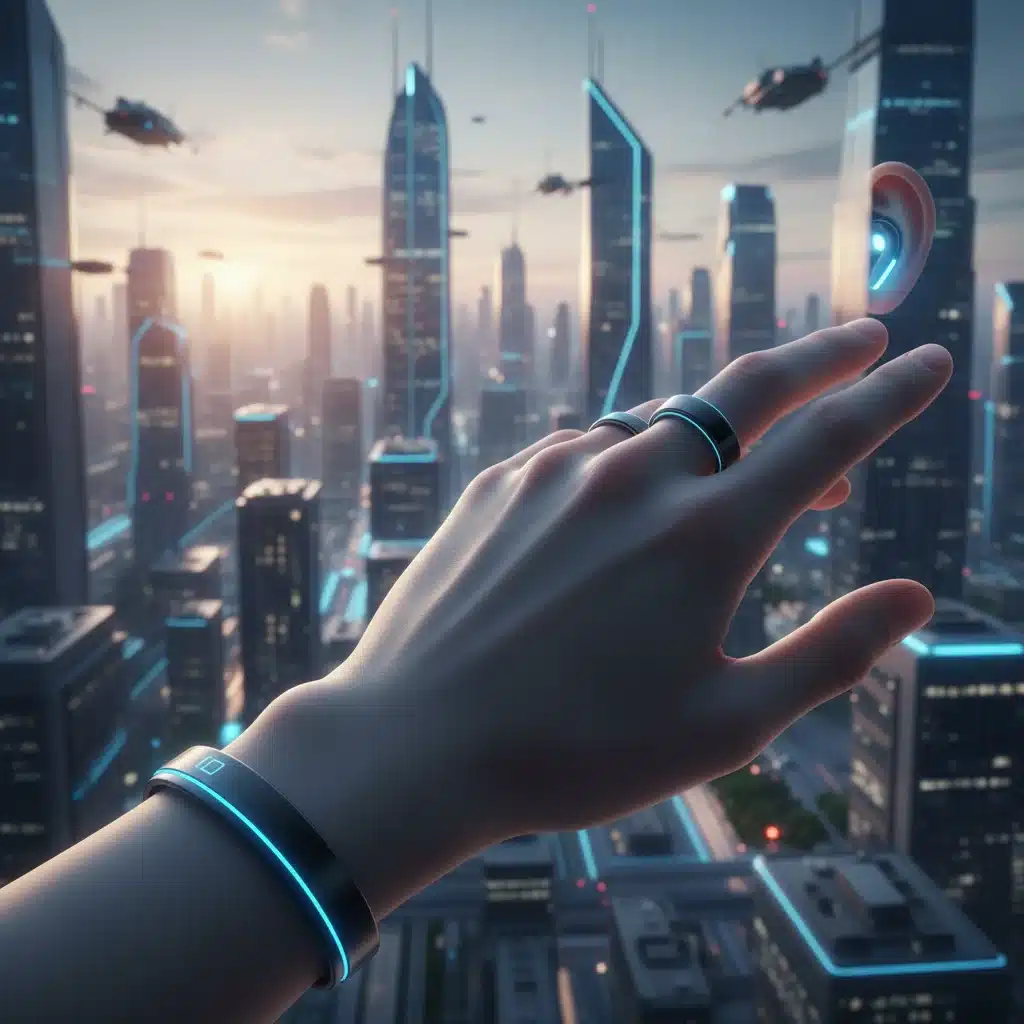
Welcome to 2026. The world around us is more connected, intuitive, and data-driven than ever before, largely thanks to the silent revolution of wearable technology. What once seemed like science fiction is now an indispensable part of our daily lives, particularly in the United States, where the adoption rate of these sophisticated gadgets continues to soar. From optimizing our health to supercharging our productivity, wearable tech trends are not just evolving; they are redefining human potential.
This deep dive into the 2026 landscape of wearable technology focuses on four pivotal trends that are shaping health and productivity in the US market. We’ll explore how these innovations are moving beyond simple step counting to offer hyper-personalized insights, enhance cognitive functions, seamlessly integrate into our environments, and even revolutionize workplace safety and efficiency. Prepare to discover the future, today.
The Evolution of Wearable Technology: A Brief Retrospective to 2026
Before we delve into the specifics of 2026’s groundbreaking wearable tech trends, it’s crucial to understand the journey that brought us here. A decade ago, wearables were largely synonymous with fitness trackers – pedometers on our wrists. Fast forward to today, and the landscape is vastly different. The miniaturization of components, advancements in sensor technology, artificial intelligence (AI), and machine learning (ML) have transformed these devices into powerful personal assistants, health guardians, and productivity boosters.
Early iterations of wearables faced challenges related to battery life, accuracy, and user adoption. However, relentless innovation has addressed many of these hurdles. Today’s devices boast extended battery performance, medical-grade sensor precision, and designs that blend seamlessly with personal style. The focus has shifted from mere data collection to intelligent data interpretation, offering actionable insights that empower users to make informed decisions about their health and well-being.
In the US market, consumer demand for proactive health management and optimized performance has fueled this rapid evolution. Healthcare providers are increasingly integrating wearable data into patient care, and employers are recognizing the value of these devices in enhancing employee wellness and productivity. This confluence of technological advancement and market readiness has set the stage for the exciting trends we are witnessing in 2026.
Trend 1: Hyper-Personalized Health Monitoring and Proactive Care
One of the most significant wearable tech trends in 2026 is the move towards hyper-personalized health monitoring. Gone are the days of generic fitness goals and one-size-fits-all health advice. Modern wearables, powered by advanced AI algorithms and sophisticated biosensors, are now capable of creating a truly individualized health profile for each user.
Beyond Basic Biometrics: The Rise of Comprehensive Physiological Tracking
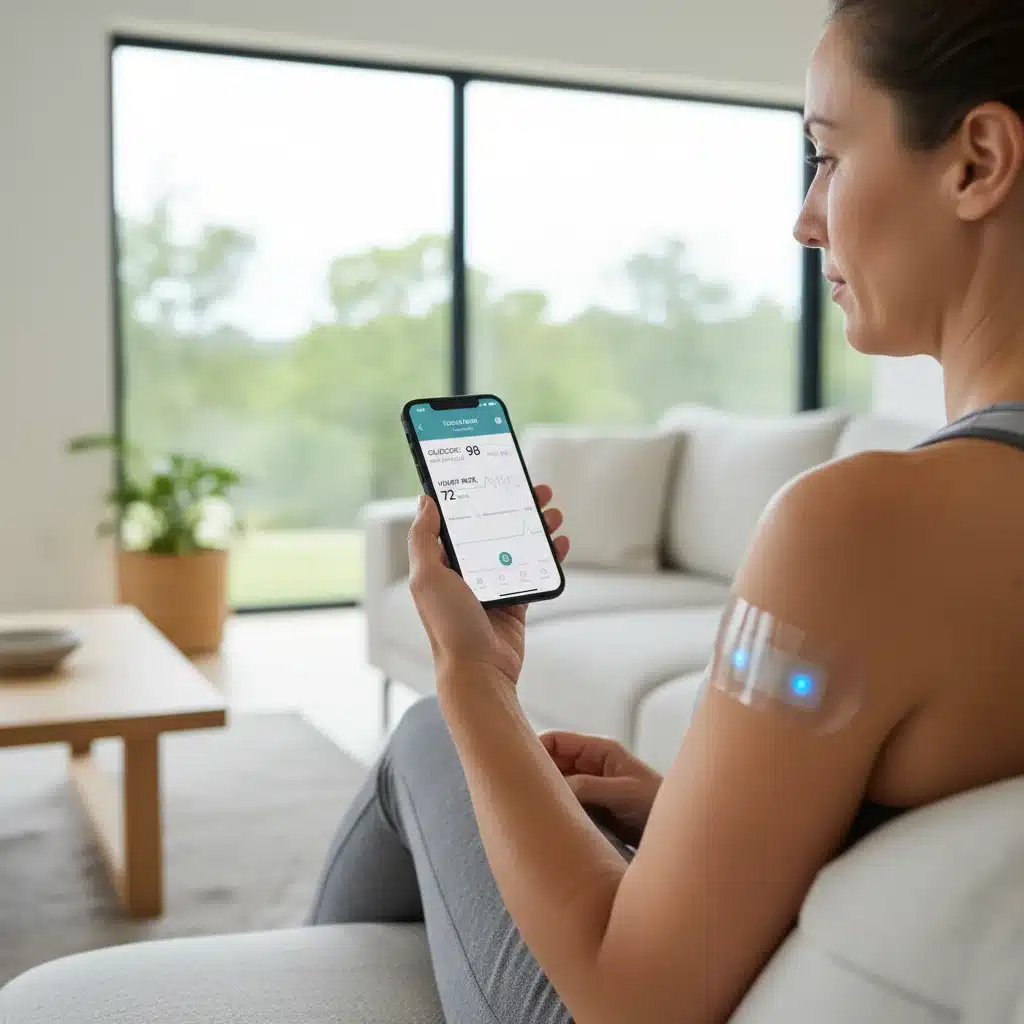
In 2026, wearables do more than just track heart rate and steps. They monitor a vast array of physiological markers with unprecedented accuracy. This includes continuous glucose monitoring (CGM) for both diabetics and those optimizing metabolic health, advanced blood pressure tracking from the wrist, continuous core body temperature monitoring, and even stress hormone level analysis through sweat. These devices leverage microfluidics and nanotechnology to provide real-time, medical-grade data that was once only available in clinical settings.
For instance, a smart ring might not only track your sleep cycles but also analyze specific sleep stages, detect early signs of sleep apnea, and offer personalized recommendations for improving sleep quality based on your unique physiological responses to diet, exercise, and environmental factors. This level of detail empowers individuals to understand their bodies at a granular level and take proactive steps towards better health.
Predictive Analytics and AI-Driven Health Coaching
The true power of these advanced sensors lies in their integration with AI and machine learning. Wearables in 2026 are not just data collectors; they are intelligent health coaches. By continuously analyzing your physiological data patterns, activity levels, and even dietary inputs (often logged via companion apps or voice commands), these devices can predict potential health issues before they manifest.
Imagine a wearable that alerts you to early signs of an impending cold or flu based on subtle changes in your heart rate variability, sleep patterns, and body temperature. Or a device that can flag early indicators of cardiovascular risk, prompting you to consult a doctor with concrete data. This predictive capability transforms healthcare from reactive to proactive, allowing for timely interventions and personalized prevention strategies.
Furthermore, AI-driven health coaching provides tailored recommendations for exercise, nutrition, and stress management. These recommendations are dynamic, adapting to your progress, lifestyle changes, and even environmental factors. For example, your wearable might suggest a different workout routine if it detects signs of overtraining or recommend specific dietary adjustments based on your metabolic response to certain foods.
Seamless Integration with Healthcare Ecosystems
The US healthcare system is increasingly embracing wearable technology. In 2026, it’s common for data from personal wearables to be securely integrated into electronic health records (EHRs), with user consent. This provides healthcare providers with a longitudinal view of a patient’s health outside of clinic visits, leading to more accurate diagnoses and personalized treatment plans.
Telemedicine appointments are enhanced by real-time data streaming from wearables, allowing doctors to assess patient conditions remotely with greater precision. This trend is particularly beneficial for managing chronic conditions, enabling continuous monitoring and timely adjustments to medication or lifestyle. The goal is to create a seamless, patient-centric healthcare experience where individuals are active participants in managing their own well-being, supported by intelligent technology.
Trend 2: Cognitive Performance Enhancement and Mental Well-being
Beyond physical health, 2026’s wearable tech trends are making significant strides in enhancing cognitive performance and supporting mental well-being. The stresses of modern life, coupled with the demands of a fast-paced work environment, have highlighted the need for tools that help us optimize our minds and maintain emotional balance.
Brain-Computer Interface (BCI) Lite and Neuro-Feedback Devices
While full-fledged BCIs are still in nascent stages, 2026 has seen the emergence of ‘BCI-lite’ wearables that offer subtle yet powerful cognitive enhancements. These often come in the form of discreet headbands, smart earbuds, or even specialized glasses equipped with electroencephalography (EEG) sensors. These devices can monitor brainwave activity and provide real-time neuro-feedback.
For example, during focused work sessions, a wearable might detect signs of declining concentration and offer subtle auditory cues or vibrations to help refocus. Conversely, during meditation or relaxation exercises, it can guide users to achieve deeper states of calm by providing feedback on their brainwave patterns. This personalized training helps individuals develop better self-regulation skills, improving focus, memory, and emotional resilience.
Stress Management and Emotional Regulation
Mental health support through wearables is no longer a niche feature. Devices in 2026 are highly adept at detecting physiological indicators of stress, such as elevated heart rate, skin conductance, and changes in breathing patterns. Upon detecting rising stress levels, these wearables can proactively suggest personalized interventions.
These interventions might include guided breathing exercises delivered through smart earbuds, short mindfulness meditations, or even prompts to take a brief break. Some advanced wearables can even integrate with smart home systems to adjust lighting or play calming sounds to create a more relaxing environment. The aim is to provide immediate, context-aware support to help users manage stress before it becomes overwhelming, fostering greater emotional well-being.
Sleep Optimization for Cognitive Function
The critical link between sleep and cognitive performance is well-established. Wearables in 2026 offer highly sophisticated sleep tracking, moving beyond simply identifying sleep stages. They analyze factors like sleep consistency, sleep efficiency, and the impact of environmental variables (e.g., temperature, noise) on sleep quality.
Based on this comprehensive data, these devices provide personalized recommendations for optimizing sleep hygiene, including ideal bedtimes, pre-sleep routines, and even suggestions for diet and exercise timing. Some wearables integrate with smart mattresses or light therapy devices to gently wake users during optimal sleep cycles, ensuring they feel more refreshed and cognitively alert throughout the day. This focus on restorative sleep directly translates to improved memory, problem-solving abilities, and overall mental sharpness.
Trend 3: Seamless Integration and Ambient Intelligence
The third major wearable tech trends of 2026 is the shift towards seamless integration and ambient intelligence. Wearables are no longer isolated gadgets; they are becoming integral components of a larger, interconnected ecosystem, working harmoniously with smart homes, smart vehicles, and smart cities to create truly intelligent environments.
Invisible Technology: Blending into Daily Life
The design philosophy of 2026’s wearables emphasizes invisibility and natural interaction. Devices are smaller, lighter, and often indistinguishable from conventional accessories or clothing. Smart rings, intelligent patches, discreet earbuds, and even smart fabrics are becoming the norm. The goal is to provide powerful functionality without drawing attention or requiring constant manual interaction.
Imagine a smart shirt that monitors your posture throughout the day, providing gentle haptic feedback if you begin to slouch, all while tracking your heart rate and body temperature. Or smart contact lenses that offer augmented reality overlays for navigation or information retrieval, without the need for a screen. This ‘invisible’ tech ensures that the benefits of wearables are always present, without being intrusive.
Contextual Awareness and Proactive Assistance
Ambient intelligence is where wearables truly shine in 2026. These devices are contextually aware, understanding your location, activity, schedule, and even emotional state. They anticipate your needs and offer proactive assistance without explicit commands.
For example, as you approach your smart home, your wearable might automatically adjust the thermostat to your preferred temperature, turn on the lights, and even start your favorite playlist. If your calendar indicates an important meeting, your smart watch might subtly remind you to leave earlier based on real-time traffic data, or suggest a quick breathing exercise to calm pre-meeting nerves. This level of predictive assistance minimizes cognitive load and enhances efficiency.
Enhanced Security and Authentication
Wearables are also playing a crucial role in enhancing personal security and authentication. Biometric authentication, such as fingerprint or heart rate recognition via a smart ring or watch, is becoming a common method for unlocking devices, accessing secure buildings, and even making payments. This offers a more convenient and secure alternative to passwords and PINs.
Furthermore, some wearables are incorporating advanced proximity-based authentication, allowing users to seamlessly log into their computers or access digital services simply by being in the vicinity of their authenticated device. This creates a frictionless and highly secure digital experience, reducing the hassle of managing multiple credentials.
Trend 4: Enterprise Wearables for Enhanced Productivity and Safety
The final, but equally impactful, of the wearable tech trends for 2026 is the significant expansion of enterprise wearables. While consumer adoption has been strong, businesses are now fully realizing the immense potential of these devices to revolutionize workplace productivity, enhance safety, and streamline operations across various industries.
Augmented Reality (AR) Smart Glasses for Frontline Workers
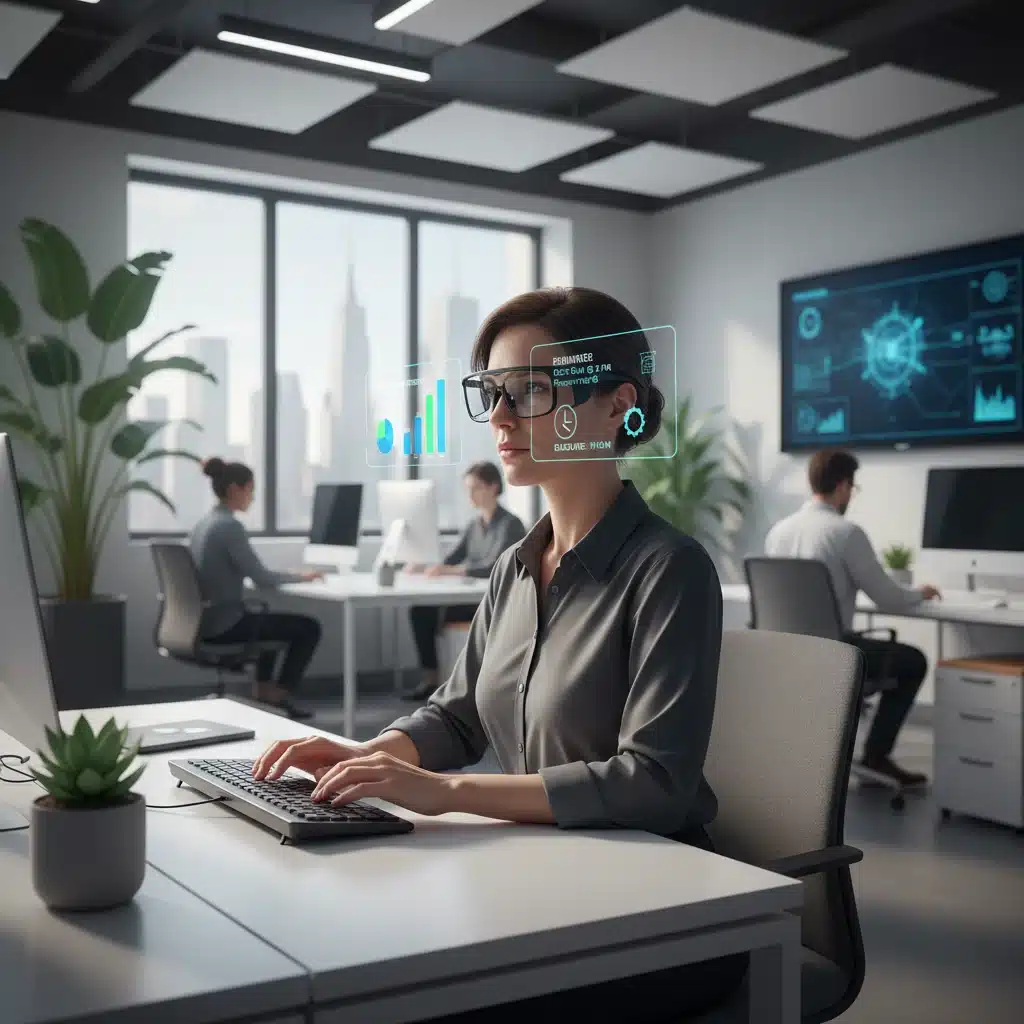
AR smart glasses have moved beyond niche applications and are becoming standard equipment for frontline workers in manufacturing, logistics, healthcare, and field services. These glasses provide hands-free access to critical information, guided workflows, and remote assistance, significantly boosting efficiency and reducing errors.
For a technician performing complex repairs, AR glasses can overlay digital instructions directly onto the equipment, highlight specific components, and even connect them with an expert for real-time video guidance. In warehouses, they can guide workers to pick items more efficiently, reducing search times and improving accuracy. This technology not only speeds up tasks but also democratizes expertise, allowing less experienced workers to perform complex tasks with confidence.
Biometric Monitoring for Worker Safety and Well-being
Wearables are proving invaluable in enhancing worker safety, especially in hazardous environments. Smart helmets, vests, and wristbands equipped with advanced sensors monitor vital signs, environmental hazards, and worker fatigue. These devices can detect early signs of heatstroke, exposure to toxic gases, or even a fall, instantly alerting supervisors and emergency services.
For example, in construction or mining, a worker’s smart vest might monitor their core body temperature and heart rate, issuing an alert if they are at risk of heat stress. In industrial settings, gas sensors integrated into wearables can detect dangerous chemical leaks before they become harmful. This proactive approach to safety not only protects employees but also reduces workplace accidents and associated costs.
Productivity Tracking and Workflow Optimization
Beyond safety, enterprise wearables are being used to optimize workflows and track productivity in a non-intrusive manner. Smart badges and wristbands can monitor movement patterns, task completion times, and collaboration metrics, providing valuable insights for process improvement.
In retail, wearables can guide employees to restock shelves more efficiently or respond to customer requests promptly. In healthcare, they can help nurses manage their rounds and ensure timely patient care. The data collected, when anonymized and aggregated, allows organizations to identify bottlenecks, reallocate resources effectively, and improve overall operational efficiency. Crucially, this is often implemented with a focus on employee empowerment and transparency, ensuring data is used to support rather than simply monitor.
Communication and Collaboration Enhancements
Wearables are also transforming communication and collaboration within enterprises. Smart earbuds with advanced noise cancellation and voice recognition allow for seamless, hands-free communication in noisy environments. Team members can stay connected, share information, and receive instructions without interrupting their workflow.
Push-to-talk functionalities on smartwatches or rings enable instant communication among teams, similar to walkie-talkies but with added intelligence. This enhances coordination, particularly in large facilities or dispersed teams, leading to quicker decision-making and more efficient problem-solving.
The Future Impact of Wearable Tech Trends on the US Market
The convergence of these four wearable tech trends – hyper-personalized health, cognitive enhancement, seamless integration, and enterprise solutions – paints a picture of a future where technology is deeply interwoven with our lives, acting as an intelligent, invisible assistant. In the US market, the implications are profound:
- Healthcare Transformation: A shift towards truly preventive and personalized medicine, reducing healthcare costs and improving quality of life.
- Enhanced Quality of Life: Individuals gain unprecedented control over their physical and mental well-being, leading to healthier, more balanced lives.
- Economic Growth: The wearable technology market continues to be a significant driver of innovation and job creation, with new businesses emerging to develop specialized sensors, AI algorithms, and integrated services.
- Workforce Revolution: Increased productivity, improved safety, and better training for workers across all sectors, leading to more efficient and resilient industries.
- Ethical Considerations: As wearables collect more intimate data, discussions around data privacy, security, and ethical AI use become even more critical, necessitating robust regulations and transparent practices.
Challenges and Considerations for the Road Ahead
While the future of wearable tech trends in the US looks incredibly promising, there are still challenges to address. Data privacy and security remain paramount concerns. As devices collect increasingly sensitive personal and physiological data, ensuring robust encryption, secure storage, and transparent data usage policies will be crucial for maintaining user trust. Regulatory bodies will need to keep pace with technological advancements to establish appropriate guidelines.
Interoperability is another key area. For seamless integration (Trend 3) to truly flourish, different wearable devices and platforms need to communicate effectively with each other and with broader digital ecosystems. Industry standards and open APIs will be essential to prevent fragmentation and foster a truly connected experience.
Finally, affordability and accessibility will determine the widespread adoption of these advanced technologies. While high-end devices may cater to early adopters, making these benefits accessible to a broader demographic, including underserved communities, will be vital for maximizing their societal impact. Innovation in manufacturing processes and business models will be necessary to drive down costs.
Conclusion: The Intelligent Companion of Tomorrow
In 2026, wearable technology in the US is no longer a novelty; it is an intelligent companion, deeply embedded in the fabric of our daily existence. The four wearable tech trends – hyper-personalized health monitoring, cognitive performance enhancement, seamless integration with ambient intelligence, and transformative enterprise solutions – are collectively reshaping how we live, work, and interact with the world.
These devices are empowering us with unprecedented insights into our own bodies and minds, enabling us to be healthier, more productive, and more resilient. As the technology continues to mature, we can anticipate even more sophisticated capabilities, further blurring the lines between the digital and physical worlds, all with the ultimate goal of augmenting human capabilities and improving the quality of life for millions. The journey of wearable technology is far from over; in fact, 2026 marks just another exciting chapter in its ongoing evolution.