Choosing Your First Home: A Comprehensive Guide for New Homeowners

Choosing Your First Home: A Comprehensive Guide for New Homeowners
Buying your first home buyer is one of the most significant milestones in life. It’s an exciting journey filled with dreams of a place to call your own, a space to build memories, and an investment in your future. However, it can also be a daunting process, fraught with complex decisions, financial jargon, and an overwhelming amount of information. This comprehensive guide is designed specifically for the first home buyer, breaking down every step of the process into manageable, easy-to-understand sections. Our goal is to equip you with the knowledge and confidence needed to navigate the real estate market successfully and find the home that’s perfect for you.
From understanding your financial readiness to navigating the intricate world of mortgages, searching for the ideal property, making a compelling offer, and finally, closing the deal, we’ve got you covered. We’ll demystify common real estate terms, offer practical tips, and highlight crucial considerations that often get overlooked. By the end of this guide, you’ll be well-prepared to embark on your homeownership journey with clarity and purpose, making informed decisions every step of the way as a confident first home buyer.
Understanding Your Financial Readiness as a First Home Buyer
Before you even start browsing listings, the most crucial first step for any first home buyer is to assess your financial situation. This involves a thorough review of your income, expenses, savings, and credit history. Understanding what you can realistically afford will set the foundation for a successful home search.
Budgeting and Saving for Your Down Payment
The down payment is often the biggest hurdle for a first home buyer. While 20% is traditionally recommended to avoid Private Mortgage Insurance (PMI), many loan programs allow for much lower down payments, sometimes as little as 3-5% or even 0% for specific programs like VA or USDA loans. Calculate how much you can comfortably save each month and set a realistic timeline for reaching your down payment goal. Remember to also factor in closing costs, which typically range from 2% to 5% of the loan amount, and an emergency fund for unexpected home repairs.
Checking and Improving Your Credit Score
Your credit score plays a pivotal role in securing a mortgage and determining your interest rate. Lenders use your credit score to assess your reliability as a borrower. For a first home buyer, a higher score usually translates to better loan terms, saving you thousands over the life of the loan. Obtain a copy of your credit report from all three major bureaus (Equifax, Experian, and TransUnion) and review it for any errors. Pay down high-interest debt, make all payments on time, and avoid opening new lines of credit before applying for a mortgage.
Getting Pre-Approved for a Mortgage
Pre-approval is not the same as pre-qualification. Pre-qualification is an estimate, while pre-approval involves a lender reviewing your financial documents (income, assets, credit) and formally committing to lend you a specific amount. This step is vital for a first home buyer because it gives you a clear understanding of your borrowing power, demonstrates to sellers that you are a serious buyer, and can speed up the closing process. Shop around with multiple lenders to compare interest rates, loan terms, and fees. Don’t be afraid to negotiate!
Navigating Mortgage Options for the First Home Buyer
The world of mortgages can seem complex, but understanding the basic types will empower you to choose the best option for your situation as a first home buyer.
Fixed-Rate vs. Adjustable-Rate Mortgages (ARMs)
- Fixed-Rate Mortgage: The interest rate remains the same for the entire loan term, typically 15 or 30 years. This provides predictable monthly payments, making budgeting easier. It’s a popular choice for a first home buyer who values stability.
- Adjustable-Rate Mortgage (ARM): The interest rate is fixed for an initial period (e.g., 5, 7, or 10 years) and then adjusts periodically based on market indexes. ARMs often start with lower interest rates than fixed-rate mortgages, which can be attractive for a first home buyer planning to sell or refinance before the adjustment period. However, they carry the risk of higher payments if rates increase.
Government-Backed Loan Programs
Several government-backed programs are designed to assist the first home buyer:
- FHA Loans: Insured by the Federal Housing Administration, these loans require a lower down payment (as low as 3.5%) and have more lenient credit requirements, making them ideal for many first-time buyers.
- VA Loans: Guaranteed by the Department of Veterans Affairs, these loans are available to eligible service members, veterans, and their spouses. They often require no down payment and no private mortgage insurance.
- USDA Loans: Backed by the U.S. Department of Agriculture, these loans are for low-to-moderate-income borrowers in eligible rural and suburban areas. They also often require no down payment.
First-Time Home Buyer Programs and Grants
Many states, counties, and cities offer specific programs, grants, and down payment assistance for the first home buyer. These can significantly reduce your out-of-pocket costs. Research what’s available in your area. A local real estate agent or mortgage lender can be an excellent resource for identifying these opportunities.
Finding the Right Property for the First Home Buyer
With your finances in order, it’s time for the exciting part: finding your dream home! This stage requires patience, research, and a clear understanding of your priorities.
Defining Your Needs and Wants
Before you start looking, make a list of your absolute ‘must-haves’ and ‘nice-to-haves.’ Consider factors such as:
- Location: Proximity to work, schools, family, amenities, public transport, and preferred neighborhoods.
- Size and Layout: Number of bedrooms and bathrooms, square footage, open-concept vs. traditional layout.
- Property Type: Single-family home, condo, townhouse, multi-family.
- Condition: Move-in ready, needs minor updates, or a fixer-upper.
- Outdoor Space: Yard size, garden potential, patio.
- Future Plans: Do you plan to expand your family? Work from home? Consider how your needs might evolve.
Working with a Real Estate Agent
For a first home buyer, a good real estate agent is an invaluable asset. They can:
- Help you navigate the local market, including current trends and property values.
- Identify properties that match your criteria and budget.
- Schedule showings and provide insights into properties.
- Negotiate on your behalf.
- Guide you through the paperwork and closing process.
Look for an agent who specializes in working with first-time buyers and has a strong reputation. Interview a few agents to find someone you trust and feel comfortable working with.
The Home Search Process
Be prepared for a potentially lengthy search. Attend open houses, schedule private showings, and use online real estate platforms. When viewing homes, try to look beyond superficial aesthetics. Pay attention to the home’s structure, potential issues, and how it aligns with your lifestyle. Don’t be afraid to ask questions. Take notes and photos to help you remember details about each property.
Making an Offer and Negotiation as a First Home Buyer
Once you’ve found ‘the one,’ the next step is to make an offer. This is where your real estate agent’s expertise truly shines.
Crafting a Competitive Offer
Your offer isn’t just about the price; it includes various terms and contingencies. A strong offer for a first home buyer might include:
- Offer Price: Based on comparable sales (comps) in the area and your budget.
- Earnest Money Deposit: A good-faith deposit showing you’re serious.
- Contingencies: Conditions that must be met for the sale to go through, such as a satisfactory home inspection, appraisal, and financing approval. While contingencies protect you, fewer contingencies can make your offer more attractive to a seller in a competitive market.
- Closing Date: The proposed date for the transfer of ownership.
- Other Terms: Any personal property included (appliances, fixtures) or special requests.
The Negotiation Process
It’s rare for an initial offer to be accepted without some back-and-forth. The seller might counter your offer, proposing different terms or a higher price. Your agent will guide you through these negotiations, advising you on when to hold firm and when to compromise. Remember that negotiation isn’t just about price; it can also involve repairs, closing costs, or other conditions.
The Importance of a Home Inspection
A home inspection is a critical step for every first home buyer. It’s an opportunity for a professional inspector to evaluate the home’s condition, identify any structural issues, problems with major systems (HVAC, plumbing, electrical), and potential safety hazards. Even if the home looks perfect, an inspection can uncover hidden problems that could cost you thousands down the line. Based on the inspection report, you may negotiate with the seller for repairs, a credit, or a price reduction.
The Appraisal and Underwriting Process
After your offer is accepted and contingencies are in place, the mortgage process moves into the appraisal and underwriting stages.
The Home Appraisal
Your lender will order an appraisal to determine the fair market value of the property. This is to ensure that the loan amount is justified by the home’s value. If the appraisal comes in lower than the agreed-upon purchase price, as a first home buyer, you may need to renegotiate with the seller, pay the difference out of pocket, or potentially walk away from the deal if your contract allows.
Mortgage Underwriting
Underwriting is the lender’s final review of your financial information and the property details. The underwriter will verify your income, assets, employment, and credit history to ensure you meet all loan requirements. This stage can involve requests for additional documentation, so be prepared to respond promptly to avoid delays. Once underwriting is complete and approved, you’ll receive a ‘clear to close.’

Closing the Deal: What to Expect as a First Home Buyer
The closing day is the culmination of all your hard work and patience. It’s when ownership of the property officially transfers from the seller to you.
Final Walkthrough
A few days before closing, you’ll conduct a final walkthrough of the property. This is your chance to ensure that the home is in the agreed-upon condition, any negotiated repairs have been completed, and no new damage has occurred. As a first home buyer, confirm that all appliances and fixtures included in the sale are still present and in working order.
The Closing Appointment
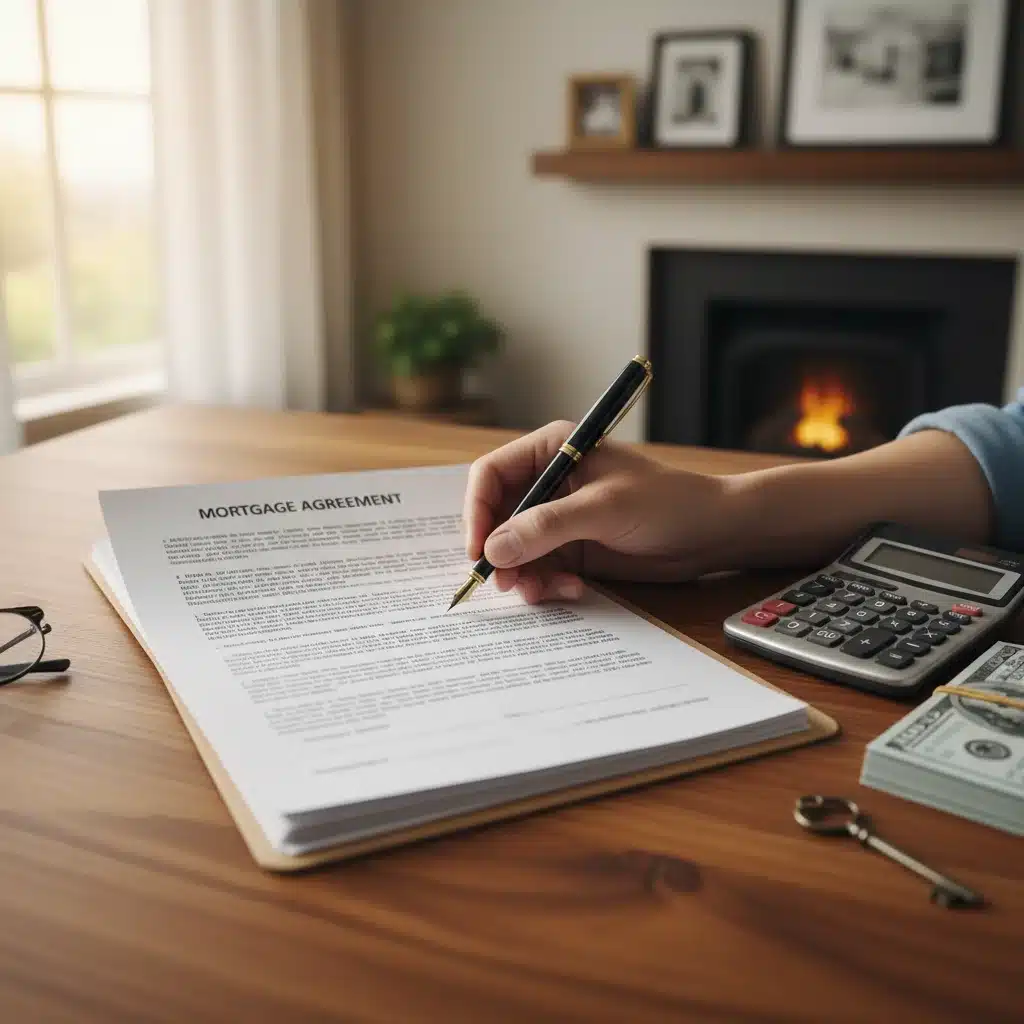
At the closing appointment, you’ll sign a stack of legal documents, including the promissory note (your promise to repay the loan), the deed of trust or mortgage (the legal document that pledges the property as collateral), and the closing disclosure (itemizing all costs and credits). You’ll also typically pay your closing costs and any remaining portion of your down payment. Your real estate agent, attorney (if applicable), and a representative from the title company or escrow agent will be present to guide you through the process and answer any questions. Don’t hesitate to ask for clarification on anything you don’t understand.
Receiving Your Keys
Once all documents are signed and funds are disbursed, you’ll officially become the homeowner! You’ll receive the keys to your new home, marking the exciting beginning of your homeownership journey as a proud first home buyer.
Post-Closing Considerations for the New Homeowner
Buying the home is just the beginning. As a new homeowner, there are several things to consider after closing.
Setting Up Utilities and Services
Before moving in, ensure all utilities (electricity, water, gas, internet, trash) are transferred into your name or set up for the first time. Research local service providers and schedule installations as needed.
Home Maintenance and Repairs
Even a brand-new home requires regular maintenance. Familiarize yourself with your home’s systems and create a maintenance schedule. Budget for unexpected repairs and consider setting aside an emergency fund specifically for home-related issues. Learning basic DIY skills can save you money in the long run.
Homeowner’s Insurance
Your lender will require you to have homeowner’s insurance to protect your investment from perils like fire, theft, and natural disasters. Review your policy annually to ensure you have adequate coverage as your home’s value or your personal belongings change.
Understanding Property Taxes
Property taxes are an ongoing expense for homeowners. These are typically paid through your mortgage escrow account, but it’s essential to understand how they are calculated and when they are due. Tax assessments can change, so be aware of any potential increases.
Building Equity and Refinancing
As you pay down your mortgage and as property values appreciate, you’ll build equity in your home. This equity can be a valuable asset. Over time, you might consider refinancing your mortgage to secure a lower interest rate, change your loan term, or tap into your home’s equity.
Final Thoughts for the Aspiring First Home Buyer
Buying your first home buyer is a monumental achievement. It’s a journey that requires careful planning, patience, and a willingness to learn. While the process can seem overwhelming at times, remember that countless resources and professionals are available to guide you. By taking the time to understand each step, from financial preparation and mortgage options to property search and closing, you’ll be well-equipped to make sound decisions.
Embrace the challenges, celebrate the milestones, and look forward to creating lasting memories in your new home. This guide has provided you with a solid foundation, but always remember to seek personalized advice from real estate agents, mortgage lenders, and legal professionals who can tailor their expertise to your unique situation. Congratulations on taking this exciting step toward homeownership!