Master Your Money: Top 3 Finance Management Apps for 2026
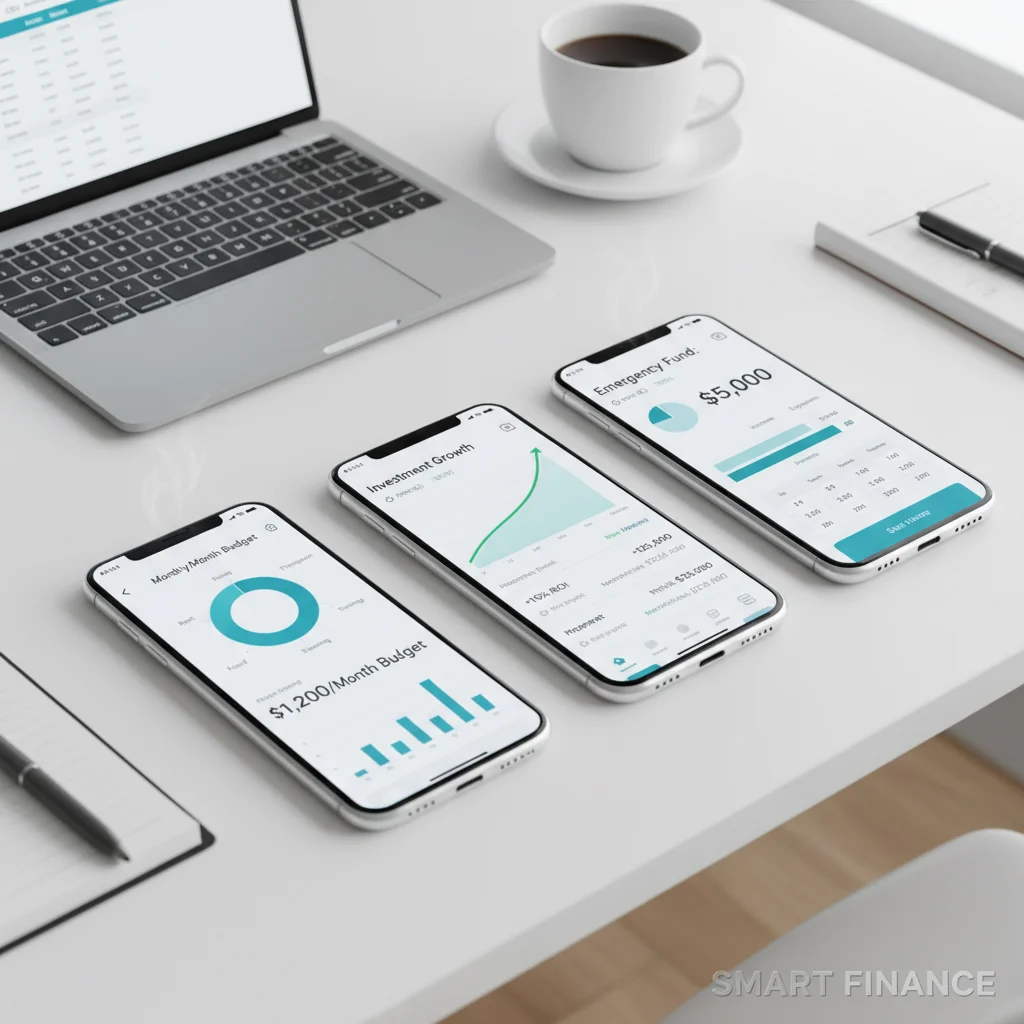
Master Your Money: Top 3 Finance Management Apps for 2026: How to Save 12% on Monthly Expenses with Smart Tracking
In today’s fast-paced world, managing personal finances can often feel like an uphill battle. With countless subscriptions, daily expenses, and long-term financial goals, keeping track of where your money goes is more challenging than ever. However, the advent of sophisticated finance management apps has revolutionized how we approach our financial health. These digital tools offer unparalleled insights into spending habits, budgeting capabilities, and the potential to significantly boost your savings. By leveraging the power of these applications, individuals can gain a clearer understanding of their financial landscape, identify areas for improvement, and ultimately, save a substantial amount on their monthly expenses.
The promise of saving up to 12% on monthly expenses isn’t just a catchy headline; it’s a realistic outcome for users who actively engage with these powerful platforms. The key lies in their ability to automate tracking, categorize transactions, and provide actionable insights that empower users to make smarter financial decisions. As we look towards 2026, the landscape of personal finance technology continues to evolve, bringing forth even more intuitive and feature-rich options. This article delves into the top three finance management apps that are set to dominate the market in 2026, offering detailed reviews, highlighting their unique features, and explaining how they can help you achieve your financial aspirations.
Whether you’re a seasoned budgeter looking for advanced analytics or a complete novice eager to take control of your spending, there’s an app out there for you. Our comprehensive guide will navigate you through the best choices, ensuring you select a tool that aligns perfectly with your financial needs and lifestyle. Get ready to transform your financial habits and embark on a journey towards greater financial stability and wealth accumulation. Let’s explore how these cutting-edge finance management apps can put you on the fast track to saving more and spending smarter.
The Evolution of Personal Finance Management: Why Apps Are Indispensable
Gone are the days of manually balancing checkbooks and meticulously logging every transaction in a spreadsheet. While these methods had their place, they were often time-consuming, prone to error, and lacked the dynamic insights that modern technology provides. The rise of smartphones and ubiquitous internet access paved the way for a new era of personal finance management. Today’s finance management apps are far more than just digital ledgers; they are sophisticated ecosystems designed to integrate seamlessly with your financial life.
These apps typically connect directly to your bank accounts, credit cards, and investment portfolios, automatically pulling in transaction data. This automation eliminates the tedious task of manual entry, freeing up your time and significantly reducing the likelihood of errors. Beyond mere tracking, these applications employ advanced algorithms to categorize your spending, identify trends, and even predict future financial behavior. This level of insight empowers users to understand not just *what* they are spending on, but *why* and *how* it impacts their overall financial health.
The benefits extend beyond simple expense tracking. Many finance management apps offer robust budgeting tools, allowing users to set spending limits for various categories and receive alerts when they approach or exceed those limits. This proactive approach helps prevent overspending and encourages mindful consumption. Furthermore, features like goal setting for savings, debt repayment strategies, and investment tracking provide a holistic view of one’s financial journey. In essence, these apps act as personal financial advisors, offering guidance and accountability right in the palm of your hand. Their indispensability in achieving financial wellness in 2026 cannot be overstated.
Understanding the Core Features of Effective Finance Management Apps
Before diving into our top picks for 2026, it’s crucial to understand what makes a finance management app truly effective. Not all apps are created equal, and the best ones share a common set of powerful features that elevate them above the rest. When evaluating potential tools, consider the following core functionalities:
- Automated Transaction Syncing: This is arguably the most critical feature. The ability to automatically connect to your bank accounts, credit cards, and other financial institutions ensures that all your transactions are captured without manual effort. This real-time data flow provides an accurate and up-to-date picture of your finances.
- Intuitive Budgeting Tools: Effective apps allow you to create customized budgets for different spending categories. They should offer visual representations of your budget progress, provide alerts for overspending, and allow for easy adjustments as your financial situation changes.
- Expense Tracking and Categorization: Beyond simply listing transactions, a good app automatically categorizes them (e.g., groceries, utilities, entertainment). This categorization is vital for understanding where your money is actually going and identifying areas where you can cut back.
- Goal Setting and Tracking: Whether it’s saving for a down payment, paying off debt, or building an emergency fund, the best apps help you set financial goals and visualize your progress towards achieving them. This feature provides motivation and keeps you accountable.
- Net Worth Tracking: A comprehensive view of your assets (savings, investments, property) minus your liabilities (debts, loans) provides your net worth. Tracking this over time is a powerful indicator of your financial health and progress.
- Bill Reminders and Payment Tracking: Missing a bill payment can lead to late fees and damage your credit score. Apps that offer bill reminders and allow you to track upcoming payments are invaluable for maintaining financial discipline.
- Reporting and Analytics: Visual reports, charts, and graphs that summarize your spending, saving, and investing patterns are crucial for gaining insights. These analytics help you identify trends, understand your financial habits, and make informed decisions.
- Security Features: Since you’re linking sensitive financial information, robust security measures are paramount. Look for apps with bank-level encryption, multi-factor authentication, and a strong privacy policy.
- User Interface and Experience: An app can have all the features in the world, but if it’s difficult or frustrating to use, you won’t stick with it. A clean, intuitive, and user-friendly interface is key to consistent engagement.
By prioritizing these core features, you can ensure that the finance management app you choose will be a powerful ally in your quest for financial mastery. Now, let’s explore our top three contenders for 2026.
App 1: FinWise – The Intelligent Budgeting Powerhouse
Overview and Key Features
FinWise is projected to be a frontrunner in the 2026 landscape of finance management apps, primarily due to its advanced AI-driven budgeting capabilities and user-centric design. This app goes beyond simple expense tracking by offering truly intelligent insights and personalized recommendations. Its core strength lies in its ability to learn from your spending patterns over time, automatically adjusting budget suggestions and identifying potential savings opportunities you might otherwise miss.
- AI-Powered Budgeting: FinWise utilizes machine learning to analyze your historical spending and income, creating highly personalized budget categories and limits. It can even predict future spending fluctuations based on recurring bills and past behavior.
- Smart Savings Suggestions: The app actively looks for ways to save you money. For instance, it might identify recurring subscriptions you rarely use and prompt you to cancel them, or suggest alternative, cheaper providers for services. This proactive approach is a significant factor in helping users save the projected 12% on monthly expenses.
- Real-Time Net Worth Tracking: FinWise provides a dynamic dashboard that aggregates all your financial accounts – checking, savings, credit cards, loans, and investments – to give you an accurate, real-time picture of your net worth. This holistic view is crucial for long-term financial planning.
- Debt Repayment Optimization: For those with multiple debts, FinWise offers tools to strategize the most efficient repayment plans, whether it’s through the debt snowball or debt avalanche method, helping you become debt-free faster.
- Investment Portfolio Monitoring: Users can link their investment accounts to track performance, analyze asset allocation, and stay informed about their portfolio’s health directly within the app.
- Robust Security Protocols: FinWise employs bank-level 256-bit encryption, multi-factor authentication, and biometric login options to ensure your financial data remains secure and private.
How FinWise Helps You Save 12%
The 12% savings potential with FinWise stems from its aggressive yet intelligent approach to identifying inefficiencies in your spending. Its AI doesn’t just tell you what you spent; it actively suggests where you can cut back without feeling deprived. For example, if it notices you consistently overspend on dining out, it might suggest a more budget-friendly meal-prep plan or highlight local restaurant deals. Its subscription management feature alone can uncover forgotten recurring charges that collectively add up to significant monthly savings. By constantly monitoring your finances and offering actionable advice, FinWise acts as a vigilant financial coach, guiding you towards more prudent spending habits and maximizing your savings potential. Its intuitive interface makes it easy to understand complex financial data, transforming daunting tasks into manageable steps towards financial freedom.
App 2: BudgetBuddy – The Collaborative Expense Tracker
Overview and Key Features
BudgetBuddy stands out among finance management apps for its exceptional focus on collaborative budgeting and shared financial goals. Perfect for couples, families, or roommates, this app simplifies the complexities of managing shared expenses and ensures everyone is on the same page financially. While it offers robust individual budgeting features, its strength truly shines in its ability to facilitate joint financial planning and tracking.

- Shared Budgeting and Expense Splitting: BudgetBuddy allows multiple users to link their accounts and collaboratively create and manage shared budgets. It features an intuitive expense-splitting tool, making it easy to track who paid for what and settle balances seamlessly.
- Customizable Categories and Tags: Users can create highly specific spending categories and use tags to further organize transactions, which is especially useful for tracking project-specific expenses or vacation budgets.
- Bill Organizer and Reminders: The app provides a centralized hub for all upcoming bills, allowing shared users to see due dates and assign responsibility for payments, minimizing the risk of missed payments and late fees.
- Financial Goal Collaboration: Couples or families can set joint savings goals (e.g., for a vacation, a new car, or a down payment) and track their collective progress, fostering teamwork and accountability.
- Visual Spending Reports: Clear and concise visual reports break down shared spending by category and individual contribution, providing transparency and helping to identify areas for collective savings.
- Cross-Platform Accessibility: BudgetBuddy is designed to be accessible across various devices, ensuring that all members of a shared financial plan can access and update information conveniently, whether on a smartphone, tablet, or desktop.
How BudgetBuddy Facilitates Savings of 12%
BudgetBuddy’s approach to helping users save 12% on monthly expenses is rooted in transparency and shared accountability. When multiple individuals are aware of their collective spending and have shared financial goals, they are inherently more likely to make prudent decisions. The app’s clear expense-splitting and reporting features eliminate ambiguity around shared costs, often reducing unnecessary friction and encouraging more thoughtful spending. For example, if a couple sees their combined dining-out expenses are consistently high, BudgetBuddy’s collaborative budgeting tools empower them to jointly decide on a more cost-effective strategy. By making shared finances visible and manageable for everyone involved, BudgetBuddy fosters a collective effort towards financial efficiency, leading to significant savings that might be harder to achieve individually. Its ability to simplify complex shared financial dynamics makes it an invaluable tool for households aiming to optimize their spending and boost their collective savings.
App 3: WealthTracker Pro – The Investment-Focused Optimizer
Overview and Key Features
WealthTracker Pro is tailored for individuals who are not only focused on day-to-day budgeting but also keenly interested in growing their wealth through informed investment decisions. While it includes robust budgeting and expense tracking capabilities, its true distinction among finance management apps lies in its advanced investment monitoring, portfolio analysis, and financial planning features. For those looking to integrate their spending habits with their long-term wealth accumulation strategies, WealthTracker Pro is an unparalleled choice.
- Comprehensive Investment Tracking: Link all your brokerage accounts, retirement funds, and even cryptocurrency wallets to get a consolidated view of your entire investment portfolio. Track performance, analyze asset allocation, and monitor individual holdings.
- Advanced Portfolio Analytics: The app provides sophisticated tools for analyzing your portfolio’s diversification, risk exposure, and historical performance. It offers insights into how different investments contribute to your overall financial goals.
- Financial Planning and Projection: WealthTracker Pro allows you to set long-term financial goals, such as retirement planning, buying a home, or funding education. It then provides projections based on your current savings and investment contributions, helping you adjust your strategy as needed.
- Tax-Loss Harvesting Suggestions: For eligible investment accounts, the app can identify opportunities for tax-loss harvesting, a strategy that can help reduce your tax liability by selling investments at a loss to offset capital gains.
- Integrated Budgeting with Investment Goals: Unlike many investment-focused apps that neglect daily spending, WealthTracker Pro seamlessly integrates budgeting with your investment goals. It helps you identify how much you can realistically save and invest each month to reach your targets.
- Market News and Insights: Stay informed with curated market news, expert analyses, and personalized insights relevant to your holdings and financial goals, empowering you to make timely and informed decisions.
How WealthTracker Pro Helps You Save 12% and Grow Wealth
WealthTracker Pro’s impact on saving 12% on monthly expenses comes from a different angle: optimizing your overall financial ecosystem. By providing a clear picture of your investments alongside your spending, it helps you understand the direct impact of your daily financial choices on your long-term wealth. For instance, seeing how an extra $100 saved and invested each month could translate into thousands more in your retirement fund can be a powerful motivator to cut back on discretionary spending. The app’s financial planning tools help users visualize the trade-offs between current consumption and future financial security. It helps users identify ‘leakage’ in their budget that could be better allocated to high-growth investment opportunities. Moreover, by providing insights into investment performance and potential tax efficiencies, WealthTracker Pro ensures that the money you *do* save is working as hard as possible for you. This holistic approach not only helps save money in the short term but also lays a robust foundation for significant wealth accumulation, making the 12% savings just one component of a larger financial optimization strategy. It empowers users to make conscious decisions that serve both their immediate budgetary needs and their ambitious long-term financial aspirations.
Implementing Your Chosen App for Maximum Savings
Selecting the right finance management app is only the first step. To truly unlock the potential of saving 12% or more on your monthly expenses, consistent engagement and strategic implementation are crucial. Here’s a step-by-step guide to maximizing the benefits of your chosen app:
- Connect All Accounts: Ensure all your bank accounts, credit cards, loans, and investment platforms are linked. This provides a comprehensive overview of your financial situation and allows the app to track all transactions automatically.
- Review and Categorize Transactions: While most apps offer automatic categorization, always review transactions to ensure accuracy. Correcting miscategorized items will improve the precision of your budget and spending reports.
- Set Realistic Budgets: Start by setting budgets based on your historical spending data (which the app will provide). Be realistic to avoid frustration, but also challenge yourself to identify areas for reduction.
- Establish Financial Goals: Clearly define your short-term (e.g., emergency fund) and long-term (e.g., retirement, down payment) financial goals within the app. This will provide motivation and a clear target for your savings efforts.
- Regularly Monitor Your Progress: Check your app daily or weekly. This consistent engagement helps you stay aware of your spending, identify potential budget overruns early, and make timely adjustments.
- Utilize Alerts and Notifications: Configure the app to send alerts for budget breaches, upcoming bills, or unusual spending patterns. These notifications act as valuable reminders and safeguards.
- Analyze Reports and Insights: Don’t just look at the numbers; understand what they mean. Use the app’s reporting features to identify spending habits, recognize trends, and pinpoint areas where you can cut costs or optimize investments.
- Adjust and Adapt: Your financial situation and goals will change. Be prepared to adjust your budgets, savings targets, and investment strategies within the app as life evolves. Flexibility is key to long-term success.
- Leverage Unique Features: Each app has its unique strengths (AI insights, collaborative tools, investment analytics). Make sure you are actively using the features that drew you to that particular app to get the most out of it.
By following these steps, you won’t just be using a finance management app; you’ll be actively managing your finances with precision and purpose. This proactive approach is what transforms potential savings into actual savings, putting you firmly on the path to financial freedom.
Overcoming Common Challenges with Finance Management Apps
While finance management apps offer immense benefits, users sometimes encounter challenges that can hinder their effectiveness. Being aware of these common hurdles and knowing how to overcome them can ensure a smoother and more successful financial journey.
Initial Setup and Data Synchronization Issues
One of the most common challenges is the initial setup, particularly linking all financial accounts. Users might face difficulties with specific bank connections, requiring manual intervention or waiting for app updates. To overcome this, be patient and persistent. Most apps have robust customer support; don’t hesitate to reach out for assistance. If a specific bank continually causes issues, consider whether the benefit of linking that account outweighs the hassle, or if manual entry for that one account is a viable workaround.
Overwhelm from Data and Notifications
With all your financial data in one place, it can sometimes feel overwhelming, especially if you receive frequent notifications. The key here is customization. Most finance management apps allow you to tailor notification settings. Prioritize alerts for critical events like large transactions or budget breaches, and reduce less important ones. Focus on the high-level reports and insights rather than getting bogged down in every minute detail. Remember, the goal is clarity, not data overload.
Maintaining Consistency and Engagement
The biggest challenge for many is maintaining consistent engagement with the app. It’s easy to get excited at the start, but then let usage dwindle. To combat this, integrate the app into your weekly routine. Schedule a specific time each week to review your spending, check your budget, and update your goals. Make it a habit, just like checking emails or social media. Setting small, achievable financial goals and celebrating milestones can also help maintain motivation.
Privacy and Security Concerns
Understandably, many users have concerns about the security of their sensitive financial information. While reputable finance management apps employ bank-level encryption and security protocols, it’s essential to do your due diligence. Read the app’s privacy policy, look for multi-factor authentication options, and use strong, unique passwords. Avoid sharing your login credentials with anyone. Remember that these apps typically have read-only access to your accounts, meaning they cannot initiate transactions or move your money. This significantly mitigates risk.
Finding the Right Balance Between Tracking and Living
Some users fear that rigorous budgeting will lead to a restrictive lifestyle. The goal of using a finance management app is not to eliminate all enjoyment, but to make conscious choices. It’s about finding a balance. Use the insights to identify areas where you can cut back without sacrificing your quality of life, and then allocate those savings towards things that truly matter to you, whether it’s a vacation, a hobby, or long-term investments. The app is a tool to empower your choices, not to dictate them.
By proactively addressing these challenges, you can ensure that your chosen finance management app remains a powerful and effective tool in your arsenal for achieving financial success and saving that crucial 12% on monthly expenses.
The Future of Finance Management Apps: What’s Next for 2026 and Beyond?
The landscape of finance management apps is dynamic, constantly evolving with technological advancements and changing consumer needs. As we look beyond 2026, several key trends are set to shape the future of these indispensable tools, promising even more sophisticated and personalized financial guidance.

Hyper-Personalization with Advanced AI
While current apps already leverage AI, the future will bring hyper-personalization. AI will not only suggest budget adjustments but also offer highly tailored financial advice based on your life stage, career path, risk tolerance, and even psychological spending triggers. Imagine an app that understands your impulse buying habits and offers timely, gentle nudges or alternative suggestions before you make an unnecessary purchase.
Seamless Integration with Other Lifestyle Apps
Expect deeper integration with other aspects of your digital life. Your finance management app might connect with your shopping lists to optimize grocery spending, with travel apps to find budget-friendly vacation options, or even with wellness apps to link financial stress to overall health. This interconnectedness will create a more holistic view of your well-being, with finances as a central pillar.
Predictive Financial Forecasting
Future apps will move beyond simply tracking and budgeting to more advanced predictive forecasting. They will be able to anticipate major financial events, such as potential income changes, large upcoming expenses, or even market shifts that could impact your investments. This proactive foresight will enable users to prepare and adapt their financial strategies well in advance, further solidifying the potential to save and grow wealth.
Enhanced Gamification and Behavioral Economics
To boost engagement and make financial management more enjoyable, gamification elements will become more prevalent. Earning rewards, achieving badges for financial milestones, or competing with friends (anonymously, of course) can make budgeting feel less like a chore and more like a game. Apps will also increasingly apply principles of behavioral economics to gently steer users towards better financial habits, making saving and investing feel more natural and less forced.
Voice-Activated Financial Management
The convenience of voice commands will extend to financial management. Imagine asking your app, "How much did I spend on dining out last month?" or "Transfer $50 to my savings goal," and having it executed instantly. This hands-free interaction will make managing money even more accessible and integrated into daily life.
Robo-Advisory and Micro-Investing Evolution
The line between finance management apps and robo-advisors will blur further. Apps will offer more sophisticated micro-investing opportunities, allowing users to invest spare change or small, regular amounts automatically. Integrated robo-advisory features will provide automated investment management, rebalancing portfolios, and optimizing asset allocation without requiring extensive financial knowledge.
These future trends highlight a movement towards even smarter, more integrated, and user-friendly financial tools. The goal remains the same: to empower individuals to achieve financial freedom and maximize their savings, but the methods will become increasingly intuitive and powerful. Embracing these advancements will be crucial for anyone serious about mastering their money in the years to come.
Conclusion: Your Path to Financial Freedom Starts Here
The journey to financial freedom might seem daunting, but with the right tools, it’s an achievable reality. As we’ve explored, the top finance management apps for 2026 – FinWise, BudgetBuddy, and WealthTracker Pro – offer a diverse range of features designed to cater to different financial needs and aspirations. Whether you prioritize AI-driven insights, collaborative budgeting, or advanced investment optimization, there’s an app perfectly suited to help you take control of your money.
The promise of saving up to 12% on monthly expenses is not just a theoretical figure; it’s a tangible benefit derived from the consistent application of these powerful tools. By offering automated tracking, intelligent categorization, personalized budgeting, and actionable insights, these apps empower you to make informed decisions, identify wasteful spending, and redirect funds towards your financial goals. They transform the often-complex world of personal finance into a manageable and even enjoyable experience.
Remember, the effectiveness of any finance management app ultimately depends on your commitment to using it. Consistent engagement, regular review of your finances, and a willingness to adapt your spending habits are the true drivers of success. By integrating one of these top-tier apps into your daily routine, you’re not just downloading a piece of software; you’re investing in your financial future. You’re giving yourself the power to understand your money, make it work harder for you, and ultimately, achieve the financial stability and wealth you desire.
Don’t let another month go by without a clear understanding of your financial landscape. Choose the finance management app that resonates most with your goals, commit to its use, and embark on a rewarding journey towards greater financial control and prosperity. The tools are at your fingertips; it’s time to seize the opportunity and master your money in 2026 and beyond.