Top 7 Fitness Apps to Track Progress in 2026: Achieve Goals Faster
The 7 Best Fitness Apps to Track Your Progress in 2026: Achieving Your Goals Faster
In an era where technology seamlessly integrates into every aspect of our lives, health and fitness are no exceptions. The landscape of wellness is continuously evolving, and by 2026, fitness apps have become indispensable tools for anyone serious about achieving their health goals. Gone are the days of handwritten workout logs and guesswork; today’s top fitness apps offer sophisticated tracking, personalized coaching, and community support right at your fingertips. Whether you’re a seasoned athlete or just beginning your wellness journey, leveraging the power of these digital companions can significantly accelerate your progress and keep you motivated. This comprehensive guide will delve into the seven best fitness apps to track your progress in 2026, helping you navigate the myriad of options and choose the perfect fit for your aspirations.
The quest for optimal health often feels like a marathon, not a sprint. It requires consistency, dedication, and, most importantly, the ability to monitor your efforts and adapt your strategies. This is precisely where the best fitness apps shine. They transform abstract goals into measurable milestones, providing real-time feedback and insightful analytics that empower you to make informed decisions about your workouts, nutrition, and overall lifestyle. As we look ahead to 2026, the technology embedded within these applications has reached new heights, offering predictive analytics, AI-driven personalized plans, and seamless integration with a multitude of wearable devices. Choosing the right app can be the difference between stagnating and soaring towards your fitness objectives.
Why Smart Tracking is Essential for Your Fitness Journey
Before we dive into the specifics of each app, let’s understand why smart tracking is more crucial than ever for your fitness journey. The human body is a complex system, and its response to exercise and diet is highly individual. What works for one person might not work for another. Traditional methods of tracking, while foundational, often lack the granularity and analytical power to truly optimize your routine. This is where modern fitness apps provide an unparalleled advantage. They collect vast amounts of data – from heart rate variability and sleep patterns to workout intensity and nutritional intake – and process it into actionable insights.
Effective tracking allows you to identify trends, pinpoint areas for improvement, and celebrate successes. Imagine being able to see a clear graph of your strength gains over months, or how your running pace has improved week after week. This visual and data-driven feedback is incredibly motivating and helps reinforce positive habits. Furthermore, many of these apps utilize advanced algorithms to detect plateaus and suggest modifications to your routine, ensuring that your body continues to be challenged and adapts positively. Without intelligent tracking, you might be working hard, but not necessarily working smart. The best fitness apps provide the intelligence needed to make every drop of sweat count, directly contributing to your ability to track your fitness apps progress effectively.
The Evolution of Fitness Technology: What to Expect in 2026
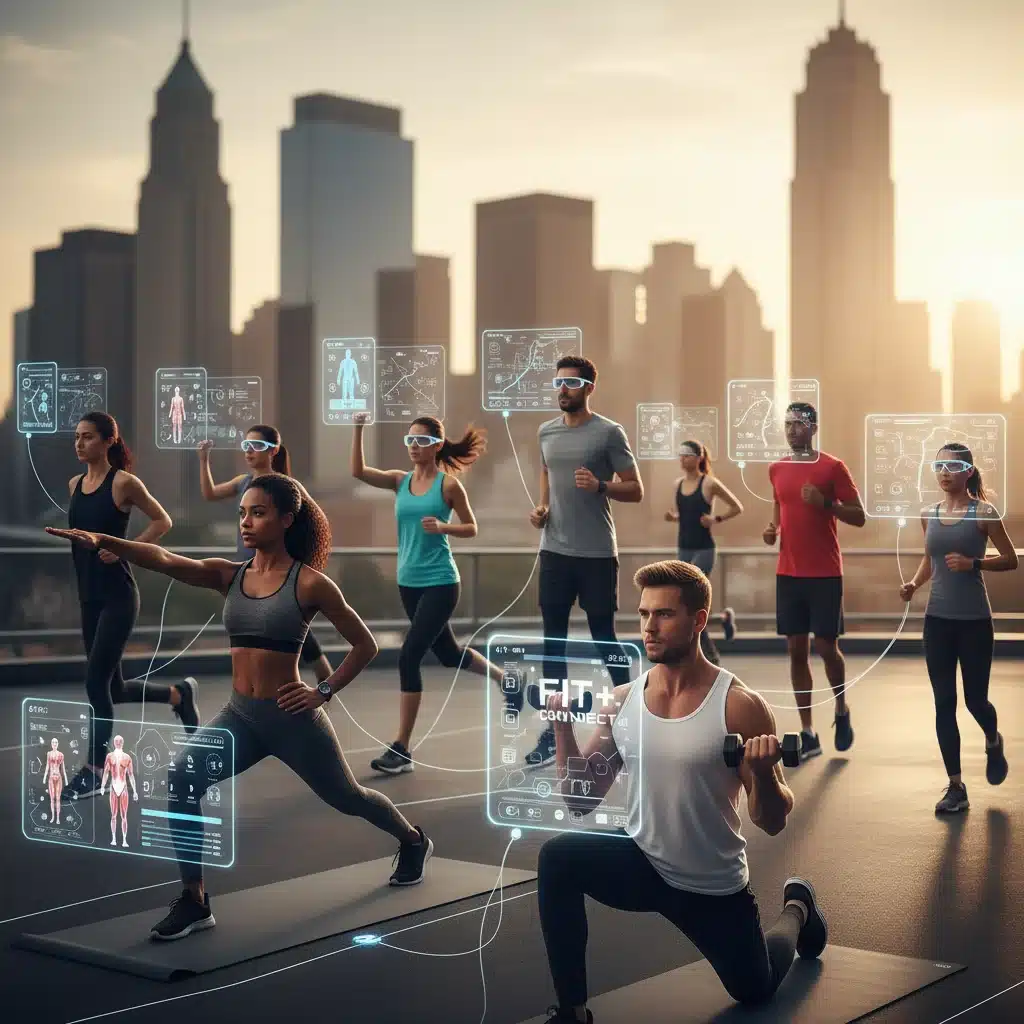
The technological advancements in fitness are staggering. By 2026, we are seeing a convergence of AI, machine learning, and biometric data to create truly personalized and adaptive fitness experiences. Wearable technology, once a niche market, is now mainstream, offering continuous monitoring of vital signs, activity levels, and sleep quality. These devices feed crucial data directly into your chosen fitness apps, creating a holistic view of your health. The integration is seamless, making the process of tracking almost passive, yet incredibly insightful.
Moreover, virtual reality (VR) and augmented reality (AR) are beginning to play a more significant role, offering immersive workout experiences that transcend the traditional gym setting. Imagine cycling through a virtual mountain range or having an AR overlay guide you through complex yoga poses in your living room. The best fitness apps are leveraging these technologies to enhance engagement and provide novel ways to stay active. Furthermore, personalized nutrition advice, once the domain of expensive dieticians, is now democratized through AI-powered meal planners that adapt to your dietary preferences, allergies, and fitness goals. The future of fitness is here, and it’s smarter, more accessible, and more personalized than ever before.
Criteria for Selecting the Best Fitness Apps
With so many options available, how do you choose the best fitness apps for your needs? Our selection process for the top 7 apps in 2026 was based on several key criteria:
- Comprehensive Tracking Capabilities: The app must offer robust tracking for various metrics, including workouts (strength, cardio, flexibility), nutrition, sleep, and overall activity.
- Personalization and Adaptability: AI-driven algorithms that create and adjust workout plans, meal suggestions, and recovery protocols based on individual progress and performance.
- User Interface and Experience (UI/UX): An intuitive, easy-to-navigate interface that makes tracking enjoyable and accessible, not a chore.
- Integration with Wearables and Other Platforms: Seamless connectivity with smartwatches, fitness trackers, smart scales, and other health apps.
- Community and Social Features: The ability to connect with friends, join challenges, and receive support from a community can significantly boost motivation.
- Data Visualization and Reporting: Clear, insightful graphs and reports that help users understand their progress and identify areas for improvement.
- Coaching and Guidance: Access to virtual coaches, guided workouts, and educational content to ensure proper form and maximize results.
- Innovation and Future-Proofing: Apps that are actively developing new features, integrating emerging technologies, and staying ahead of fitness trends.
By applying these rigorous criteria, we have identified a select group of fitness apps that stand out in 2026, each offering unique strengths to help you effectively track your fitness apps progress.
The Top 7 Fitness Apps to Track Your Progress in 2026
1. MyFitnessPal (Enhanced Edition)
MyFitnessPal has long been a titan in the nutrition tracking space, and its 2026 iteration has expanded significantly to become a holistic fitness companion. While its core strength remains its unparalleled food database and calorie tracking capabilities, the enhanced edition now offers more sophisticated workout logging, integrating seamlessly with popular workout routines and providing AI-driven macro adjustments based on your activity levels. Its new predictive analytics feature can even suggest optimal meal timings to maximize energy and recovery, making it a powerful tool to track your fitness apps progress.
- Key Features: Extensive food database, barcode scanner, AI-powered macro coaching, recipe discovery, workout logging, progress charts, community forums.
- Best For: Individuals focused on nutrition, weight management, and understanding the caloric impact of their workouts.
- Why it’s on the list: Its robust nutrition tracking combined with improved workout integration offers a complete picture of energy intake and expenditure, crucial for sustainable progress.
2. Peloton App (Beyond the Bike)
While synonymous with its high-end bikes and treadmills, the Peloton App in 2026 is a standalone powerhouse for diverse workouts. It offers thousands of live and on-demand classes across various disciplines, including strength training, yoga, meditation, outdoor running, and bootcamps, all led by world-class instructors. The app’s tracking capabilities have been significantly upgraded, allowing users to monitor their performance metrics across all workout types, visualize personal records, and receive personalized class recommendations. It’s an immersive experience that keeps motivation high.
- Key Features: Vast library of classes, live sessions, personalized recommendations, detailed performance metrics, progressive programs, integration with Apple Health/Google Fit.
- Best For: Users seeking a wide variety of guided workouts, high-energy instruction, and a strong sense of community.
- Why it’s on the list: Its unparalleled content library and engaging instructional style make consistent exercise enjoyable and its tracking features ensure you see your fitness apps progress.
3. Whoop (The Recovery King)
Whoop isn’t just a fitness tracker; it’s a physiological monitoring system that provides 24/7 insights into your body’s recovery, sleep, and strain. By 2026, Whoop’s algorithms are even more refined, offering hyper-personalized recommendations for optimizing your daily activities and ensuring you don’t overtrain or under-recover. It tracks heart rate variability (HRV), resting heart rate, sleep stages, and respiratory rate, presenting this complex data in an easy-to-understand format. For serious athletes and anyone looking to optimize performance and health, Whoop is an invaluable tool for tracking progress.
- Key Features: Continuous physiological monitoring, recovery score, sleep coaching, strain tracking, journal feature for lifestyle impact, activity auto-detection.
- Best For: Athletes, fitness enthusiasts, and individuals prioritizing recovery, sleep optimization, and understanding their body’s readiness for strain.
- Why it’s on the list: Its focus on recovery and deep physiological insights provides a unique and crucial dimension to tracking fitness apps progress that other apps often overlook.
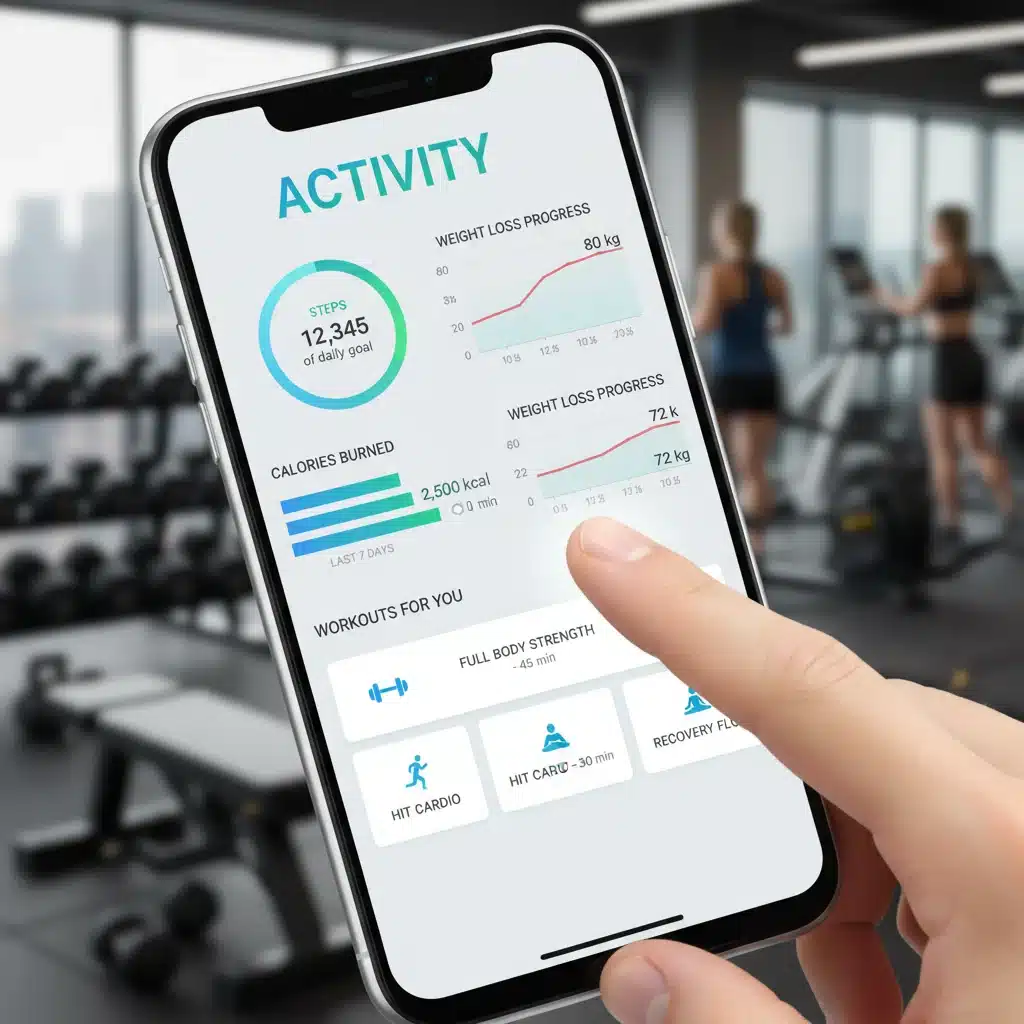
4. Strava (The Social Athlete’s Hub)
Strava has long been the go-to app for runners and cyclists, and in 2026, it continues to innovate as a social fitness platform. Beyond GPS tracking for activities, Strava’s enhanced features include advanced segment analysis, allowing users to compare their performance against others on specific routes and segments. Its new ‘Adaptive Training Plans’ leverage AI to adjust your running or cycling schedule based on your actual performance and recovery data, pulling from integrated wearables. The robust social feed and clubs foster a strong sense of community and friendly competition, making it motivating to track your fitness apps progress.
- Key Features: GPS tracking for running/cycling, segment leaderboards, adaptive training plans, social feed, clubs, beacon safety feature, gear tracking.
- Best For: Runners, cyclists, and outdoor enthusiasts who thrive on competition, community, and detailed performance analytics.
- Why it’s on the list: Its unique blend of social interaction, competitive features, and precise outdoor activity tracking makes it a powerful motivator for consistent performance.
5. Future (AI-Powered Personal Coaching)
Future stands out by combining the best of human coaching with cutting-edge AI. By 2026, Future offers a truly personalized experience where you are paired with a real human coach who designs custom workout plans tailored to your goals, equipment, and schedule. The AI component assists the coach by analyzing your performance data, suggesting optimal adjustments, and providing real-time feedback during your workouts via audio cues. This hybrid approach ensures accountability and expert guidance, making it one of the most effective ways to track your fitness apps progress with a human touch.
- Key Features: 1:1 human coaching, AI-optimized custom workout plans, video demonstrations, performance tracking, direct messaging with coach, Apple Watch integration.
- Best For: Individuals who benefit from personalized guidance, accountability, and a premium coaching experience.
- Why it’s on the list: It bridges the gap between traditional personal training and digital convenience, offering highly effective and personalized programming.
6. Apple Fitness+ (Integrated Ecosystem)
For those deeply embedded in the Apple ecosystem, Apple Fitness+ in 2026 offers an even more seamless and integrated experience. It provides a vast library of studio-style workouts across 12 different types, from HIIT and yoga to strength and dance, all led by diverse trainers. What makes it exceptional for tracking progress is its deep integration with Apple Watch, displaying real-time metrics (heart rate, calories burned) on your screen during workouts. The ‘Time to Walk’ and ‘Time to Run’ features offer unique audio experiences with celebrity guests, adding an engaging dimension to outdoor activities. Its ‘SharePlay’ feature allows you to work out with friends, fostering a sense of shared journey.
- Key Features: Huge variety of guided workouts, seamless Apple Watch integration, real-time metrics, ‘Time to Walk/Run’ audio experiences, SharePlay group workouts, personalized recommendations.
- Best For: Apple device users seeking a wide range of guided workouts with deep ecosystem integration and real-time performance feedback.
- Why it’s on the list: Its unparalleled integration with Apple hardware makes tracking effortless and motivating, providing comprehensive data to observe your fitness apps progress.
7. Fitbod (AI-Powered Strength Training)
Fitbod is the ultimate AI-powered app for strength training, and by 2026, its algorithms have become incredibly sophisticated. It intelligently generates personalized workout routines based on your past performance, available equipment, and muscle recovery. The app tracks your reps, sets, and weight, learning your strength levels and adapting future workouts to ensure progressive overload – the key to muscle growth and strength gains. It prevents overtraining specific muscle groups and suggests new exercises to keep your routine fresh and challenging. If your goal is to build strength and muscle, Fitbod is an indispensable tool for tracking your fitness apps progress.
- Key Features: AI-generated personalized strength workouts, progressive overload tracking, exercise video demonstrations, muscle recovery insights, equipment customization, workout history.
- Best For: Individuals focused on strength training, muscle building, and progressive overload, who need smart workout planning.
- Why it’s on the list: Its intelligent approach to strength training programming ensures optimal gains and prevents plateaus, making it highly effective for targeted progress.
Maximizing Your Fitness Apps Progress: Tips and Tricks
Simply downloading an app isn’t enough; to truly leverage the power of these tools and maximize your fitness apps progress, consider these tips:
- Be Consistent with Data Entry: The more accurate data you feed the app (whether manual or automatic), the better and more personalized its insights will be.
- Connect All Your Devices: Ensure your fitness tracker, smartwatch, smart scale, and any other relevant devices are synced with your chosen app for a holistic view of your health.
- Set Realistic, Measurable Goals: Use the app’s goal-setting features to define clear objectives, whether it’s running a certain distance, lifting a specific weight, or losing a few pounds.
- Utilize Coaching and Personalized Plans: Don’t just follow generic workouts. Embrace the AI-driven or human-coached plans that adapt to your unique needs.
- Engage with the Community: If your app has social features, use them! Sharing progress, joining challenges, and getting support from others can be a huge motivator.
- Review Your Progress Regularly: Take time each week or month to review the analytics and reports the app provides. Understand what’s working and what needs adjustment.
- Listen to Your Body: While apps provide data, your body’s signals are equally important. Use the app’s insights to complement, not override, your intuition about rest and effort.
- Stay Updated: App developers frequently release updates with new features and improvements. Keep your apps updated to benefit from the latest innovations.
The Future of Tracking Your Fitness Apps Progress
As we move further into the decade, the integration of fitness apps with other aspects of our lives will only deepen. Expect to see more seamless connections with smart home devices, personalized health recommendations based on genetic data, and even more sophisticated predictive modeling for injury prevention and performance optimization. The line between physical and digital wellness will continue to blur, creating an ecosystem where staying healthy is intuitive, enjoyable, and deeply integrated into our daily routines. The best fitness apps will not just track your journey; they will actively guide and shape it, making achieving your health and fitness goals an even more accessible and rewarding experience.
Personalized Wellness Ecosystems
The trend in 2026 is moving towards highly personalized wellness ecosystems. Instead of standalone apps, we’re seeing platforms that integrate not just workouts and nutrition, but also mental health, sleep hygiene, and even environmental factors. Imagine an app that suggests a specific type of meditation based on your stress levels detected by your wearable, or adjusts your workout intensity based on the air quality outside. These holistic approaches will ensure that your fitness apps progress is viewed within the broader context of your overall well-being, leading to more sustainable and impactful results.
AI as Your Personal Health Consultant
Artificial intelligence is rapidly evolving beyond simple recommendation engines. By 2026, AI in fitness apps will act more like a personal health consultant. It will analyze your long-term data, identify potential health risks, and suggest preventative measures. It could even predict when you might be prone to injury based on your training load and recovery, offering proactive advice to modify your routine. This level of foresight and personalized guidance will make achieving complex health goals not just possible, but highly probable.
Gamification and Immersive Experiences
To combat workout fatigue and maintain motivation, gamification and immersive experiences will become even more prevalent. Leaderboards, badges, virtual rewards, and interactive challenges will be standard features, making exercise feel less like a chore and more like a game. VR and AR integrations will transport users to virtual environments, making home workouts feel like an adventure. These engaging elements are crucial for long-term adherence and for keeping users excited about tracking their fitness apps progress.
Conclusion: Empowering Your Journey with the Right Tools
The year 2026 marks a pivotal moment in the evolution of personal fitness. The seven best fitness apps highlighted in this guide represent the pinnacle of current technology, offering unparalleled tools to track your progress, personalize your routines, and keep you motivated. Whether your goal is to lose weight, build muscle, improve endurance, or simply lead a healthier life, there’s an app perfectly suited to empower your journey.
By thoughtfully choosing an app that aligns with your specific needs and committing to consistent use, you’re not just downloading software; you’re investing in a smarter, more efficient path to achieving your health and fitness aspirations. Embrace the power of these digital companions, and watch as your fitness apps progress transforms from a hopeful desire into a measurable, celebrated reality. The future of fitness is here, and it’s waiting for you to tap in.