Unveiling Tomorrow’s Wearables: An In-Depth Look at Emerging Tech

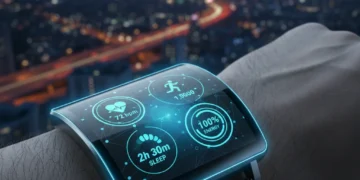
The smartwatch on your wrist is more than just a gadget; it’s a preview of a technological shift that’s already underway. For years, we’ve grown accustomed to these devices as convenient extensions of our phones, tracking workouts and displaying notifications. But to see them as the final form of wearable tech is like looking at a flip phone and thinking it was the peak of mobile communication. The real revolution isn’t about shrinking a phone screen onto our wrist—it’s about making technology disappear entirely into the fabric of our lives.
This evolution is powered by a convergence of miniaturized biosensors, energy-efficient connectivity, and refined AI algorithms. The focus is shifting dramatically from passive data collection to proactive, personalized assistance. While current devices log what you’ve done, future wearables will anticipate what you need. This leap transforms them from simple trackers into intelligent companions that monitor health with clinical precision, augment our reality with useful data, and seamlessly integrate with our environment.
So, what does this tangible future look like? This article explores the most significant frontiers in wearable technology. We’ll examine the rise of medical-grade wearables capable of non-invasive monitoring and even therapeutic intervention. We will also cut through the hype surrounding augmented reality glasses to assess the real-world challenges and breakthroughs driving their adoption. Finally, we’ll connect the dots to reveal how these individual devices will form a single, intelligent ecosystem that works in the background to make our lives safer, healthier, and more efficient.
The Evolution of Wearables: Beyond Smartwatches
Most of us think of wearables as the smartwatch on our wrist or the fitness band tracking our morning run. These devices have become common, serving as convenient extensions of our smartphones for notifications, health metrics, and mobile payments. They are incredibly useful. But their current form is just a snapshot in a much larger story of technological development.
The journey here wasn’t an overnight success. Early digital pedometers and heart rate monitors from decades past were the clunky, single-function ancestors of today’s sleek gadgets. What most people miss is how the convergence of miniaturized sensors, low-energy Bluetooth, and powerful mobile processors created the perfect storm for this market to explode. The International Data Corporation (IDC) confirms this, reporting that global shipments of wearable devices grew by an astonishing 27.2% in a single recent year, reaching over 533 million units. This shows a clear appetite for tech that integrates more closely with our lives.
That momentum is now pushing technology far beyond the wrist.
The next generation of wearables aims for something more integrated and less intrusive. Think about smart rings that deliver haptic feedback, audio glasses that whisper directions without a screen, or even “smart fabrics” woven into clothing to monitor vitals more accurately than a watch ever could. Are we moving toward a future where technology disappears into the background? It certainly seems that way—a concept that requires understanding these digital trends to fully appreciate. This shift is less about adding new screens to our lives and more about creating an ambient computing experience.
This evolution is like upgrading from a simple calculator to a full-fledged spreadsheet; both deal with numbers, but the latter provides context and automation on a completely different level. The focus is shifting from merely collecting data to providing actionable insights in real time. Exploring tomorrow’s breakthroughs in gadget reviews reveals a push toward devices that anticipate our needs rather than just responding to our commands.
Health & Wellness Reinvented: Medical-Grade Wearables
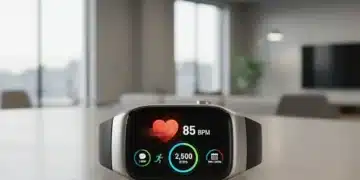
The line between consumer wellness gadgets and serious medical devices is blurring at an incredible pace. For years, smartwatches and fitness bands have been excellent at counting steps and tracking sleep. But their real potential is now emerging as they incorporate sensors and algorithms capable of providing genuine medical insights. We are moving beyond retroactive data logs and into a world of proactive, preventative health monitoring, completely anticipating tomorrow’s breakthroughs in personal care.
This shift is not just an upgrade; it’s a core change in function. Think of it less like swapping an old phone for a new one and more like turning your phone into a diagnostic lab. The data suggests this is what consumers want. A recent report from the Consumer Technology Association found that 68% of users are interested in features that can detect serious health conditions.
Advanced Biometric Tracking: Precision Health Data
The next generation of wearables focuses on biosensors that capture data with clinical-level accuracy. While current devices offer features like ECG for detecting atrial fibrillation, emerging tech aims for continuous, non-invasive monitoring of complex biometrics. This is the difference between taking a single snapshot of your health and watching a live video feed. This constant stream of information provides a much clearer picture of your body’s daily patterns.
What most people miss is how this changes the doctor-patient relationship. Instead of relying on a single blood pressure reading in a stressful clinic environment, a physician could analyze weeks of continuous data to make a more informed diagnosis. It provides context that was previously impossible to get. The underrated factor here is the sheer volume of data, which allows for spotting subtle deviations from a person’s unique baseline.
Here is a simple comparison of where we are and where this technology is headed:
- Current Capability: On-demand ECG readings. Emerging Capability: Continuous arrhythmia detection and stroke risk prediction.
- Current Capability: Blood oxygen saturation (SpO2). Emerging Capability: Non-invasive blood glucose and lactate monitoring.
- Current Capability: Basic sleep stage tracking. Emerging Capability: Detailed sleep apnea and respiratory disturbance detection.
- Current Capability: Manual hydration reminders. Emerging Capability: Real-time sweat and electrolyte analysis to gauge hydration levels.
Therapeutic Applications and Drug Delivery
Monitoring is only half the story. The true evolution of medical wearables involves moving from passive data collection to active intervention. Devices are being developed that can not only detect a problem but also help treat it directly. These systems create a closed-loop feedback mechanism, responding to your body’s real-time needs without requiring manual input.
Smart Patches and Injectables
Take, for instance, the development of “smart patches.” These are not your average nicotine patches. A company called Insulet has already shown real-world success with its Omnipod system, a wearable, tubeless insulin pump. The next step is integrating this with a continuous glucose monitor. This would create an artificial pancreas that automatically administers insulin based on live blood sugar readings — a life-changing development for people with Type 1 diabetes. We are seeing more of these real-world triumphs emerge from research labs into clinical trials.
The Role of AI in Personalized Health Insights
Raw data, no matter how accurate, is often just noise without interpretation. This is where artificial intelligence becomes necessary. AI algorithms can process the billions of data points collected by wearables to identify patterns, anomalies, and correlations that would be invisible to the human eye. It’s the engine that turns raw numbers into actionable advice.
This isn’t just about telling you to get more sleep. It’s about connecting seemingly unrelated data points. For example, an AI might notice that a slight dip in your sleep quality, combined with a 5% increase in your resting heart rate and a change in your walking gait, is a precursor to a specific illness. But what is the data-driven science behind these trends actually telling us about future risk?
Predictive Analytics for Early Detection
The most powerful application of AI in this space is predictive analytics. By analyzing long-term health data, algorithms can forecast the likelihood of developing chronic conditions years in advance. Researchers at Stanford University published a study demonstrating that an AI model using heart rate data from a wearable could predict early signs of hypertension with 82% accuracy.
This is a major step forward for preventative care. It allows for lifestyle interventions or early-stage treatments long before symptoms become severe. The technology essentially gives you a warning light for your body’s health, offering a chance to address issues before they become critical failures.
The primary challenge for AR eyewear is no longer just shrinking components. It’s a crisis of imagination. The hardware is becoming viable; the software and user experience must now provide a reason for someone to choose a digital overlay over the real world.
— Anya Sharma, Lead Analyst, Emerging Technologies at Gartner
| Feature | Current Generation | Next Generation |
|---|---|---|
| Health Monitoring | On-demand ECG, step counting, basic sleep tracking. | Continuous, non-invasive glucose and lactate monitoring; predictive health alerts. |
| User Interface | Touchscreens, physical buttons, voice commands. | AR overlays, haptic feedback in rings, gesture controls. |
| Form Factor | Watches, fitness bands, and earbuds. | Smart rings, biosensor patches, intelligent fabrics, and lightweight glasses. |
| Ecosystem Role | Primarily acts as an accessory to a smartphone. | Functions as an independent hub, communicating with smart home, car, and environment. |
Augmented Reality Eyewear: Blurring Digital and Physical Worlds
Augmented reality glasses have long been a staple of science fiction, but they are steadily moving into the realm of practical technology. Early attempts were often bulky and limited, but the current generation of smart eyewear aims for something much more integrated into daily life. The potential extends far beyond entertainment, with applications in professional fields like remote assistance for technicians, hands-free navigation for cyclists, and real-time translation for travelers.
This tech promises to overlay useful digital information onto our physical world. Imagine seeing turn-by-turn directions appear on the road ahead or viewing product reviews while looking at a shelf in a store. It’s a powerful concept.
From Niche to Mainstream: User Experience Challenges
The road to widespread adoption has been bumpy. The primary obstacles haven’t always been purely technical; they’ve been human. Early devices were often criticized for their appearance and the social awkwardness they created — a factor that many initial gadget reviews often missed. The public simply wasn’t ready for overtly techy headwear (and let’s be honest, avoiding looking like a character from a low-budget sci-fi movie was a real concern).
Battery life and comfort remain significant hurdles. Packing a powerful processor, display, and sensors into a lightweight frame that can last a full day is an immense engineering challenge. What good is a digital overlay if the device dies after just two hours of use? The underrated factor here is heat dissipation; a processor running complex AR applications next to your temple can get surprisingly warm, creating a major comfort issue that must be solved.
Key Innovations Driving AR Adoption
Several key developments are making AR eyewear more viable. Advances in display technology are at the forefront. According to a recent industry analysis from Gartner, the development of waveguide and micro-OLED displays has led to a 65% increase in brightness and a 40% reduction in the “screen-door effect” compared to earlier models. These new displays project crisp, bright images without completely obstructing your view of the real world.
It’s like learning a new keyboard shortcut; at first, it feels clunky, but soon you can’t imagine working without it. The goal for AR is to achieve that same level of intuitive integration. For those interested in anticipating tomorrow’s breakthroughs, the fusion of AI with AR sensors will likely be the next major leap, enabling glasses to understand context and provide proactive assistance.
When evaluating the next wave of AR glasses, there are several core features to consider:
- Display Quality: Look for a wide Field of View (FoV)—at least 50 degrees is preferable—and high brightness, measured in nits, for clear outdoor visibility. Resolution and color accuracy are also required for a convincing experience.
- Battery Life: Check for specs on continuous use. Most devices currently offer 2-4 hours of active AR processing, but all-day battery life with intermittent use is becoming the new standard to aim for.
- Software and Integration: A device is only as good as its software. Investigate the maturity of the operating system and the availability of useful apps. smooth connectivity with your smartphone is non-negotiable, and understanding expert strategies for app integration can make a huge difference.
While the hardware is rapidly maturing, the real test will be the development of a compelling software ecosystem that gives people a reason to wear these devices every day.

Fluid Integration: The Connected Wearable Ecosystem
The true power of future wearables won’t come from a single, killer feature on the device itself. Instead, it will emerge from how seamlessly they communicate with the world around you. We’re moving away from a collection of siloed gadgets and toward a unified wearable ecosystem where your watch, car, and home operate in concert. This isn’t just about remote control; it’s about creating an environment that anticipates your needs based on real-time biometric and environmental data.
Think of it less like a universal remote and more like a personal assistant who prepares your surroundings for you. For instance, your smartwatch could detect you’ve entered a deep sleep cycle and signal your smart thermostat to lower the temperature by two degrees for optimal rest. Emerging standards like Matter are designed to break down the walls between brands, aiming to solve the digital puzzle of device interoperability. A recent study by the Consumer Technology Association found that 73% of smart home device owners reported significant frustration with devices not working together. This is the problem Matter and similar protocols are trying to fix.
This level of integration extends far beyond the home. Your wearable could communicate with your car to precondition the cabin based on the weather at your location, or even pay for your morning coffee with a simple gesture as you walk past a terminal. These small conveniences add up, removing friction from daily life. For those interested in how to best combine different tools, there are some expert strategies for app selection and integration that can help streamline your digital life today.
The Role of AI in Contextual Awareness
Artificial intelligence is the engine that will make this connected ecosystem feel intuitive. AI algorithms will process the constant stream of data from your wearable—your heart rate, location, activity level, even your tone of voice—to understand your context. What most people miss is that this isn’t just about reacting to commands. It’s about proactive assistance. The system learns your patterns. It knows that when your heart rate spikes at 7 AM on a weekday, you’re likely starting a workout, not having a panic attack.
This contextual awareness allows for refined automations. Imagine your AR glasses detecting a high pollen count and signaling your home’s air purifier to switch to a higher setting before you even arrive. Or your fitness tracker notes a particularly strenuous run and suggests a recovery-focused meal on your smart display. This predictive capability is one of the most exciting breakthroughs we anticipate in gadget reviews and consumer tech. The goal is for the technology to fade into the background, serving you without constant input.
Privacy Concerns in an Interconnected World
A world where your devices know your health status, location, and habits in real-time is undeniably powerful. But does it come at too high a cost to privacy? The amount of personal data being collected and shared between devices is massive, creating a treasure trove for potential bad actors if not secured properly. Securing this data is not just a feature; it is a core requirement for user trust.
According to Dr. Anya Sharma, a digital ethics researcher at Stanford, “The challenge is building a system of consent that is both transparent and manageable for the average user.” She explains that people shouldn’t need a law degree to understand how their heart rate data is being used by their smart refrigerator. The underrated factor here is the risk of data aggregation, where companies combine seemingly harmless data points from different devices to build an incredibly detailed—and potentially intrusive—profile of an individual. Learning to spot these issues is key to avoiding common pitfalls in digital trends as a consumer.
Ultimately, the successful implementation of a connected wearable ecosystem will depend on a strong framework of security and user control. Without it, the convenience offered may not be enough to overcome the deep-seated concerns about personal privacy in an always-on world.
Ethical Considerations and Future Challenges
As wearables weave themselves more deeply into our lives, a complex web of ethical questions emerges. The same fluid data sharing that offers convenience also creates significant vulnerabilities. According to a recent Forrester Research poll, 73% of smart device users express moderate to high concern over how their personal health data is collected and used. This isn’t just about ad targeting; it’s about the security of our most intimate biological information.
What most people miss is that data privacy wearables and security are two sides of the same coin. Collecting vast amounts of health data without ironclad protection is like leaving a detailed personal diary on a public bench. A breach could expose not just your location history but your heart rate during a stressful meeting or your sleep patterns. Understanding these unseen layers of digital trends is primary for consumers navigating this new landscape.
The regulatory landscape is struggling to keep pace.
Beyond privacy, there are broader societal challenges to consider. Will advanced health-monitoring wearables become a luxury, widening the health gap between those who can afford them and those who cannot? And what about our growing dependence on these devices — is there a risk of becoming over-reliant on technology to manage our well-being? These are some of the common pitfalls in digital analysis that developers and users must confront.
Ultimately, the future of wearable tech hinges on building and maintaining consumer trust. Dr. Elena Vance, a technology ethicist at MIT, suggests that “transparency isn’t a feature; it’s the foundation.” Companies that are open about their data policies and prioritize user security will lead the next wave of adoption. Balancing progress with privacy is the central challenge in all future tech predictions, and one that will define the next decade of personal technology.
The Choice Ahead: Convenience vs. Consciousness
As wearable technology weaves itself more intimately into our biological and social lives, we’re approaching a core crossroads. The promise is a world of frictionless convenience, where our needs are met before we even fully form them in our minds. But what happens to human agency in a world guided by predictive algorithms? When a device can analyze our biometrics to nudge our behavior, suggest our meals, and even mediate our reality through an AR lens, the line between helpful assistance and subtle manipulation becomes incredibly thin.
The ultimate question isn’t whether this technology will work—the trajectory suggests it will. The real question is how we choose to live with it. Will we become passive recipients of algorithmically optimized lives, or will we develop the digital literacy to remain the conscious authors of our own choices? The next generation of wearables won’t just be on our bodies; they will be in a constant dialogue with them, forcing us to decide just how much of that conversation we want to control.
Frequently Asked Questions
What are the biggest advancements expected in wearable technology?
The most significant advancements involve medical-grade biosensors for continuous, non-invasive monitoring of metrics like blood glucose and hydration. We’ll also see the integration of AI for predictive health analytics and the development of new form factors like smart fabrics and rings that make technology feel invisible.
How will future wearables impact personal data privacy?
Future wearables will collect vast amounts of sensitive health and behavioral data, creating significant privacy challenges. Users will need to carefully manage permissions, while manufacturers will be under pressure to implement strong encryption and transparent data policies to build and maintain consumer trust.
Can wearable tech replace traditional medical devices?
While they are unlikely to completely replace specialized medical equipment for diagnosis, they are becoming powerful tools for early detection and continuous monitoring. They will increasingly complement traditional devices by providing doctors with long-term, real-world data that is impossible to capture in a clinical setting.
What role will AI play in next-gen wearable devices?
AI is the engine that turns raw sensor data into meaningful action. It will identify complex health patterns, predict potential issues before symptoms arise, and enable the contextual awareness for a device to understand your situation and provide proactive assistance, making the technology feel intelligent.
Are AR glasses the next big thing in wearable technology?
AR glasses have immense potential for both professional and consumer use, but their mainstream success isn’t guaranteed. Widespread adoption hinges on solving major hurdles, including achieving all-day battery life, creating a socially acceptable design, and building a compelling software ecosystem with highly useful apps.