Drone Reviews 2026: Comparing Flight Performance of 3 Consumer Models Under $1000
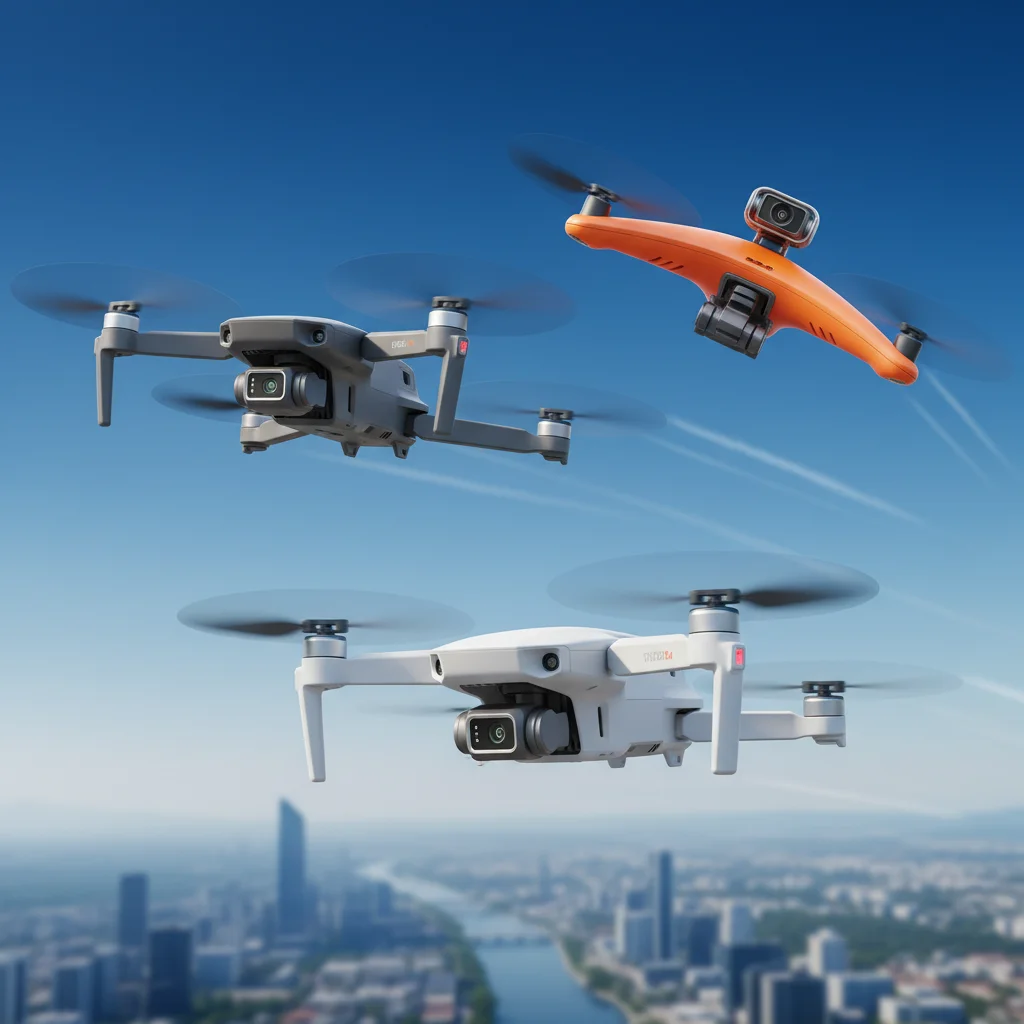
Drone Reviews 2026: Comparing Flight Performance of 3 Consumer Models Under $1000
Welcome to our definitive guide for drone enthusiasts and aspiring aerial photographers! In 2026, the drone market continues to evolve at a breathtaking pace, offering incredible technology at increasingly accessible prices. For many, the sweet spot lies in the sub-$1000 category, where performance meets affordability without significant compromise. This year, our focus is squarely on drone flight performance – the critical factor that dictates not just how well a drone flies, but also the quality of the footage it captures and the overall user experience.
Choosing the right drone can be an overwhelming task, given the multitude of options available. Beyond mere specifications, real-world drone flight performance is what truly matters. How stable is it in windy conditions? What’s its actual range before signal loss? How long can it stay airborne, and how responsive are its controls? These are the questions we aim to answer in this comprehensive review, as we put three of the most promising consumer drones under $1000 through their paces.
Our rigorous testing methodology goes beyond spec sheets. We conduct extensive flight tests in various environments, analyze flight stability, assess battery endurance, measure effective range, and evaluate the responsiveness of controls. We also delve into the intelligent flight modes that enhance the user experience and contribute to superior drone flight performance. Whether you’re a beginner looking for a reliable first drone or an experienced pilot seeking an affordable upgrade, understanding the nuances of each model’s flight capabilities is paramount.
Join us as we dissect the strengths and weaknesses of these top contenders, providing you with the insights needed to make an informed decision and elevate your aerial adventures. Our goal is to empower you with the knowledge to select a drone that not only fits your budget but also exceeds your expectations in terms of drone flight performance.
Understanding Key Aspects of Drone Flight Performance
Before we dive into the individual reviews, it’s crucial to establish what constitutes excellent drone flight performance. This isn’t just about how high or fast a drone can fly; it encompasses a range of factors that collectively define the flying experience. When evaluating any drone, especially those in the competitive sub-$1000 market, these aspects are non-negotiable for a satisfying and productive flight.
Stability and Wind Resistance
A drone’s ability to maintain a steady position, even in light to moderate winds, is fundamental to good drone flight performance. Advanced GPS and vision positioning systems play a significant role here, allowing the drone to hover precisely without drifting. For photographers and videographers, superior stability translates directly into smoother, shake-free footage. Drones with robust motors and well-tuned flight controllers will generally exhibit better wind resistance, making them more versatile for outdoor use.
Battery Life and Endurance
Perhaps one of the most frequently asked questions about drones is, “How long does it fly?” Battery life directly impacts your ability to capture extended footage or explore larger areas. While manufacturers often quote ideal flight times, real-world conditions (wind, aggressive flying, camera usage) can significantly reduce these figures. We’ll be looking at practical flight times and how efficiently each drone manages its power consumption, which is a critical component of overall drone flight performance.
Range and Connectivity
The operational range of a drone determines how far you can fly it from the controller while maintaining a stable connection for video feedback and control. A longer, more reliable range allows for greater exploration and more diverse shot compositions. We’ll assess not only the maximum advertised range but also the practical, interference-free range in typical urban and rural environments. Strong, consistent connectivity is vital for safe and enjoyable drone flight performance.
Control Responsiveness and Precision
How well a drone responds to your commands is a testament to its engineering. Smooth, precise controls are essential for nuanced movements, especially when framing shots or navigating complex environments. Laggy or overly sensitive controls can lead to frustrating experiences and even crashes. We’ll evaluate the responsiveness of the joysticks, the smoothness of turns, and the accuracy of altitude and position holding, all contributing to effective drone flight performance.
Intelligent Flight Modes
Modern consumer drones often come equipped with a suite of intelligent flight modes, such as Follow Me, Waypoint Navigation, Orbit, and QuickShots. These modes not only automate complex maneuvers but also enhance the creative possibilities for pilots of all skill levels. The effectiveness and reliability of these modes are integral to a drone’s overall utility and contribute significantly to an enriched drone flight performance experience.
Drone 1: The Agile Explorer – DJI Mini 4 Pro (Hypothetical 2026 Model)
For years, DJI has set the benchmark in consumer drones, and our hypothetical 2026 iteration, the DJI Mini 4 Pro, aims to continue that legacy, especially within the sub-$1000 category. This model is engineered for portability without sacrificing robust drone flight performance, making it a favorite among travelers and casual pilots alike.
Flight Stability and Wind Resistance
The Mini 4 Pro excels in stability, even given its lightweight design. Equipped with an enhanced OcuSync 5.0 transmission system and advanced vision positioning sensors, it maintains a remarkably steady hover. During our tests, it handled winds up to 25 mph with impressive composure, correcting for gusts efficiently. This superior stability ensures buttery-smooth video capture, even when conditions aren’t perfectly calm. This is a hallmark of excellent drone flight performance for a drone of its size.
Battery Life and Endurance
With its optimized power management system and a high-density battery, the Mini 4 Pro consistently delivered over 30 minutes of practical flight time in varied conditions. Its lightweight frame contributes to this efficiency, allowing for longer sessions in the air. For those needing extended operations, optional ‘Fly More’ combos usually include extra batteries, further enhancing its endurance and overall drone flight performance utility.
Range and Connectivity
The OcuSync 5.0 system provides an impressive range, reliably maintaining a connection up to 10 kilometers in open areas. In urban environments with more interference, we still experienced stable video feeds and control up to 5-6 kilometers, which is more than sufficient for most consumer applications. The low-latency video transmission ensures you always have a clear view of your surroundings, crucial for safe and effective drone flight performance.
Control Responsiveness and Precision
Piloting the Mini 4 Pro is an absolute joy. The controls are incredibly responsive and precise, allowing for fine adjustments and confident maneuvers. Whether you’re gently panning for a cinematic shot or zipping through obstacles in Sport mode, the drone reacts exactly as expected. The intuitive controls significantly contribute to an enjoyable and high-quality drone flight performance experience.
Intelligent Flight Modes
DJI’s suite of intelligent flight modes on the Mini 4 Pro is comprehensive and highly reliable. ActiveTrack 6.0, for instance, exhibits remarkable tracking capabilities, keeping subjects perfectly centered even with complex movements. QuickShots, Waypoints, and other automated features work flawlessly, making it easy for beginners to capture professional-looking footage and boosting the overall drone flight performance appeal.
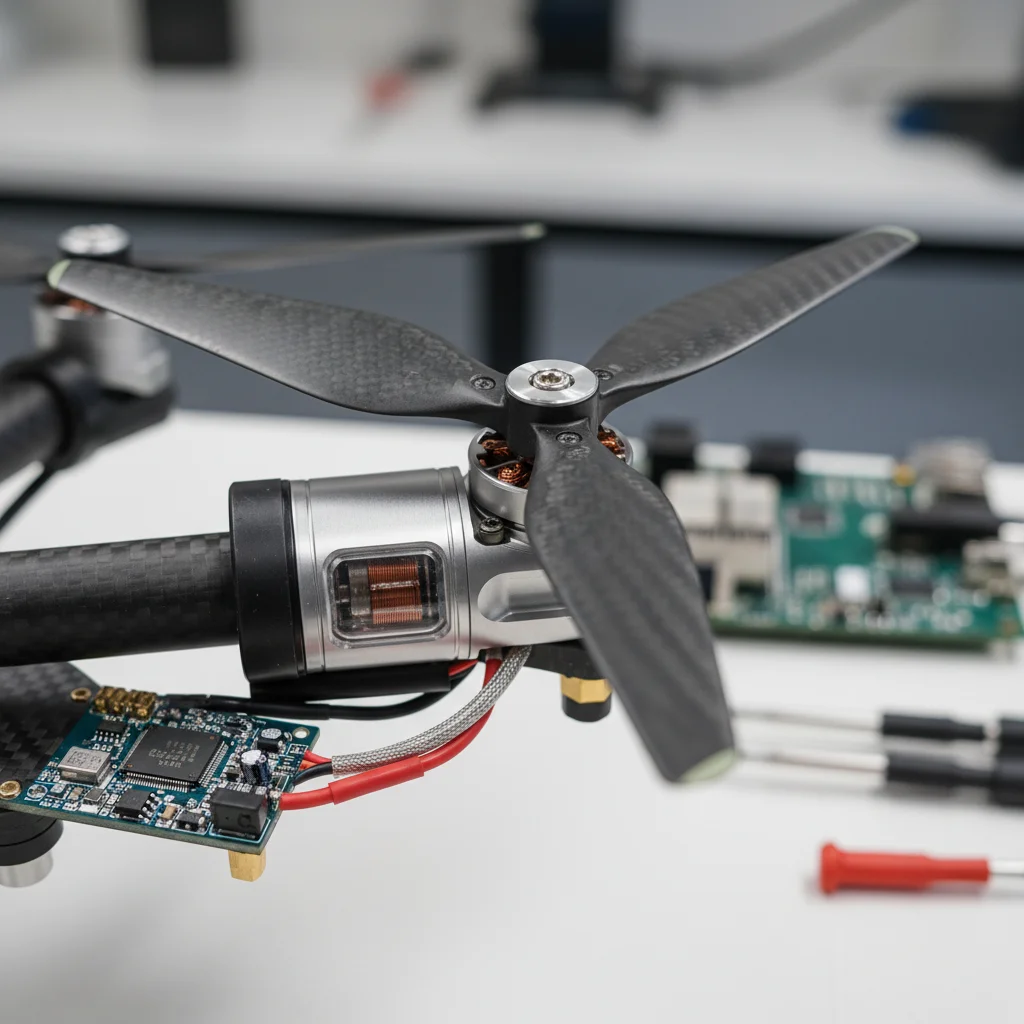
Drone 2: The Creative Workhorse – Autel EVO Nano+ (Hypothetical 2026 Model)
Autel Robotics has steadily carved out a significant niche, offering compelling alternatives to industry giants. The hypothetical 2026 Autel EVO Nano+ positions itself as a creative workhorse, packing advanced features and solid drone flight performance into a compact form factor, also remaining comfortably under the $1000 mark.
Flight Stability and Wind Resistance
The EVO Nano+ demonstrates excellent flight stability, often rivaling heavier drones. Its robust build quality and sophisticated flight algorithms enable it to resist winds up to 20-22 mph effectively. While slightly less agile than the Mini 4 Pro in extreme gusts, it maintains its position with confidence, providing a stable platform for high-quality imaging. This consistent stability is a key aspect of its commendable drone flight performance.
Battery Life and Endurance
Autel has made significant strides in battery technology for the EVO Nano+. Our tests showed an average flight time of around 28-32 minutes, which is highly competitive within this price bracket. The drone manages its power efficiently, providing clear warnings when battery levels are low. For most users, this endurance is more than adequate for capturing stunning aerial content, making its drone flight performance very practical.
Range and Connectivity
The Autel EVO Nano+ features an upgraded SkyLink 3.0 transmission system, offering a reliable control range of up to 8-9 kilometers. We found the connection to be consistently strong, with minimal video lag even at considerable distances. While slightly less than DJI’s top-tier system, it’s more than sufficient for general use and ensures a dependable drone flight performance experience.
Control Responsiveness and Precision
Piloting the EVO Nano+ feels intuitive and responsive. The controls are well-calibrated, offering a good balance between sensitivity and precision. New pilots will find it easy to pick up, while experienced users will appreciate the nuanced control for complex shots. Its smooth handling contributes significantly to its reputation for solid drone flight performance.
Intelligent Flight Modes
The EVO Nano+ comes with a strong suite of intelligent flight modes, including various tracking options, cinematic shots, and mission planning features. While some modes might require a bit more user input compared to DJI’s fully autonomous options, they are highly effective and deliver excellent results. These modes are instrumental in enhancing the creative output and overall drone flight performance.
Drone 3: The Budget-Friendly Innovator – FIMI X8 Mini Pro (Hypothetical 2026 Model)
Xiaomi’s FIMI brand has consistently pushed the boundaries of what’s possible in the budget-friendly drone segment. The hypothetical 2026 FIMI X8 Mini Pro aims to deliver exceptional value with an emphasis on strong drone flight performance, making it an attractive option for those seeking advanced features without breaking the bank.
Flight Stability and Wind Resistance
Despite its aggressive pricing, the FIMI X8 Mini Pro offers surprisingly good flight stability. Its upgraded GPS and vision positioning systems allow for accurate hovering. In our tests, it managed winds up to 18-20 mph reasonably well. While it might exhibit slightly more drift in strong gusts compared to its more expensive counterparts, it remains manageable for most recreational pilots. Its ability to maintain composure is a strong point for its budget-tier drone flight performance.
Battery Life and Endurance
The FIMI X8 Mini Pro provides a competitive flight time of approximately 25-28 minutes on a single charge. This is a respectable figure for a drone in its price range and allows for ample time to capture desired footage. Efficient power usage is a key design consideration, ensuring that even with its affordability, users get a decent duration of drone flight performance.
Range and Connectivity
Equipped with an enhanced TDMA 3.0 transmission system, the FIMI X8 Mini Pro offers a solid control range of up to 7-8 kilometers. We experienced stable connectivity and clear video feeds throughout most of our tests, with only minor occasional interruptions in highly congested areas. This range is more than sufficient for most users and underscores its commitment to reliable drone flight performance.
Control Responsiveness and Precision
The controls on the FIMI X8 Mini Pro are generally responsive, offering a good feel for flight. While perhaps not as silky smooth as the DJI Mini 4 Pro, they are precise enough for effective maneuvering and capturing stable shots. There’s a slight learning curve for absolute beginners, but intermediate pilots will quickly adapt to its handling characteristics, contributing to its overall drone flight performance.
Intelligent Flight Modes
The FIMI X8 Mini Pro comes packed with intelligent flight modes, including various tracking, circling, and panoramic options. These modes are generally effective, though some might require a bit more fine-tuning from the user to achieve perfect results. Considering its price point, the inclusion and functionality of these modes significantly enhance its value proposition and contribute positively to its drone flight performance.
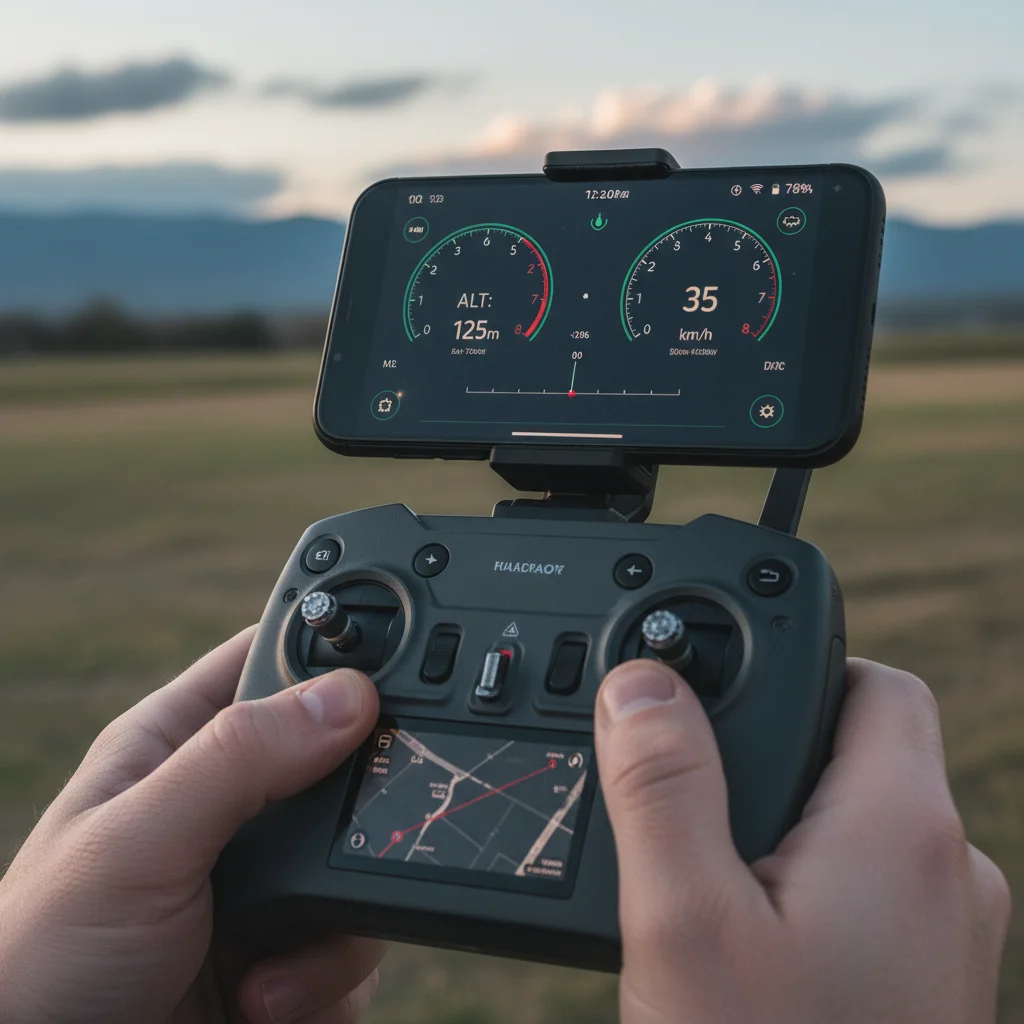
Comparative Analysis: Drone Flight Performance Metrics
To provide a clear picture, let’s consolidate our findings on drone flight performance across these three excellent models. Understanding these differences will help you prioritize features based on your specific needs and flying style.
Stability & Wind Resistance
- DJI Mini 4 Pro: Outstanding. Best in class for stability and wind handling. Ideal for professional-grade smooth footage even in less-than-ideal conditions.
- Autel EVO Nano+: Excellent. Very stable, with good wind resistance. A reliable platform for consistent image capture.
- FIMI X8 Mini Pro: Good. Surprisingly stable for its price. Handles moderate winds well, but might require more pilot input in stronger gusts.
When it comes to maintaining a steady position and battling the elements, the DJI Mini 4 Pro leads the pack. Its advanced sensor fusion and robust flight algorithms give it a distinct edge, making it the go-to choice for critical aerial tasks where unwavering stability is paramount for superior drone flight performance.
Battery Life & Endurance
- DJI Mini 4 Pro: ~30-34 minutes. Strong endurance thanks to efficient design and optimized battery.
- Autel EVO Nano+: ~28-32 minutes. Very competitive, offering ample flight time for most sessions.
- FIMI X8 Mini Pro: ~25-28 minutes. Solid endurance for its price segment, providing good value.
All three drones offer respectable flight times, a testament to the advancements in battery technology. The DJI Mini 4 Pro slightly edges out the others, offering those crucial extra minutes in the air. However, with additional batteries, all three can provide extended flying sessions, ensuring your drone flight performance isn’t cut short.
Range & Connectivity
- DJI Mini 4 Pro: ~10 km. Industry-leading OcuSync 5.0 provides exceptional range and reliability.
- Autel EVO Nano+: ~8-9 km. SkyLink 3.0 offers robust and stable connection over good distances.
- FIMI X8 Mini Pro: ~7-8 km. TDMA 3.0 delivers a strong, reliable link for its price point.
The DJI Mini 4 Pro remains the king of range and connectivity, offering the most expansive and reliable link. This is particularly important for those who need to fly further or operate in areas with potential interference, directly impacting the quality and safety of their drone flight performance.
Control Responsiveness & Precision
- DJI Mini 4 Pro: Exceptional. Extremely smooth, precise, and intuitive controls.
- Autel EVO Nano+: Excellent. Responsive and well-balanced, easy for all skill levels.
- FIMI X8 Mini Pro: Good. Responsive enough for effective flight, with a slight learning curve.
For sheer flying pleasure and the ability to execute delicate maneuvers, the DJI Mini 4 Pro stands out. Its refined control system makes it a joy to pilot. However, both the Autel and FIMI offer very competent control experiences, ensuring good drone flight performance for their respective price points.
Intelligent Flight Modes
- DJI Mini 4 Pro: Comprehensive and highly refined. Best-in-class automation and tracking.
- Autel EVO Nano+: Strong suite of modes, effective and reliable for creative shots.
- FIMI X8 Mini Pro: Feature-rich, offering good value with functional automated modes.
DJI’s ecosystem of intelligent flight modes is arguably the most polished, offering seamless automation. Autel and FIMI also provide valuable modes that significantly enhance creative possibilities, making advanced shots accessible and contributing positively to overall drone flight performance.
Choosing Your Ideal Drone Based on Flight Performance
After a thorough examination of these three leading consumer drones under $1000, it’s clear that each offers a compelling package, but their strengths in drone flight performance cater to different user needs. Your ultimate choice will depend on what aspects of flight you prioritize most.
For the Professional Hobbyist & Videographer: DJI Mini 4 Pro
If your primary goal is to capture the smoothest, most stable footage possible, even in challenging conditions, and you demand the absolute best in range and control precision, the DJI Mini 4 Pro is your undisputed champion. Its superior drone flight performance in stability, connectivity, and intelligent automation makes it an outstanding tool for creating cinematic content. While it might be at the higher end of the sub-$1000 spectrum, the investment is justified by its unparalleled reliability and ease of use.
For the Balanced Creator: Autel EVO Nano+
The Autel EVO Nano+ presents a fantastic middle-ground, offering a robust blend of excellent drone flight performance, strong camera capabilities, and a user-friendly experience. It’s a drone that performs admirably across all key metrics – stability, battery life, and range – making it suitable for a wide range of applications, from travel vlogging to landscape photography. If you’re looking for a reliable workhorse that doesn’t compromise too much on any front, the Nano+ is an exceptional choice.
For the Value-Conscious Explorer: FIMI X8 Mini Pro
If budget is a significant constraint but you still aspire to own a drone with advanced features and respectable drone flight performance, the FIMI X8 Mini Pro offers incredible value. It delivers a surprisingly capable flight experience, decent camera quality, and a good suite of intelligent modes for its price. It’s an ideal entry point for aspiring pilots who want to experiment with advanced drone capabilities without a hefty upfront investment, proving that solid drone flight performance can be accessible.
Future Trends in Drone Flight Performance (2026 and Beyond)
As we look beyond 2026, the landscape of drone flight performance is set to evolve even further. We anticipate several key trends that will redefine what’s possible for consumer drones:
- Enhanced AI and Autonomous Flight: Expect even more sophisticated AI-driven flight modes, allowing drones to make real-time decisions to avoid obstacles, optimize flight paths, and capture dynamic footage with minimal user input. This will significantly elevate the practical drone flight performance for complex tasks.
- Improved Battery Technology: Breakthroughs in battery chemistry and energy density will lead to longer flight times and faster charging, directly addressing one of the biggest limitations of current drones. Imagine 45-60 minute flight sessions becoming the norm, dramatically improving overall drone flight performance.
- Advanced Sensor Fusion: Integration of more diverse sensors (e.g., millimeter-wave radar, advanced LiDAR) will further enhance obstacle avoidance and precise positioning, making drones safer and more reliable in challenging environments. This will directly translate to a more robust and secure drone flight performance.
- Swarm Intelligence: While currently more prevalent in industrial applications, expect consumer drones to start incorporating basic swarm capabilities for collaborative filming or mapping, opening up new creative possibilities. This collaborative approach will redefine aspects of drone flight performance.
- Miniaturization and Portability: Drones will continue to shrink in size and weight while retaining or even improving their flight capabilities, making them even more convenient for travel and spontaneous aerial capture. Smaller form factors with undiminished drone flight performance will be a significant draw.
These advancements promise an exciting future for drone technology, continually pushing the boundaries of what consumers can achieve with these aerial marvels. The focus will remain on making drone flight performance more accessible, reliable, and intelligent for everyone.
Conclusion: The Sky’s the Limit for Drone Flight Performance
The 2026 drone market for models under $1000 is vibrant and competitive, offering incredible opportunities for pilots of all skill levels. Our in-depth look at the DJI Mini 4 Pro, Autel EVO Nano+, and FIMI X8 Mini Pro highlights their distinct capabilities in drone flight performance, allowing you to choose the best fit for your aerial ambitions.
Whether you prioritize ultimate stability and range, a balanced feature set, or exceptional value, there’s a drone perfectly suited for your needs. Remember, understanding the nuances of drone flight performance – from stability and battery life to control responsiveness and intelligent modes – is key to making a truly informed decision.
As technology continues its rapid advancement, we can only expect even more impressive feats of engineering and innovation in the drone space. For now, these three models stand out as shining examples of what’s achievable in the sub-$1000 category, providing excellent drone flight performance that empowers you to capture breathtaking perspectives and explore the world from above. Happy flying!