Navigating the Metaverse: 3 Key Opportunities for US Consumers in Virtual Economies by Mid-2026
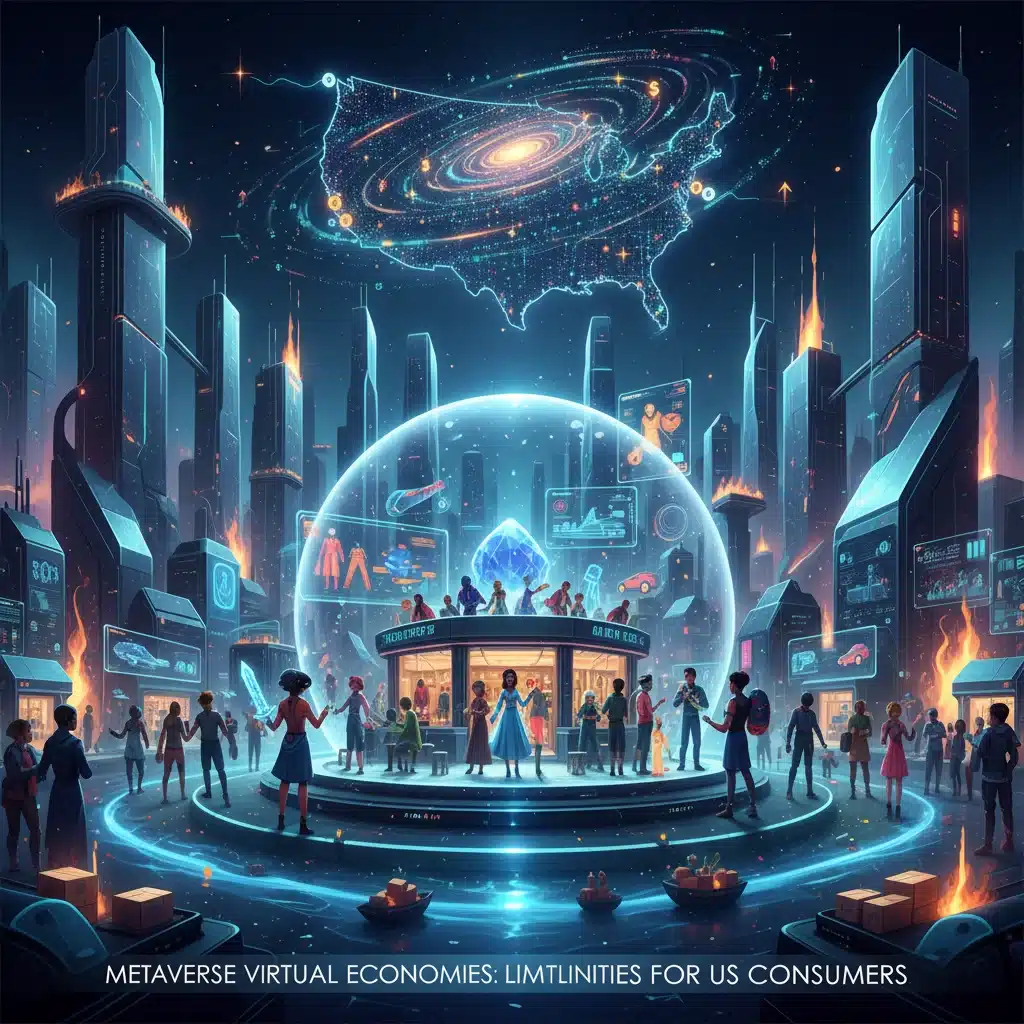
The concept of the metaverse, once confined to science fiction novels and speculative tech discussions, is rapidly transitioning into a tangible reality, presenting an exciting frontier for innovation, interaction, and economic growth. For US consumers, understanding and engaging with these emerging metaverse virtual economies is not just about keeping up with technology; it’s about identifying and capitalizing on significant opportunities that are projected to reshape digital interaction and commerce by mid-2026. This comprehensive guide will delve into three pivotal areas where US consumers can find substantial value and engagement within the burgeoning metaverse.
The metaverse, in its broadest definition, is a persistent, interconnected network of 3D virtual worlds where users can interact with each other, digital objects, and AI-driven entities in real-time. It’s a space where physical and digital realities converge, offering immersive experiences that transcend traditional internet browsing. At the heart of this evolving ecosystem are metaverse virtual economies, powered by technologies like blockchain, NFTs (Non-Fungible Tokens), and cryptocurrencies. These economies enable true digital ownership, verifiable scarcity, and seamless transactions, laying the groundwork for entirely new models of commerce and community.
Understanding the Landscape of Metaverse Virtual Economies
Before diving into specific opportunities, it’s crucial to grasp the foundational elements of metaverse virtual economies. Unlike traditional online games where in-game items are centrally controlled by developers, metaverse economies leverage decentralized technologies. This means that assets purchased or earned within these virtual worlds can be truly owned by the user, transferred across different platforms (where interoperability exists), and traded on open marketplaces. This paradigm shift from ‘renting’ digital content to ‘owning’ it empowers consumers in unprecedented ways.
Key components include:
- Non-Fungible Tokens (NFTs): Unique digital assets representing ownership of virtual land, art, collectibles, fashion, and more.
- Cryptocurrencies: Digital currencies (like Ethereum, Solana, or specific metaverse tokens like MANA for Decentraland or SAND for The Sandbox) used for transactions within these virtual worlds.
- Decentralized Autonomous Organizations (DAOs): Community-governed structures that allow users to have a say in the future development and policies of certain metaverse platforms.
- Interoperability: The ability for assets and avatars to move seamlessly between different virtual environments, though this is still an evolving standard.
The growth trajectory of metaverse virtual economies is steep. Analysts predict a multi-trillion-dollar market in the coming years, with significant portions of this growth driven by consumer adoption in developed markets like the US. This isn’t just about entertainment; it encompasses commerce, education, work, and social interaction, all within a persistent digital realm.
Opportunity 1: Digital Asset Ownership and Investment
One of the most immediate and impactful opportunities for US consumers in metaverse virtual economies lies in digital asset ownership and investment. This extends beyond merely collecting digital art; it involves acquiring assets that can appreciate in value, generate passive income, or serve as foundational elements for future metaverse endeavors.
Virtual Real Estate: The New Frontier
Just as physical real estate has long been a cornerstone of wealth generation, virtual land within popular metaverse platforms like Decentraland, The Sandbox, and Somnium Space has emerged as a significant investment vehicle. US consumers are actively purchasing plots of virtual land, often as NFTs, with the expectation that their value will increase as these platforms attract more users, developers, and businesses.
The value proposition of virtual land is multifaceted:
- Scarcity: Plots are limited, creating inherent value.
- Location: Proximity to popular areas, celebrity estates, or high-traffic zones within the metaverse can significantly boost value.
- Development Potential: Landowners can build experiences, host events, set up virtual stores, or rent out their parcels to others, generating revenue.
By mid-2026, we anticipate a more mature virtual real estate market, with clearer valuation metrics and increased institutional investment. Early adopters among US consumers who strategically acquire virtual land in promising metaverse projects could see substantial returns. However, it’s crucial to approach this with due diligence, understanding the specific platform’s ecosystem, community engagement, and long-term vision.
NFTs Beyond Art: Utility and Collectibles
While NFT art has garnered significant media attention, the true potential of NFTs within metaverse virtual economies extends to utility and collectibles. For US consumers, this means opportunities in:
- Gaming Assets: In play-to-earn (P2E) games, NFTs represent in-game items like characters, weapons, skins, or virtual pets that users can own, use, and trade. These assets often provide advantages within the game or can be ‘rented’ to other players for a fee, creating passive income.
- Virtual Fashion and Avatars: Digital wearables for avatars, designed by established brands or independent creators, are becoming increasingly popular. Owning unique digital fashion NFTs allows consumers to express their identity in the metaverse and participate in a new form of digital luxury.
- Access Tokens: Some NFTs grant exclusive access to virtual events, communities, or premium content within the metaverse.
Investing in these utility-driven NFTs requires an understanding of their underlying project, community, and potential for integration across different metaverse experiences. As the metaverse virtual economies mature, the utility of an NFT will increasingly dictate its long-term value, moving beyond speculative art investments.
Diversifying Digital Portfolios
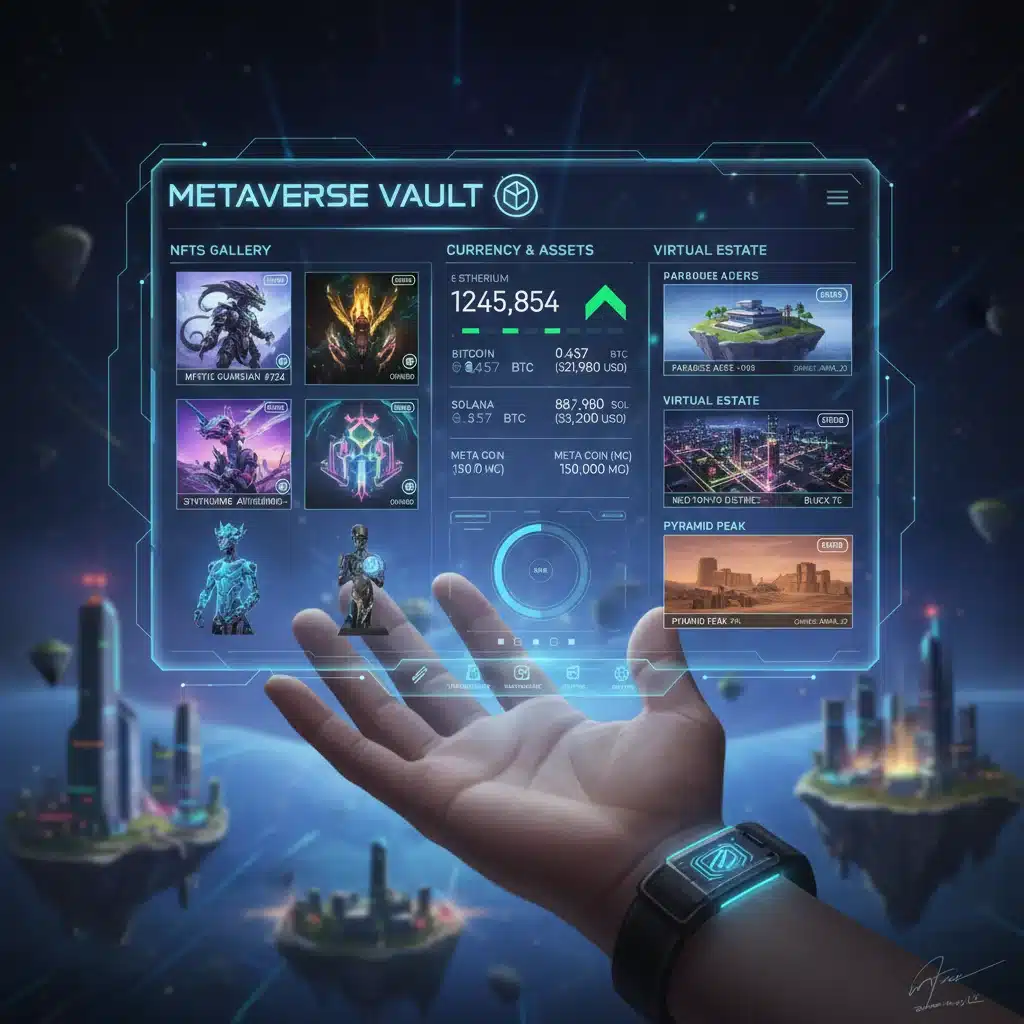
For savvy US consumers, the metaverse offers a new avenue for portfolio diversification. This could involve allocating a portion of investment capital to metaverse-specific cryptocurrencies, virtual land, or a curated collection of utility-focused NFTs. The key is to approach these investments with a long-term perspective, recognizing the nascent stage of the market while acknowledging its immense growth potential.
Opportunity 2: Creating and Monetizing Virtual Experiences
Beyond passive investment, metaverse virtual economies empower US consumers to become creators and entrepreneurs, monetizing their skills and creativity by building and offering virtual experiences. This democratizes content creation, allowing individuals to compete with larger entities in providing engaging digital interactions.
Building and Renting Virtual Spaces
For those with a knack for design and development, owning virtual land isn’t just about appreciation; it’s about building. US consumers can leverage their virtual land to:
- Host Events: Organize virtual concerts, art exhibitions, conferences, or social gatherings. Attendees might pay an entrance fee, or advertisers could sponsor the event.
- Develop Games or Experiences: Create interactive games, educational modules, or unique social experiences that attract users and potentially generate revenue through in-experience purchases or advertisements.
- Establish Virtual Stores: Retailers, both large and small, are setting up shop in the metaverse. Individual creators can design and sell digital goods (e.g., NFT fashion, virtual furniture) directly to consumers.
The tools for building in the metaverse are becoming more user-friendly, lowering the barrier to entry for non-developers. Platforms like The Sandbox offer visual scripting tools, allowing creators to build complex experiences without extensive coding knowledge. This accessibility is a game-changer for US consumers looking to tap into the creative economy of the metaverse.
Providing Services in the Metaverse
The burgeoning metaverse virtual economies will also create demand for a new class of virtual service providers. US consumers with specialized skills can offer their expertise directly within these digital worlds:
- Virtual Architects and Designers: Designing virtual buildings, landscapes, and interiors for landowners.
- Avatar Fashion Designers: Creating unique digital apparel and accessories for avatars.
- Event Planners: Organizing and managing virtual events for individuals and businesses.
- Community Managers: Helping to foster and grow communities within specific metaverse platforms or projects.
- Content Creators: Producing virtual art, music, or interactive narratives for metaverse consumption.
These roles are essentially digital extensions of real-world professions, but with the added benefit of global reach and potentially lower overheads. By mid-2026, we expect a robust freelance economy to flourish within the metaverse, offering flexible and innovative employment opportunities for US consumers.
Monetization Models for Creators
Creators in the metaverse virtual economies have various avenues for monetization:
- Direct Sales: Selling NFTs (e.g., art, fashion, game assets) directly to consumers.
- Commissions: Offering custom design or development services for other metaverse users.
- Advertising and Sponsorships: Hosting branded experiences or displaying virtual advertisements on their land.
- Token Gated Access: Creating exclusive content or communities accessible only to holders of specific NFTs or tokens.
- Play-to-Earn Mechanics: If creating a game, designing it with P2E elements that reward players with valuable digital assets.
The rise of these creator-centric economies offers a powerful incentive for US consumers to not just consume, but actively contribute to and profit from the metaverse’s expansion.
Opportunity 3: New Income Streams and Virtual Work
The metaverse is not just a place for leisure and investment; it’s rapidly evolving into a new frontier for work and income generation. For US consumers, this means exploring novel ways to earn a living, supplement income, or even transition into full-time virtual careers within metaverse virtual economies.
Play-to-Earn (P2E) Gaming
P2E gaming is a revolutionary model where players are rewarded with real-world value for their time and effort spent in virtual worlds. Instead of traditional gaming where value flows only to the game developers, P2E games distribute value back to the players in the form of cryptocurrencies and NFTs. US consumers can earn income by:
- Playing Games: Earning in-game tokens or NFT assets by completing quests, battling other players, or participating in virtual events.
- Breeding or Crafting NFTs: Creating new, valuable NFTs within games (e.g., breeding virtual pets, crafting rare items) and selling them on marketplaces.
- Lending/Renting Assets: Allowing other players to use their valuable in-game NFTs (e.g., powerful characters, rare weapons) for a fee, creating passive income.
While still in its early stages, the P2E sector is attracting significant investment and innovation. By mid-2026, we anticipate more sophisticated P2E models and a wider array of games, offering more stable and engaging income opportunities for US consumers who enjoy gaming.
The Rise of Metaverse Jobs
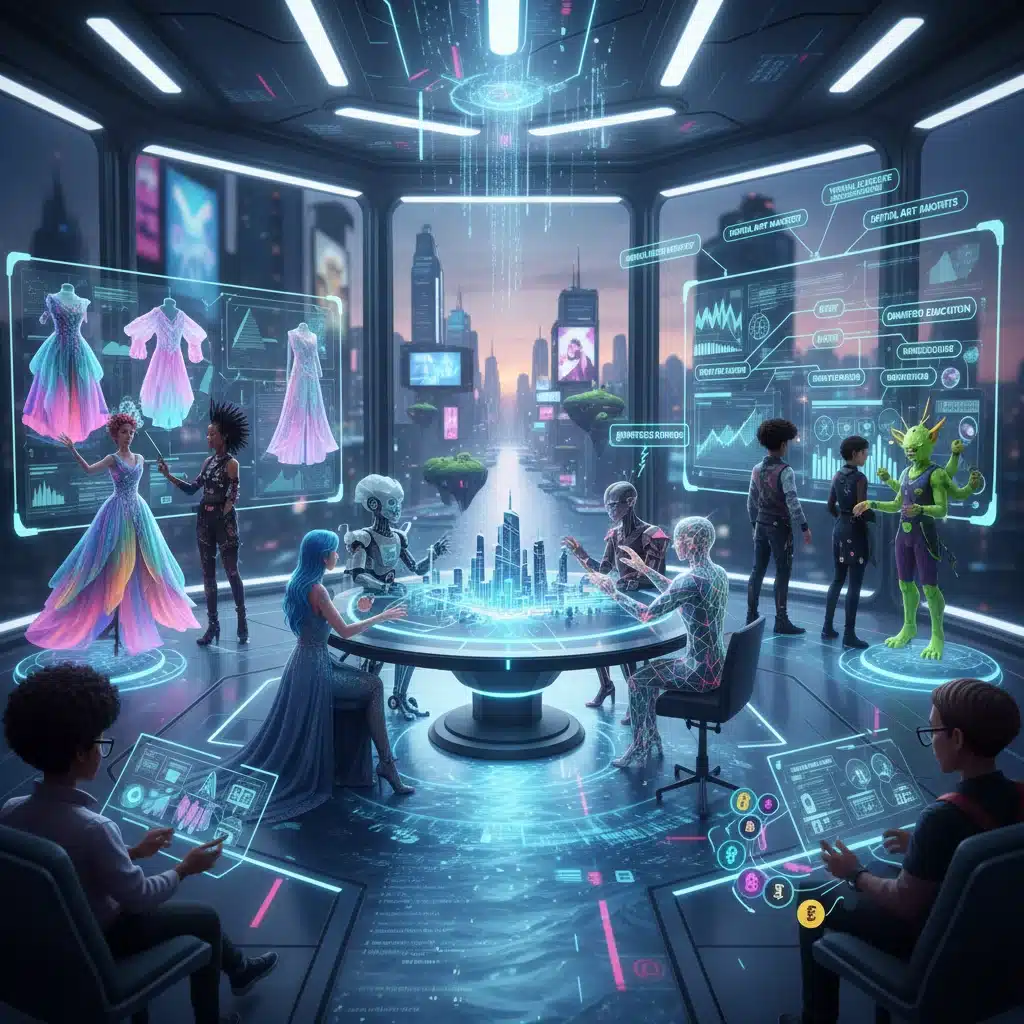
As metaverse virtual economies expand, so too will the demand for dedicated metaverse professionals. Beyond the freelance roles mentioned earlier, we’re seeing the emergence of entirely new job categories:
- Metaverse Developers: Engineers and programmers specializing in building metaverse platforms, tools, and applications.
- Virtual World Builders: Designers and artists creating the environments, assets, and experiences within virtual worlds.
- NFT Strategists: Experts who advise individuals and businesses on NFT creation, marketing, and investment.
- Community & Experience Managers: Roles focused on curating engaging experiences and fostering vibrant communities within metaverse spaces.
- Digital Economists: Professionals analyzing and optimizing the economic systems within virtual worlds.
Companies are already hiring for these roles, and universities are beginning to offer courses in metaverse development and digital asset management. For US consumers looking to future-proof their careers, acquiring skills relevant to the metaverse ecosystem could prove highly advantageous.
Virtual Commerce and Entrepreneurship
The metaverse provides a fertile ground for entrepreneurs to launch entirely new businesses or extend existing ones into the digital realm. US consumers can explore:
- Operating Virtual Retail Stores: Selling physical goods in the metaverse (e.g., virtual try-ons, digital twins) or exclusively digital goods (e.g., NFT fashion).
- Providing Virtual Services: Offering consulting, education, or entertainment services within the metaverse.
- Developing and Selling Metaverse Tools: Creating software, templates, or assets that help other users build and operate in the metaverse.
The low barrier to entry for establishing a virtual presence, coupled with the global reach of the metaverse, makes it an attractive platform for aspiring entrepreneurs. By mid-2026, we expect to see a thriving ecosystem of small and medium-sized businesses operating entirely within metaverse virtual economies.
Navigating the Challenges and Risks
While the opportunities in metaverse virtual economies are vast, it’s essential for US consumers to be aware of the inherent challenges and risks. These include market volatility, security concerns (e.g., scams, hacks), regulatory uncertainty, and the steep learning curve associated with new technologies like blockchain and NFTs.
Key considerations for consumers:
- Education is Key: Thoroughly research any platform, project, or asset before investing time or money.
- Security Best Practices: Use strong, unique passwords, enable two-factor authentication, and be wary of phishing attempts. Understand how to secure your crypto wallet.
- Start Small: Don’t invest more than you can afford to lose. Begin with smaller investments to gain experience and understanding.
- Stay Informed: The metaverse landscape is evolving rapidly. Keep up-to-date with news, trends, and regulatory developments.
Despite these challenges, the proactive engagement of US consumers in understanding and participating in metaverse virtual economies will be crucial for shaping their future development and ensuring a more inclusive and beneficial digital future.
Conclusion: The Future is Virtual, and Economic
The metaverse is not just an incremental improvement to the internet; it represents a fundamental shift in how we interact with digital content, each other, and commerce. For US consumers, the period leading up to mid-2026 will be a critical window to engage with and benefit from the emerging metaverse virtual economies. Whether through strategic digital asset investment, creative entrepreneurship, or exploring new avenues for virtual work, the opportunities are substantial and diverse.
By embracing this new digital frontier with a blend of enthusiasm and informed caution, US consumers can position themselves to not only navigate but also thrive within the immersive and economically rich landscape of the metaverse. The future of digital interaction and value creation is here, and it’s happening in the metaverse.