Mastering Employee Development Programs: Boost Your Workforce Potential

Mastering Employee Development Programs: Boost Your Workforce Potential
In today’s rapidly evolving business landscape, the adage ’employees are a company’s greatest asset’ rings truer than ever. Organizations that invest in their people not only see a direct impact on productivity and innovation but also cultivate a resilient, adaptable workforce capable of navigating future challenges. This is where well-structured employee development programs become indispensable. More than just a perk, these programs are a strategic imperative, fostering growth, enhancing skills, and ultimately driving the success of the entire enterprise.
The concept of employee development is broad, encompassing a range of activities designed to help employees acquire new skills, knowledge, and abilities. It’s about nurturing talent, preparing individuals for future roles, and ensuring that the workforce remains competitive and engaged. In this comprehensive guide, we will delve into the critical aspects of designing, implementing, and evaluating effective employee development programs. We’ll explore the myriad benefits they offer, from boosting morale and retention to improving overall organizational performance. Whether you’re a seasoned HR professional, a business leader, or simply curious about maximizing human potential, understanding the nuances of robust employee development is crucial.
We live in an age where skills can become obsolete almost as quickly as they are acquired. This constant flux necessitates a proactive approach to learning and growth. Companies that fail to prioritize employee development risk falling behind, losing top talent to competitors who offer more compelling growth opportunities. Conversely, those that embrace continuous learning create a dynamic, innovative environment where employees feel valued and empowered. Let’s embark on this journey to uncover how strategic investment in your people can transform your organization.
The Indisputable Benefits of Robust Employee Development Programs
The case for investing in employee development programs is overwhelmingly strong, supported by various studies and real-world success stories. These benefits extend far beyond individual skill enhancement, permeating every level of an organization. Understanding these advantages is the first step towards securing the necessary buy-in and resources for your initiatives.
Enhanced Skill Sets and Productivity
Perhaps the most immediate and obvious benefit of employee development is the enhancement of individual and collective skill sets. Training equips employees with the knowledge and tools they need to perform their current roles more effectively and efficiently. This directly translates into increased productivity, higher quality work, and a reduction in errors. When employees are continually learning, they are more likely to adopt new technologies and methodologies, keeping the organization at the forefront of its industry. For instance, a sales team trained in advanced negotiation techniques will likely close more deals, while a software development team learning new coding languages can build more innovative products. This continuous improvement cycle is a cornerstone of competitive advantage.
Improved Employee Retention and Reduced Turnover
In today’s competitive job market, employees are increasingly seeking opportunities for growth and advancement. Companies that offer strong employee development programs are significantly more attractive to prospective talent and more successful at retaining their existing workforce. When employees see a clear path for professional growth within their organization, they are less likely to look elsewhere. A lack of development opportunities is a primary reason employees cite for leaving their jobs. By investing in their future, companies demonstrate a commitment to their employees, fostering loyalty and reducing the costly process of recruitment and onboarding new staff. This also helps in building a strong employer brand, attracting high-caliber candidates who value career progression.
Boosted Morale and Engagement
Feeling stagnant in one’s career can be highly demotivating. Conversely, providing opportunities for learning and development can significantly boost employee morale and engagement. When employees feel that their company is invested in their personal and professional growth, they feel valued and appreciated. This sense of value translates into higher job satisfaction, greater motivation, and a more positive work environment. Engaged employees are more committed to their work, more collaborative, and more willing to go the extra mile for the organization’s success. They become advocates for the company, contributing to a positive culture and attracting like-minded individuals.
Succession Planning and Leadership Development
Effective employee development programs are crucial for robust succession planning. By identifying high-potential employees and providing them with targeted training and mentorship, organizations can cultivate a strong pipeline of future leaders. This ensures business continuity and smooth transitions when key personnel move on or retire. Leadership development programs, in particular, prepare individuals not just for managerial roles but also for strategic thinking, problem-solving, and inspiring teams. This proactive approach to leadership ensures that the organization has the talent it needs to thrive in the long term, reducing reliance on external hires for critical positions.
Enhanced Organizational Agility and Adaptability
The business world is constantly changing, driven by technological advancements, market shifts, and global events. Organizations with a workforce committed to continuous learning are far better equipped to adapt to these changes. Employee development programs can focus on fostering skills like critical thinking, problem-solving, and adaptability, which are essential for navigating uncertainty. A workforce that is continuously upskilling and reskilling is more resilient and can pivot quickly to new challenges and opportunities, ensuring the organization remains competitive and relevant. This proactive stance on skill development is not just about reacting to change but about anticipating and shaping the future.
Key Components of Effective Employee Development Programs
Designing an impactful employee development program requires careful consideration of several key components. It’s not a one-size-fits-all solution; rather, it’s about creating a tailored approach that aligns with both individual needs and organizational objectives. Let’s explore the essential elements that contribute to the success of these initiatives.
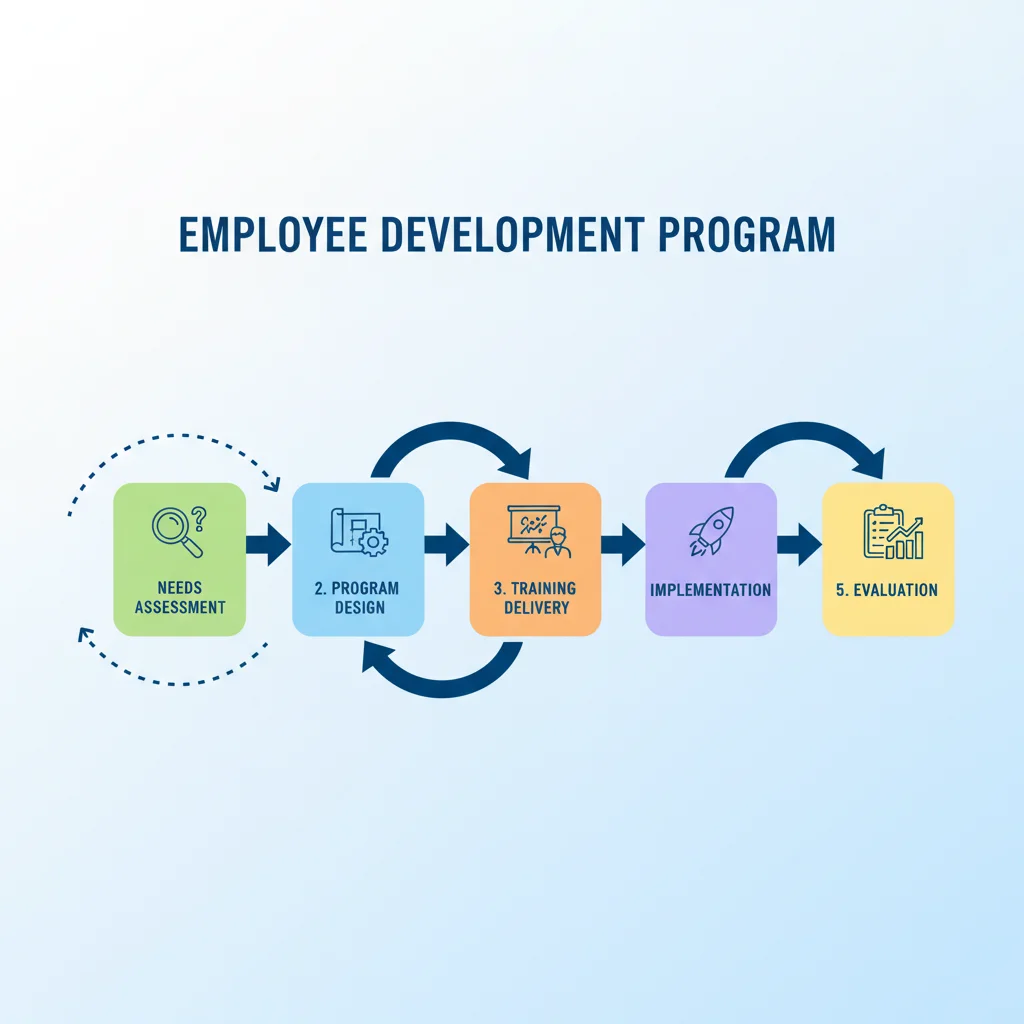
1. Needs Assessment and Goal Setting
The foundation of any successful development program is a thorough needs assessment. This involves identifying the current skills gaps within the workforce and understanding the future skills required to meet organizational goals. This can be achieved through performance reviews, employee surveys, interviews, and analysis of business objectives. Once needs are identified, clear, measurable, achievable, relevant, and time-bound (SMART) goals should be set for the development program. These goals should address both individual career aspirations and broader organizational requirements. For example, if a company aims to expand into a new market, the needs assessment might reveal a lack of employees proficient in that market’s language or cultural nuances, leading to targeted language and cultural training programs.
2. Diverse Learning Methodologies
To cater to different learning styles and preferences, effective employee development programs incorporate a variety of learning methodologies. This can include:
- Formal Training: Workshops, seminars, online courses, certifications, and degree programs.
- On-the-Job Training: Mentorship, coaching, job shadowing, cross-functional projects, and stretch assignments.
- Self-Directed Learning: Access to learning platforms, books, articles, podcasts, and online communities.
- Experiential Learning: Simulations, role-playing, and practical exercises.
A blended learning approach, combining several of these methods, often yields the best results, providing both structured knowledge acquisition and practical application.
3. Personalized Development Plans
While some training might be universal, personalized development plans are crucial for maximizing individual growth. These plans are co-created by employees and their managers, outlining specific learning objectives, desired outcomes, and the resources and activities required to achieve them. A personalized plan considers an employee’s current role, career aspirations, strengths, and areas for improvement. Regular check-ins and feedback sessions are vital to ensure the plan remains relevant and progress is being made. This tailored approach makes employees feel seen and heard, increasing their commitment to the development process.
4. Strong Leadership Support and Buy-in
The success of any development initiative hinges on the visible support and active participation of leadership. When leaders champion employee development programs, allocate resources, and even participate themselves, it sends a powerful message to the entire organization. Leaders should not only encourage employees to engage in development but also integrate learning into daily work, creating a culture where continuous improvement is the norm. Their commitment demonstrates the strategic importance of these programs and helps overcome potential resistance.
5. Continuous Feedback and Evaluation
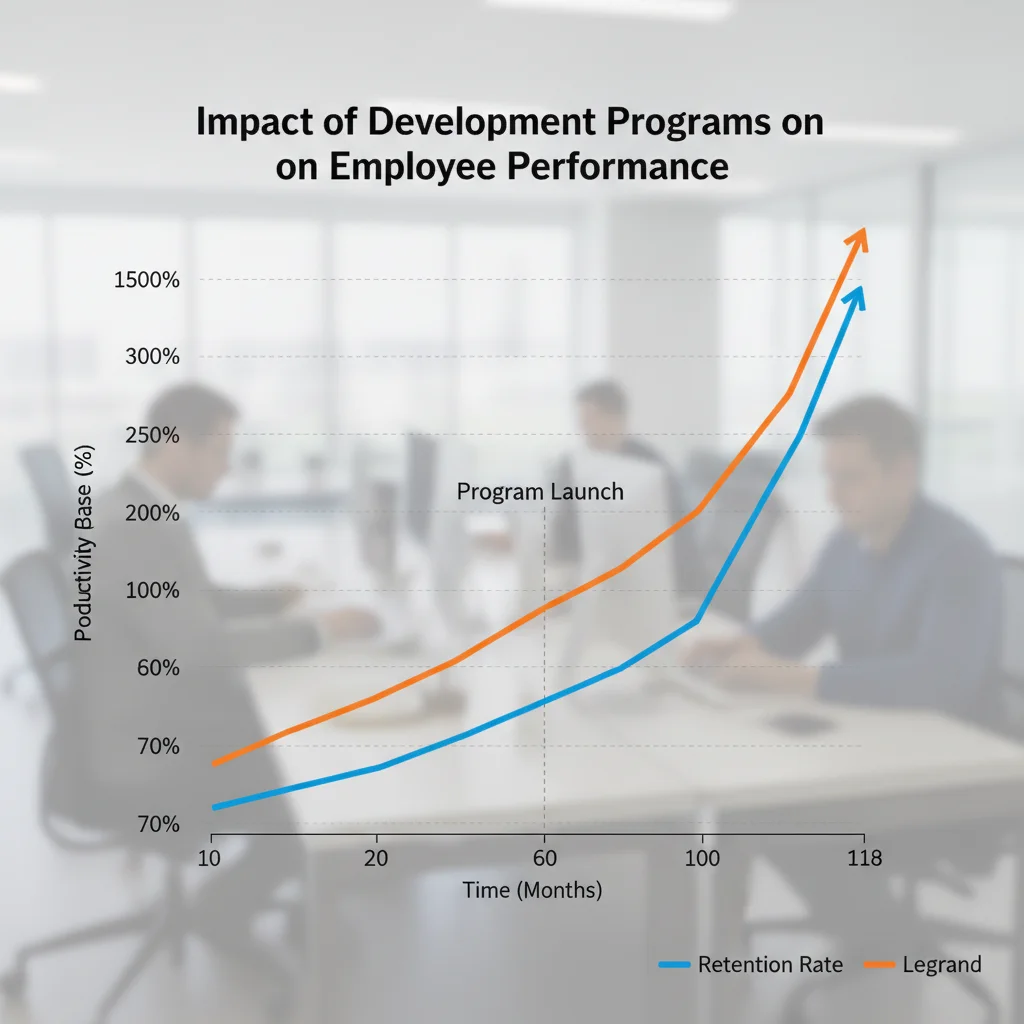
Development is an ongoing process, not a one-time event. Regular feedback, both formal and informal, is essential for employees to understand their progress and areas for further growth. Equally important is the evaluation of the development programs themselves. This involves assessing whether the programs are achieving their stated goals, whether employees are applying their new skills, and what impact they are having on organizational performance. Metrics such as skill proficiency scores, productivity gains, retention rates, and employee satisfaction can be used to measure effectiveness. This data-driven approach allows for continuous improvement and optimization of future development initiatives.
Implementing Successful Employee Development Programs: A Step-by-Step Guide
Putting theory into practice requires a systematic approach. Here’s a step-by-step guide to implementing effective employee development programs within your organization.
Step 1: Define Your Vision and Strategy
Before diving into specific programs, articulate a clear vision for employee development that aligns with your overall business strategy. What kind of workforce do you envision in 3-5 years? What core competencies will be critical for future success? This high-level strategy will guide all subsequent decisions. Consider factors like company culture, budget constraints, and the technological infrastructure available for learning.
Step 2: Conduct a Comprehensive Needs Analysis
As discussed, this is a crucial first step. Use a variety of methods to identify both individual and organizational skill gaps. Engage with employees at all levels, from entry-level staff to senior management, to understand their development needs and career aspirations. Analyze current performance data, industry trends, and future business objectives to pinpoint critical areas for development.
Step 3: Design Diverse and Engaging Programs
Based on your needs analysis, design a mix of development opportunities. This might include:
- Technical Skills Training: For specific software, machinery, or processes.
- Soft Skills Development: Communication, leadership, teamwork, emotional intelligence.
- Career Pathing Workshops: Helping employees understand potential growth trajectories.
- Mentorship/Coaching Programs: Pairing experienced employees with those seeking guidance.
- Cross-Training and Job Rotations: Broadening employees’ skill sets and understanding of different organizational functions.
Ensure that the content is relevant, engaging, and delivered through appropriate channels (e.g., online, in-person, blended).
Step 4: Secure Resources and Budget
Effective employee development programs require resources – financial, technological, and human. Present a compelling business case to leadership, highlighting the ROI of development in terms of retention, productivity, and innovation. Secure the necessary budget for training materials, platforms, external facilitators, and employee time off for learning. Also, ensure you have dedicated personnel to manage and administer the programs.
Step 5: Communicate and Launch
Clearly communicate the new development opportunities to all employees. Explain the benefits, how to access programs, and the expectations for participation. Create excitement and foster a culture of learning. A well-executed launch can significantly impact employee uptake and engagement. Use various communication channels such as internal newsletters, town hall meetings, and dedicated intranet pages.
Step 6: Monitor, Evaluate, and Iterate
Once programs are launched, continuous monitoring and evaluation are essential. Collect feedback from participants and managers. Track key metrics such as completion rates, skill acquisition, and impact on performance. Use this data to identify what’s working well and what needs improvement. Be prepared to iterate and adjust your programs based on feedback and evolving organizational needs. This continuous improvement loop ensures that your employee development programs remain effective and relevant over time.
Common Challenges and How to Overcome Them
While the benefits of employee development programs are clear, organizations often encounter challenges during implementation. Recognizing these hurdles and planning for them can significantly improve your chances of success.
Challenge 1: Lack of Employee Engagement
Employees may be reluctant to participate due to time constraints, perceived irrelevance, or a lack of motivation. To overcome this, ensure programs are highly relevant to their roles and career goals. Communicate the direct benefits to them. Offer flexible learning options (e.g., self-paced online courses). Provide incentives, recognition, and dedicate work time for development. Most importantly, foster a culture where learning is valued and celebrated, making it an integral part of professional life rather than an add-on task.
Challenge 2: Limited Budget and Resources
Budgetary constraints are a common hurdle. To address this, focus on cost-effective solutions. Leverage internal expertise through mentorship and peer-to-peer learning. Explore free or low-cost online resources and MOOCs. Prioritize development areas that offer the highest return on investment. Make a strong business case to leadership, demonstrating how development directly impacts key business outcomes, making it an investment rather than an expense. Consider phased rollouts, starting with critical areas and expanding as resources become available.
Challenge 3: Difficulty Measuring ROI
Quantifying the return on investment for development programs can be challenging, but it’s not impossible. Establish clear metrics at the outset, linked to business objectives. Track improvements in productivity, quality, employee satisfaction, retention rates, promotion rates, and project success. Conduct pre- and post-training assessments to measure skill acquisition. Gather qualitative data through feedback and testimonials. Over time, this data will build a compelling case for the value of your employee development programs.
Challenge 4: Keeping Content Relevant and Up-to-Date
The world changes rapidly, and development content can quickly become outdated. To maintain relevance, continuously monitor industry trends and technological advancements. Regularly review and update training materials. Solicit feedback from employees on the applicability of the content. Partner with external experts or educational institutions to ensure your programs reflect the latest knowledge and best practices. Create a dynamic learning ecosystem that can adapt to evolving needs, rather than a static library of courses.
Challenge 5: Managerial Resistance or Lack of Involvement
Managers play a pivotal role in employee development, yet some may resist due to their own workload or a lack of understanding. Train managers on the importance of development and their role in coaching and supporting their teams. Provide them with the tools and resources they need to facilitate development conversations and create personalized plans. Emphasize how developing their team members ultimately makes their own job easier and more effective, leading to better team performance and reduced pressure on them. Reward managers who actively champion development within their teams.
The Future of Employee Development Programs
As we look ahead, the landscape of employee development programs is set to evolve even further, driven by technological innovations and changing workforce demographics. Several trends are emerging that will shape how organizations approach learning and growth:
Hyper-Personalization and Adaptive Learning
The future will see even greater emphasis on hyper-personalized learning paths, leveraging AI and machine learning to recommend relevant content and experiences based on an individual’s role, skills, career goals, and learning style. Adaptive learning platforms will adjust content difficulty and pace in real-time, optimizing the learning experience for each employee. This will move away from generic training modules towards highly tailored and efficient development journeys.
Microlearning and Continuous Learning
With increasing demands on employee time, microlearning – short, bite-sized learning modules – will become even more prevalent. This approach allows employees to learn on the go, integrate learning into their daily workflow, and quickly acquire specific skills as needed. The focus will shift from infrequent, intensive training events to continuous, on-demand learning embedded in the flow of work.
Skills-Based Approach and Internal Mobility
Organizations will increasingly adopt a skills-based approach, focusing on developing specific competencies rather than just job titles. This will facilitate greater internal mobility, allowing employees to move into new roles or projects based on their acquired skills, even if those roles are outside their traditional career path. This fosters a more agile workforce and enhances career development opportunities within the company.
Gamification and Immersive Technologies
To boost engagement and retention, gamification elements (points, badges, leaderboards) will be integrated into more development programs. Furthermore, immersive technologies like virtual reality (VR) and augmented reality (AR) will offer highly realistic and engaging training simulations, particularly for complex or high-risk tasks, providing safe environments for practice and skill refinement.
Focus on Human-Centric Skills
While technical skills remain crucial, the demand for human-centric skills – creativity, critical thinking, emotional intelligence, collaboration, and ethical reasoning – will continue to grow. Employee development programs will place a stronger emphasis on nurturing these uniquely human capabilities, which are harder to automate and essential for problem-solving and innovation in an AI-driven world.
Conclusion: Investing in Your People, Investing in Your Future
In summation, employee development programs are not merely a cost center but a strategic investment with profound returns. They are the engine that propels organizations forward, ensuring a skilled, engaged, and adaptable workforce ready to meet the demands of tomorrow. From boosting productivity and fostering innovation to improving retention and strengthening leadership pipelines, the benefits are clear and far-reaching. By committing to continuous learning and growth, companies not only empower their employees to reach their full potential but also build a resilient and thriving enterprise that can withstand challenges and seize new opportunities.
As the world of work continues its dynamic evolution, the organizations that prioritize and excel in employee development will be those that lead the pack. They will be the ones attracting top talent, navigating disruption with agility, and ultimately achieving sustainable success. Make the commitment today to invest in your people, and watch as your organization transforms, grows, and innovates its way into a prosperous future.