Navigating AI Bias: Ethical Algorithm Development for 2026 Tech

The rapid advancement of artificial intelligence (AI) has brought unprecedented innovation and transformative potential across virtually every sector. From healthcare diagnostics to financial trading, from personalized education to autonomous vehicles, AI is reshaping our world at an astonishing pace. However, alongside this incredible progress, a critical challenge has emerged: the pervasive issue of AI ethics bias. As we look towards 2026 and beyond, understanding, identifying, and mitigating bias in algorithms is not merely a technical hurdle but a fundamental ethical imperative for responsible technological development.
The concept of AI ethics bias refers to systematic and unfair discrimination by an AI system, often reflecting biases present in the data it was trained on or the assumptions made during its design. These biases can lead to discriminatory outcomes, perpetuate societal inequalities, and erode public trust in AI technologies. The implications are far-reaching, affecting individuals, communities, and the very fabric of democratic societies. Addressing AI ethics bias is paramount to ensuring that AI serves humanity broadly and equitably, rather than exacerbating existing disparities.
Understanding the Roots of AI Ethics Bias
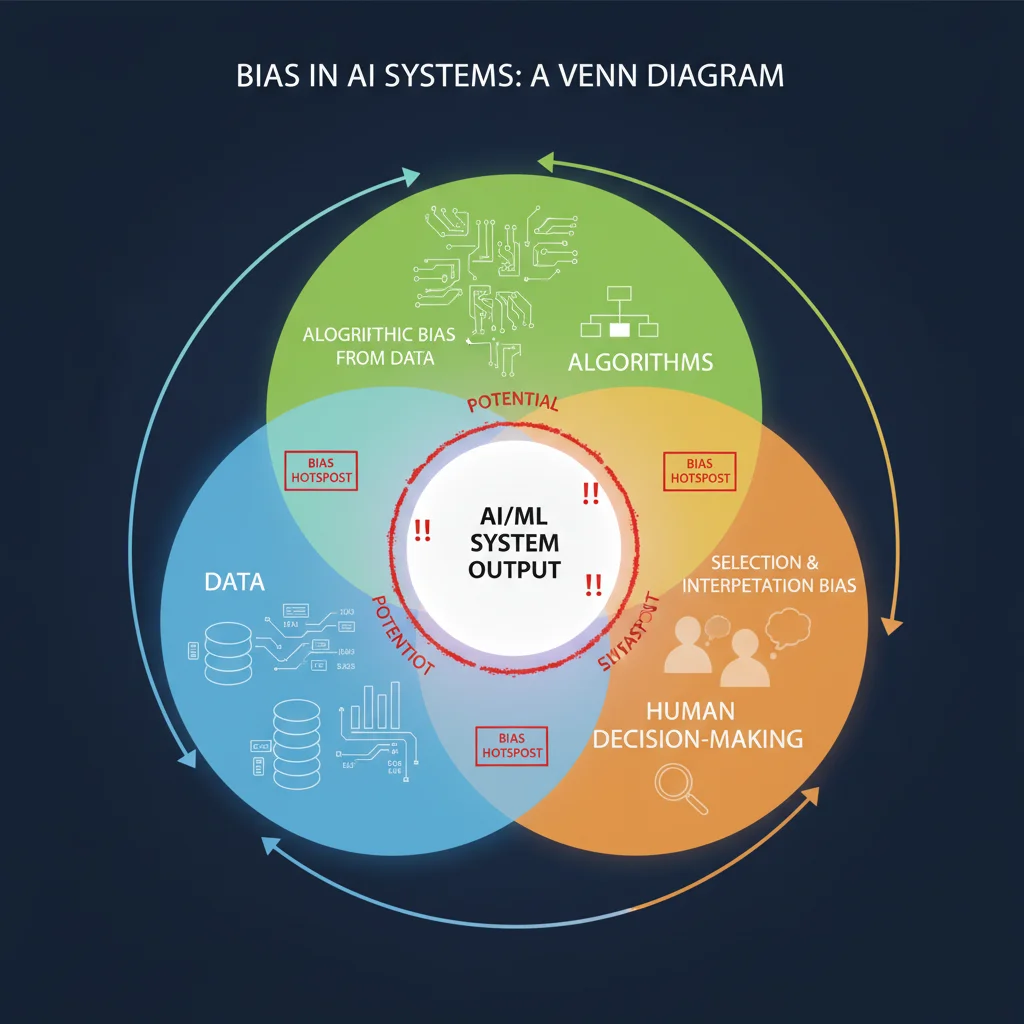
To effectively combat AI ethics bias, we must first comprehend its multifaceted origins. Bias in AI is rarely intentional; instead, it often arises from complex interactions within the data, algorithms, and human decisions involved in AI system development and deployment. Let’s delve into the primary sources:
1. Data Bias: The Foundation of Flawed AI
The most common and significant source of AI ethics bias stems from the data used to train AI models. Machine learning algorithms learn by identifying patterns in vast datasets. If these datasets are unrepresentative, incomplete, or contain historical biases, the AI will inevitably learn and perpetuate those biases. This can manifest in several ways:
- Sampling Bias: When the training data does not accurately reflect the diversity of the real-world population the AI is intended to serve. For instance, facial recognition systems trained predominantly on lighter-skinned individuals may perform poorly on darker-skinned individuals.
- Historical Bias: Data often reflects past societal inequalities. If historical hiring data shows fewer women in leadership roles, an AI trained on this data might unfairly deprioritize female candidates, even if gender is not an explicit feature.
- Measurement Bias: Inaccuracies or inconsistencies in how data is collected or labeled. For example, if certain demographics are consistently underreported or miscategorized, the AI will learn these errors.
- Selection Bias: When data is collected or selected in a way that is not random, leading to a skewed representation. This can occur when certain groups are less likely to participate in data collection efforts.
2. Algorithmic Bias: Design and Implementation Flaws
While data bias is a major culprit, the algorithms themselves can also introduce or amplify bias. The choices made by developers and researchers in designing, implementing, and evaluating AI models play a crucial role:
- Algorithm Design Choices: The mathematical models and optimization functions chosen can inadvertently favor certain outcomes or groups. For example, an algorithm optimized purely for predictive accuracy might sacrifice fairness for efficiency, especially if the minority groups are harder to predict accurately.
- Feature Selection: The decision of which features (variables) to include or exclude from a model can introduce bias. Even seemingly neutral features can act as proxies for protected attributes (e.g., zip codes as proxies for race or socioeconomic status).
- Evaluation Metrics: The metrics used to assess an AI’s performance can be biased. If an AI is only evaluated on overall accuracy, it might perform well on the majority group while failing significantly for minority groups. Metrics like equal accuracy across demographic groups are essential for fairness.
3. Human Bias: The Unseen Influence
Ultimately, AI systems are created by humans, and human biases—conscious or unconscious—can permeate every stage of the AI development lifecycle. From problem definition to model deployment, human decisions can introduce or reinforce bias:
- Problem Formulation: The way a problem is defined and what objectives are prioritized can reflect the biases of the development team.
- Labeling Bias: Human annotators labeling data may unknowingly introduce their own biases, leading to miscategorized or unfairly labeled examples.
- Confirmation Bias: Developers might seek out or interpret information in a way that confirms their pre-existing beliefs, overlooking evidence of bias in their systems.
- Deployment Context Bias: How an AI system is integrated into real-world applications and how its outputs are interpreted by human users can also lead to biased outcomes, even if the algorithm itself is robust.
The Impact of AI Ethics Bias in 2026
As AI becomes more embedded in critical decision-making processes, the consequences of AI ethics bias grow increasingly severe. By 2026, we anticipate even greater reliance on AI in areas that directly affect individuals’ lives:
- Algorithmic Discrimination: In hiring, loan applications, and housing, biased AI can deny opportunities to deserving individuals based on their gender, race, age, or other protected characteristics.
- Reinforced Stereotypes: AI-generated content, from text to images, can perpetuate harmful stereotypes if trained on biased internet data, impacting cultural perceptions and social norms.
- Exacerbated Inequality: Predictive policing algorithms, if biased, can disproportionately target minority communities, leading to unfair arrests and reinforcing systemic injustices.
- Erosion of Trust: When AI systems are perceived as unfair or discriminatory, public trust in technology, institutions, and even governance can decline, hindering the adoption of beneficial AI applications.
- Safety and Health Risks: In critical domains like autonomous vehicles or medical diagnostics, biased AI could lead to life-threatening errors, particularly for underrepresented groups.
The imperative to address AI ethics bias is thus not just about fairness; it’s about building a robust, trustworthy, and ultimately beneficial AI ecosystem for everyone.
Strategies for Mitigating AI Ethics Bias in 2026 Tech Development
Combating AI ethics bias requires a multi-pronged approach that integrates ethical considerations throughout the entire AI lifecycle. Here are key strategies for 2026 tech development:
1. Data-Centric Approaches to Fairness
Given that data is a primary source of bias, focusing on data quality and representation is crucial:
- Diverse and Representative Data Collection: Actively seek out and include data from diverse demographic groups to ensure the AI system is exposed to a wide range of examples. This often involves targeted data collection efforts and partnerships with underrepresented communities.
- Bias Detection and Remediation in Data: Employ tools and techniques to identify and quantify biases within datasets before training. This can involve statistical analysis, visualization, and specialized algorithms to detect imbalances or problematic correlations. Once detected, strategies like re-sampling, re-weighting, or synthetic data generation can help mitigate these biases.
- Data Documentation and Auditing: Maintain comprehensive documentation of data sources, collection methods, and any preprocessing steps. Regular audits of datasets can help uncover hidden biases and ensure ongoing fairness.
2. Algorithmic Fairness Techniques
Beyond data, specific algorithmic interventions can help promote fairness:
- Fairness-Aware Algorithm Design: Develop and utilize algorithms that explicitly incorporate fairness constraints during training. This can involve optimizing for metrics like demographic parity (equal positive rates across groups) or equalized odds (equal true positive and false positive rates across groups).
- Bias-Mitigation Algorithms: Implement post-processing techniques that adjust model predictions to reduce bias without retraining the entire model. Techniques like re-calibration or adversarial debiasing can be applied.
- Explainable AI (XAI): Develop AI systems that can explain their decisions in an understandable way. XAI can help developers and users identify if an AI is making decisions based on biased features or spurious correlations. Transparency is a key component of addressing AI ethics bias.
- Robustness and Generalizability: Ensure AI models are robust to variations in input data and generalize well across different subgroups, reducing the likelihood of differential performance.
3. Human-Centric and Process-Oriented Solutions
Human oversight and ethical frameworks are indispensable for addressing AI ethics bias:
- Diverse Development Teams: Foster diverse and inclusive AI development teams. Teams with varied backgrounds are more likely to identify potential biases and blind spots in data and algorithms.
- Ethical AI Guidelines and Policies: Establish clear organizational guidelines and policies for ethical AI development, including explicit mandates for fairness, accountability, and transparency.
- Regular Audits and Impact Assessments: Conduct regular, independent audits of AI systems, both pre-deployment and post-deployment, to assess their fairness, identify unintended consequences, and measure their societal impact. Fairness Impact Assessments should become standard practice.
- User Feedback Mechanisms: Implement mechanisms for users and affected communities to provide feedback on AI system performance, especially concerning fairness issues. This feedback loop is crucial for continuous improvement.
- Regulatory Frameworks and Standards: As AI matures, robust regulatory frameworks and industry standards will emerge to guide ethical development. Organizations must stay abreast of and adhere to these evolving mandates to ensure compliance and responsible innovation.
The Role of Explainable AI (XAI) in Combating Bias
Explainable AI (XAI) is not just a buzzword; it’s a critical tool in the fight against AI ethics bias. By providing insights into how an AI model arrives at its decisions, XAI allows developers and stakeholders to:
- Identify Biased Features: Understand which input features are most influential in a model’s prediction. If sensitive attributes (or their proxies) are disproportionately influencing outcomes, it’s a red flag for bias.
- Uncover Spurious Correlations: XAI can reveal if a model is relying on irrelevant or biased correlations in the training data, rather than genuinely causal factors.
- Build Trust: When AI decisions can be explained, users are more likely to trust the system, even if the outcome isn’t always favorable. This transparency is vital for public acceptance and adoption of AI technologies.
- Facilitate Debugging: Developers can use XAI to pinpoint exactly where bias is being introduced within the model, making it easier to debug and correct.
Implementing XAI techniques, such as LIME (Local Interpretable Model-agnostic Explanations) or SHAP (SHapley Additive exPlanations), will become increasingly essential for responsible AI development by 2026, moving beyond black-box models to transparent and accountable systems.
Legal and Regulatory Landscape for AI Ethics Bias by 2026
The legal and regulatory environment surrounding AI ethics bias is rapidly evolving. By 2026, we can expect more stringent regulations and legal precedents concerning AI fairness and accountability. Governments and international bodies are increasingly recognizing the need to address algorithmic discrimination. Key developments include:
- EU AI Act: The European Union’s proposed AI Act, expected to be fully implemented by 2026, categorizes AI systems by risk level, imposing strict requirements for high-risk AI, including obligations for data governance, human oversight, and bias mitigation.
- US State-Level Legislation: Several US states are exploring or have passed legislation addressing AI bias, particularly in areas like employment and housing. This patchwork of regulations will require companies to adopt comprehensive compliance strategies.
- Industry Standards and Certifications: Beyond governmental regulation, industry-led standards and certification programs for ethical AI will likely gain prominence. These might include third-party audits for fairness, transparency, and robustness.
- Litigation and Liability: Companies deploying biased AI systems face increasing risks of litigation, reputational damage, and financial penalties. Establishing clear lines of accountability for AI ethics bias will be critical.
Organizations must proactively engage with these evolving legal and ethical landscapes, not just to avoid penalties but to build a foundation of trust and ethical leadership in the AI space.

Building an Ethical AI Culture: Beyond Technical Solutions
While technical solutions and regulatory compliance are vital, truly addressing AI ethics bias requires fostering an organizational culture deeply committed to ethical principles. This involves:
- Leadership Buy-in: Ethical AI must be a top-down priority, with leadership championing responsible practices and allocating necessary resources.
- Cross-Functional Collaboration: AI ethics is not solely the domain of data scientists or engineers. It requires collaboration among ethicists, social scientists, legal experts, policymakers, and affected communities.
- Continuous Education and Training: Regular training for all employees involved in AI development and deployment is essential to raise awareness of bias, ethical considerations, and best practices.
- Ethical Review Boards: Establishing internal or external ethical review boards can provide an independent assessment of AI projects, ensuring they align with ethical principles and societal values.
- Prioritizing Human Values: Shifting the mindset from purely optimizing for performance metrics to prioritizing human values like fairness, privacy, and safety. This involves asking critical questions throughout the development process: Who benefits? Who might be harmed? Is this system equitable?
An ethical AI culture fosters an environment where potential biases are anticipated, openly discussed, and proactively mitigated, rather than discovered post-deployment with damaging consequences.
The Future of AI Ethics Bias: Challenges and Opportunities for 2026
Looking ahead to 2026, the challenge of AI ethics bias will remain complex, but so too will the opportunities for innovation in ethical AI. We can anticipate:
- Advancements in Bias Detection and Mitigation Tools: Research will continue to yield more sophisticated tools and frameworks for identifying and correcting bias, potentially leveraging AI itself to detect and debias other AI systems.
- Standardization of Ethical AI Practices: Increased convergence on industry-wide best practices and certifications for ethical AI, making it easier for organizations to build and deploy trustworthy systems.
- Greater Emphasis on Data Governance: Enhanced focus on the entire data lifecycle, from collection to deletion, with an emphasis on ethical sourcing, privacy preservation, and bias monitoring.
- Participatory AI Design: A growing trend towards involving affected communities and diverse stakeholders in the design and evaluation of AI systems, ensuring that AI reflects a broader range of values and needs.
- The Rise of AI Ethicists: A new and critical role for AI ethicists within organizations, providing expertise and guidance on navigating complex moral dilemmas in AI development.
The journey to truly ethical AI is ongoing, and the landscape will continue to evolve rapidly. However, by prioritizing fairness, transparency, and accountability, we can steer AI development towards a future where its immense power is harnessed for the good of all, minimizing the risks of AI ethics bias.
Conclusion: A Call to Action for Responsible AI Development
The imperative to address AI ethics bias is one of the most pressing challenges facing the technology industry and society at large as we head towards 2026. The potential for AI to amplify existing societal inequalities is real and demands our immediate and sustained attention. By understanding the sources of bias, adopting comprehensive mitigation strategies, embracing transparency and explainability, adhering to evolving regulatory frameworks, and fostering an ethical AI culture, we can build AI systems that are not only intelligent and efficient but also fair, just, and trustworthy.
The future of AI is not predetermined; it is shaped by the choices we make today. Companies, researchers, policymakers, and individuals all have a role to play in ensuring that AI development is guided by strong ethical principles. By making responsible AI development a core priority, we can unlock the full potential of AI to create a more equitable and prosperous future for everyone, effectively navigating and overcoming the challenges posed by AI ethics bias.