Augmented Reality in Retail: 4 Innovations Driving US Consumer Engagement by 2026
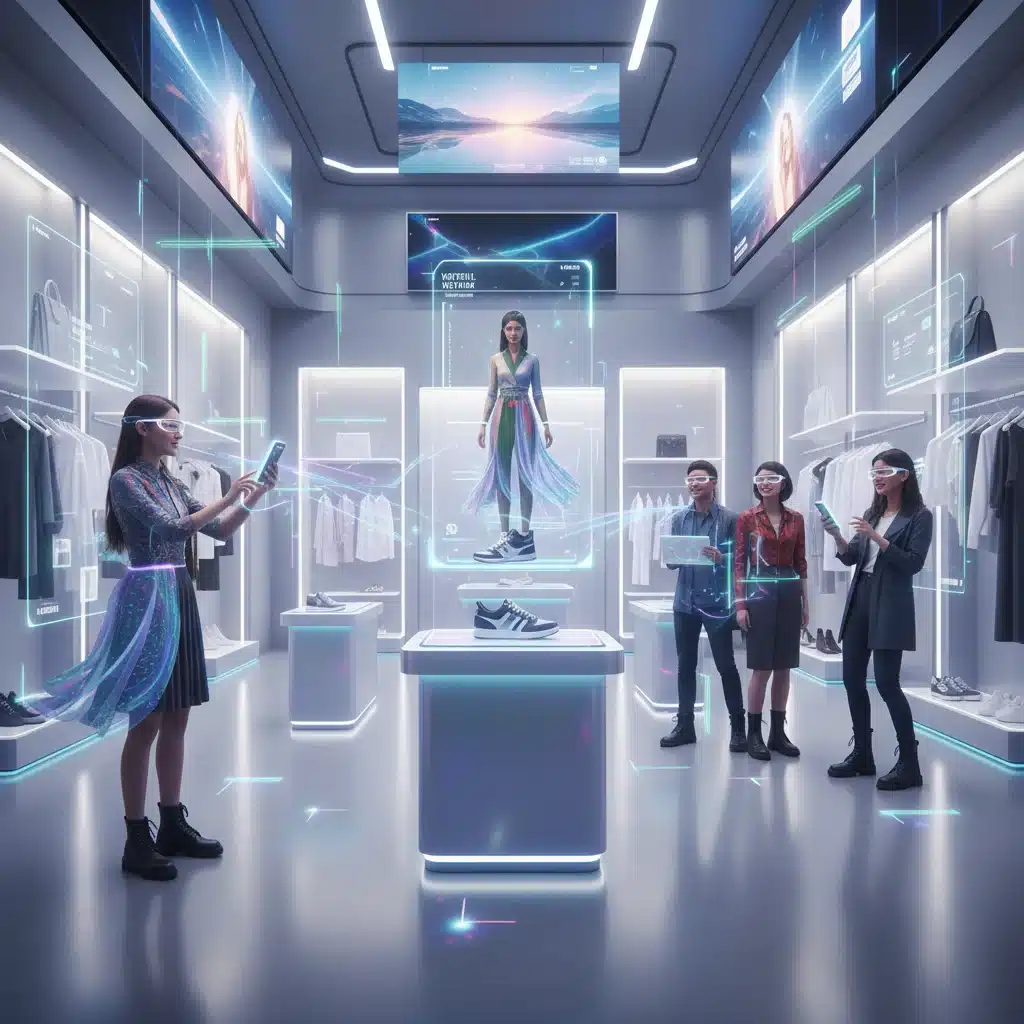
The retail landscape is in a constant state of flux, driven by technological advancements and ever-evolving consumer expectations. In the United States, one technology stands out as a true game-changer: Augmented Reality (AR). AR isn’t just a fleeting trend; it’s a powerful tool that’s fundamentally reshaping how consumers interact with brands and products. By seamlessly blending digital information with the physical world, AR offers immersive, personalized, and highly engaging experiences that traditional retail simply cannot match. This article delves into four innovative augmented reality applications that are not only enhancing consumer engagement today but are also poised to drive significant shifts in the US retail sector by 2026.
The rise of augmented reality in retail is directly linked to the desire for richer, more interactive shopping journeys. Consumers, especially younger demographics, are increasingly seeking out experiences that offer convenience, entertainment, and personalization. AR delivers on all these fronts, providing a bridge between the online and offline worlds, and empowering shoppers with more information and confidence in their purchasing decisions. From virtual try-ons to interactive product visualization, AR is creating a new paradigm for retail, making shopping more dynamic and enjoyable.
As we look towards 2026, the adoption of AR in retail is expected to accelerate dramatically. Businesses that embrace these technologies early will gain a significant competitive advantage, capturing greater market share and fostering deeper customer loyalty. The focus is no longer just on selling products, but on selling experiences, and augmented reality is at the forefront of this experiential revolution. Let’s explore the key AR innovations that are captivating US consumers and setting new benchmarks for retail engagement.
1. Virtual Try-On Experiences: Revolutionizing Fashion and Beauty
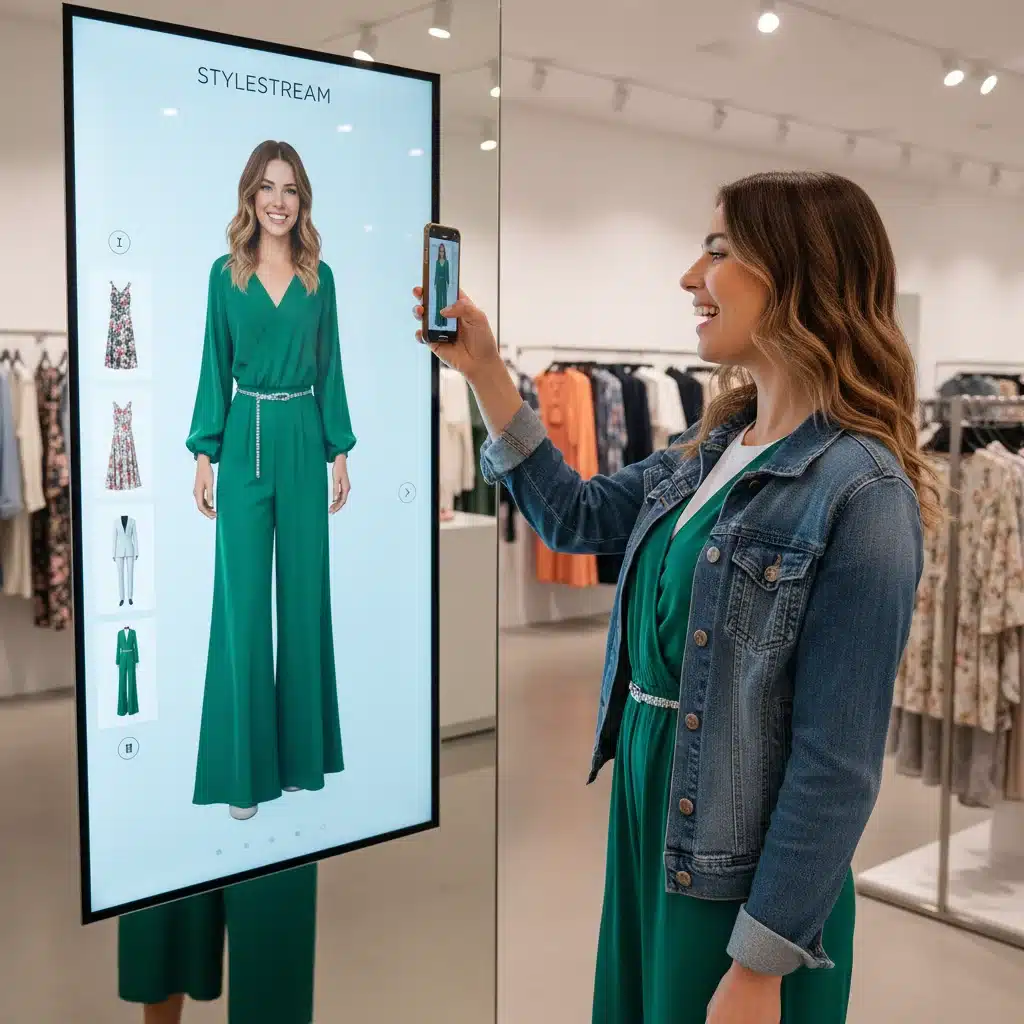
One of the most impactful applications of augmented reality in retail is the virtual try-on. This technology allows consumers to digitally “try on” clothing, accessories, makeup, and even eyewear without physically handling the items. For the fashion and beauty industries, this is a monumental shift. Imagine being able to see how a new lipstick shade looks on your face, how a pair of glasses fits, or how an entire outfit drapes on your body, all from the comfort of your home or directly in a store using a smart mirror.
The Power of Personalization and Convenience
Virtual try-on experiences address several pain points in traditional retail. Firstly, they offer unparalleled convenience. Shoppers no longer need to brave crowded changing rooms or worry about hygiene when trying on multiple items. This convenience is particularly appealing to the modern US consumer who values efficiency and seamless experiences. Secondly, it provides a high degree of personalization. AR apps can use a smartphone’s camera to map a product onto the user’s face or body with remarkable accuracy, allowing them to visualize how different items would look on them specifically.
Reducing Returns and Boosting Confidence
Beyond convenience, virtual try-ons have a tangible business impact: they significantly reduce return rates. A major challenge in e-commerce, especially for fashion and beauty, is the high volume of returns due to items not looking as expected or not fitting correctly. By allowing customers to virtually preview products, AR helps them make more informed purchasing decisions, leading to higher satisfaction and fewer returns. This not only saves retailers money but also contributes to a more sustainable retail ecosystem.
Major brands are already leveraging this technology. Sephora’s Virtual Artist, for instance, allows users to try on various makeup products, while companies like Warby Parker offer virtual try-on for eyeglasses. These examples demonstrate the immediate value and consumer appeal of such augmented reality applications. By 2026, we can expect virtual try-on to be a standard feature across most fashion, beauty, and accessory retailers, deeply embedding augmented reality in retail consumer journeys.
2. Interactive Product Visualization: Bringing Products to Life in 3D
Beyond simply trying things on, augmented reality excels at bringing products to life in a way that static images or videos cannot. Interactive product visualization allows consumers to view 3D models of products in their own environment, manipulate them, and explore every detail. This application is particularly potent for larger items like furniture, appliances, and even cars, where understanding scale, texture, and how an item fits into a space is crucial.
Enhanced Decision-Making and Spatial Understanding
For items like furniture, the challenge for online shoppers has always been visualizing how a sofa or a dining table would look in their living room. AR solves this problem by projecting a true-to-scale 3D model of the product into the user’s actual space, viewed through their smartphone or tablet camera. This allows consumers to walk around the virtual object, change its color or material, and get a realistic sense of its size and aesthetic fit within their home. This level of spatial understanding significantly enhances purchasing confidence and reduces buyer’s remorse.
Beyond Furniture: Exploring Complex Products
The benefits of interactive product visualization extend far beyond home decor. Automotive companies are using AR to allow potential buyers to explore car models, customize features, and even “test drive” them virtually. Electronics retailers can enable customers to see how a new television would look on their wall or how a sound system would fit into their entertainment setup. This detailed, hands-on (albeit virtual) exploration is invaluable for complex or high-value purchases.
Companies like IKEA have been pioneers in this space with their IKEA Place app, allowing users to virtually place furniture in their homes. Other brands are quickly following suit, recognizing that providing a rich, interactive 3D experience is key to engaging the modern consumer and differentiating themselves in a crowded market. By 2026, expect interactive product visualization to become a standard expectation for online shopping, especially for categories where physical dimensions and visual fit are critical, further solidifying the role of augmented reality in retail.
3. In-Store Navigation and Experiential Shopping: The Smart Store Revolution
Augmented reality isn’t just for online shopping; it’s also transforming the physical retail experience. In-store AR applications are creating what many are calling the “smart store,” where digital information overlays the physical environment to guide, inform, and entertain shoppers. This innovation promises to revitalize brick-and-mortar retail, making it more dynamic and engaging than ever before.
Personalized Navigation and Product Discovery
Navigating large retail spaces can often be daunting. AR-powered in-store navigation can guide customers directly to specific products, departments, or even promotions using their smartphone camera. By overlaying digital directions onto the real-world view, shoppers can efficiently find what they’re looking for, reducing frustration and improving the overall shopping journey. This is particularly useful in stores with complex layouts or for customers with limited time.
Furthermore, AR can enhance product discovery. As a customer walks through an aisle, their phone could display pop-up information about products they pass – reviews, ingredients, origin stories, or complementary items. This contextual information enriches the shopping experience, helping customers make more informed decisions and potentially discover new products they might not have considered otherwise. It turns a passive browsing experience into an active, informative one.
Gamification and Immersive Experiences
Beyond practical navigation, in-store AR can introduce elements of gamification and immersive storytelling. Retailers can create AR scavenger hunts, interactive brand narratives, or virtual activations that engage customers in playful and memorable ways. For example, a toy store could have an AR experience where virtual characters appear to interact with the physical toys, or a grocery store could offer an AR game for children while parents shop. These experiential elements not only boost engagement but also encourage longer dwell times and positive brand associations.
Retailers like Lowe’s have experimented with AR for in-store navigation and product information, while others are exploring more playful applications. The integration of augmented reality in retail stores transforms them from mere transaction points into interactive destinations, offering unique experiences that cannot be replicated online. By 2026, we anticipate a significant increase in AR-enabled smart stores, offering a blend of digital convenience and physical immersion.
4. Enhanced Digital Signage and Experiential Marketing: Captivating Audiences
Augmented reality is also revolutionizing how brands communicate with consumers through digital signage and experiential marketing campaigns. Traditional billboards and advertisements are static; AR makes them dynamic, interactive, and highly memorable. This application of augmented reality in retail is about creating spectacle and drawing consumers into a brand’s narrative in innovative ways.
Interactive Billboards and Window Displays
Imagine a bus stop advertisement that, when viewed through a smartphone app, comes to life with animated characters, product demonstrations, or even a mini-game. This is the power of AR-enhanced digital signage. Retailers can transform their window displays into interactive portals, allowing passersby to engage with products, view virtual models, or even make purchases directly from the street. This creates a “wow” factor that captures attention in a crowded urban environment and drives foot traffic into stores.
These interactive displays serve as powerful marketing tools, generating buzz and social media sharing. When an experience is unique and engaging, consumers are more likely to share it with their networks, amplifying the brand’s reach organically. It turns passive viewing into active participation, making the advertising message far more impactful.

Experiential Pop-Ups and Brand Activations
AR is also a cornerstone of modern experiential marketing. Brands are using augmented reality to create immersive pop-up experiences and brand activations that leave a lasting impression. These could range from virtual photo booths where users can pose with animated brand mascots, to interactive installations that respond to user movements and gestures, creating a personalized digital art piece or game. Such events generate significant media attention and foster a deeper emotional connection between consumers and the brand.
For example, a beverage company might create an AR experience at a festival where users can “pour” a virtual drink into their real-world glass, complete with realistic liquid physics and sound effects. Or an entertainment brand could offer an AR portal that transports users into a virtual world related to a new movie or game. These experiences are not just about showing a product; they’re about creating a memorable moment that reinforces brand values and drives emotional engagement.
By 2026, the lines between advertising, entertainment, and retail will continue to blur, with augmented reality playing a pivotal role in creating captivating and shareable brand experiences. This innovative approach to marketing will be crucial for brands looking to stand out and forge strong connections with US consumers.
The Future of AR Retail Engagement by 2026
The four applications discussed – virtual try-ons, interactive product visualization, in-store navigation, and enhanced digital signage – represent just the tip of the iceberg for augmented reality in retail. As AR technology continues to mature, becoming more accessible, realistic, and integrated into everyday devices, its impact will only grow. By 2026, we can expect to see several key trends shaping the future of AR retail engagement in the US.
Seamless Integration with E-commerce Platforms
AR will become an indispensable feature of mainstream e-commerce platforms. Major online retailers will integrate AR viewers directly into their product pages, making it effortless for consumers to utilize virtual try-on and 3D product visualization without downloading separate apps. This seamless integration will significantly increase the adoption rate of augmented reality in retail, making it a standard part of the online shopping journey rather than a niche feature.
Wider Adoption of AR-Enabled Hardware
While smartphones are currently the primary gateway to AR experiences, the coming years will see a rise in more sophisticated AR-enabled hardware. Smart glasses, offering hands-free and more immersive AR experiences, are expected to become more prevalent and affordable. This will open up new possibilities for in-store AR, allowing shoppers to navigate, receive product information, and interact with digital content without constantly looking at their phone screens. Imagine walking into a store and seeing real-time deals or product details overlaid directly onto your vision.
AI-Powered Personalization in AR Experiences
The combination of augmented reality and artificial intelligence will lead to hyper-personalized retail experiences. AI will analyze consumer preferences, browsing history, and even real-time emotional responses to tailor AR content. For instance, a virtual try-on app might recommend outfits based on your style profile, or an in-store AR guide might highlight promotions relevant to your past purchases. This level of personalized engagement will make shopping feel more intuitive and catered to individual needs, further boosting the effectiveness of augmented reality in retail.
The Metaverse and Immersive Shopping Environments
While still in its nascent stages, the concept of the metaverse holds immense potential for AR retail. By 2026, we may see early iterations of immersive shopping environments where consumers can “teleport” into virtual stores, interact with photorealistic 3D products, and even socialize with other shoppers, all powered by augmented reality and virtual reality technologies. This could create entirely new avenues for brand engagement and product discovery, blurring the lines between physical and digital commerce.
Sustainability and Efficiency Benefits
Beyond consumer engagement, augmented reality also offers significant sustainability benefits for retailers. By reducing product returns through better visualization and virtual try-ons, AR helps minimize shipping emissions and waste. Furthermore, by allowing customers to explore products virtually, retailers can potentially reduce the need for extensive physical showrooms or excessive inventory, contributing to more efficient and environmentally friendly operations. These benefits will become increasingly important as both consumers and businesses prioritize sustainable practices.
Conclusion: The Augmented Future of US Retail
Augmented reality is no longer a futuristic concept; it’s a present-day reality rapidly transforming the US retail sector. From enhancing online shopping with virtual try-ons and 3D product visualization to revitalizing physical stores with interactive navigation and experiential marketing, AR is redefining consumer engagement. These innovations are not just about novelty; they are about solving real customer pain points, building stronger brand connections, and driving measurable business results.
As we move towards 2026, the integration of augmented reality in retail will become even more sophisticated and pervasive. Retailers who embrace these technologies will be well-positioned to meet the demands of the modern consumer, offering unparalleled convenience, personalization, and immersive experiences. The future of shopping is augmented, and the brands that lead this charge will undoubtedly capture the hearts and wallets of US consumers for years to come. The era of passive shopping is over; the era of active, augmented engagement is here, promising a more exciting and efficient retail journey for everyone involved.