Augmented Reality in Retail: 2026 Trends and ROI for US Businesses
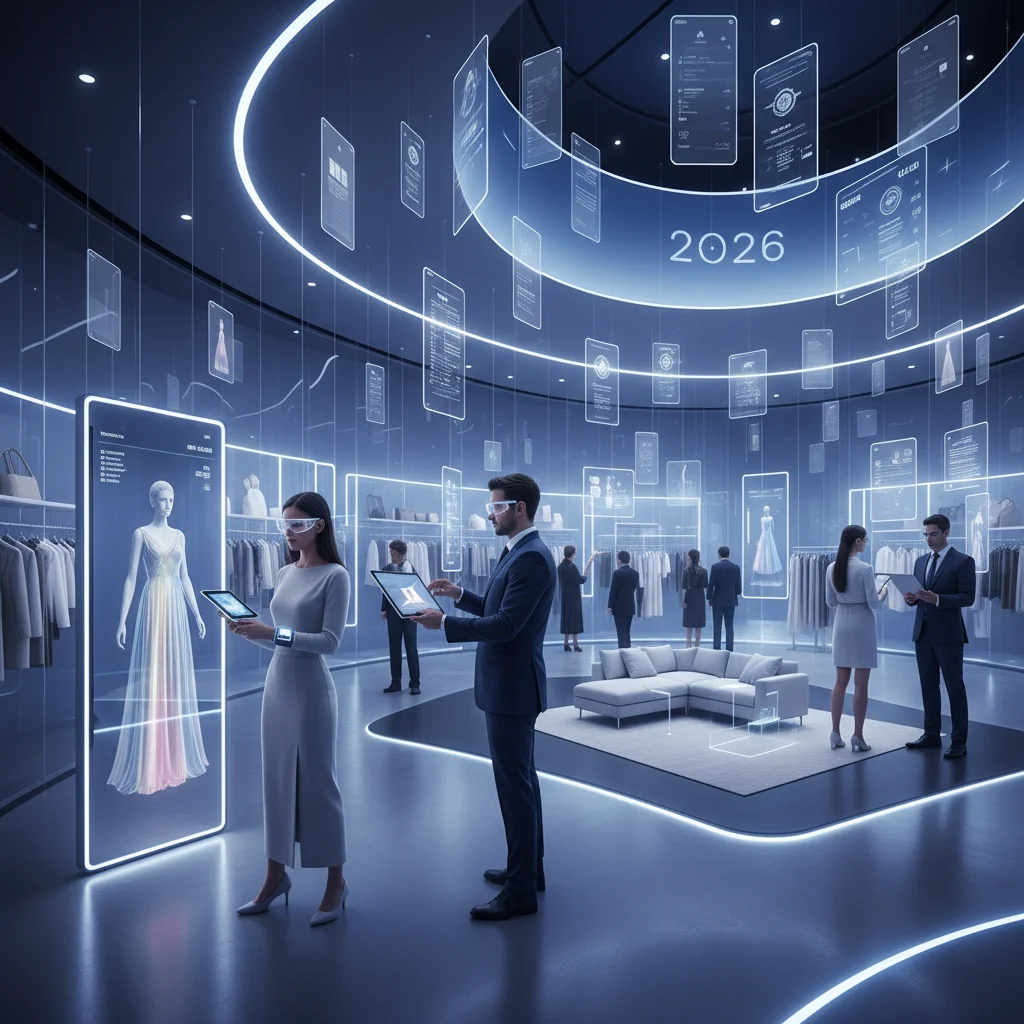
Augmented Reality in Retail: 2026 Trends and ROI for US Businesses
The retail landscape is in a constant state of flux, driven by evolving consumer expectations and rapid technological advancements. Among the myriad innovations vying for retailers’ attention, Augmented Reality (AR) stands out as a transformative force, poised to redefine how consumers interact with products and brands. Far from being a mere gimmick, AR is emerging as a critical tool for enhancing customer experiences, streamlining operations, and ultimately, boosting the bottom line for US businesses. As we cast our gaze towards 2026, the integration of AR into retail strategies is no longer a futuristic concept but a tangible imperative for sustained growth and competitiveness.
This comprehensive exploration delves into the pivotal AR retail trends that will shape the industry by 2026, offering insights into the measurable Return on Investment (ROI) that US businesses can expect. We will examine how AR is moving beyond novelty to become an indispensable component of both online and in-store shopping journeys, addressing everything from virtual try-ons to immersive product visualization and enhanced operational efficiency. Understanding these trends and their financial implications is crucial for retailers looking to stay ahead in an increasingly digitized marketplace.
The journey of AR in retail has been marked by significant progress, moving from experimental applications to sophisticated, integrated solutions. Early adopters have already demonstrated the immense potential of AR to captivate customers and drive engagement. By 2026, we anticipate a widespread adoption of AR technologies, making them a standard feature rather than a competitive differentiator. Retailers who fail to embrace these changes risk being left behind, unable to meet the demands of a tech-savvy consumer base that increasingly values immersive and personalized shopping experiences.
Our discussion will cover the technological underpinnings of these trends, the behavioral shifts they address, and the strategic considerations for implementation. We will also provide a detailed analysis of the ROI, offering concrete examples and frameworks for evaluating the financial benefits of AR investments. From reducing return rates to increasing conversion rates and fostering brand loyalty, the economic arguments for AR are compelling. For US businesses, the time to strategize and integrate AR is now, ensuring they are well-positioned to capitalize on the opportunities that 2026 and beyond will bring.
The Evolution of AR in Retail: A Historical Perspective and Future Outlook
To fully appreciate the trajectory of AR retail trends towards 2026, it’s essential to understand its evolution. Augmented Reality, a technology that overlays digital information onto the real world, has been around for decades in various forms, primarily in industrial and military applications. However, its entry into the consumer market, particularly retail, is a relatively recent phenomenon, largely propelled by the widespread adoption of smartphones and advancements in mobile computing power.
Initially, AR in retail was often perceived as a novelty. Early applications included simple filters or virtual stickers that allowed users to ‘decorate’ their surroundings. While entertaining, these early iterations lacked the depth and utility to significantly impact purchasing decisions. However, with the advent of more sophisticated SDKs (Software Development Kits) like Apple’s ARKit and Google’s ARCore, developers gained the tools to create more immersive and practical AR experiences. This marked a turning point, allowing retailers to move beyond basic entertainment to genuine utility.
By the mid-2020s, AR began to demonstrate its true potential in retail. Companies like IKEA, with their ‘Place’ app, showed how customers could visualize furniture in their homes before purchase, drastically reducing uncertainty and improving buyer confidence. Beauty brands like Sephora and L’Oréal introduced virtual try-on experiences for makeup, allowing customers to experiment with different shades and products without physical application. These early successes laid the groundwork for the accelerated adoption we anticipate by 2026.
Looking ahead to 2026, the landscape of AR retail trends will be characterized by greater integration, personalization, and sophistication. We will see AR not just as standalone apps but as embedded features within existing e-commerce platforms, social media, and even in-store infrastructure. The barrier to entry for both retailers and consumers will continue to decrease, making AR an accessible and expected part of the shopping journey. Furthermore, the convergence of AR with other emerging technologies like Artificial Intelligence (AI) and the Internet of Things (IoT) will unlock new possibilities, creating hyper-personalized and context-aware shopping environments.
The future of AR in retail is not just about visualizing products; it’s about creating richer, more informative, and emotionally engaging experiences that bridge the gap between the digital and physical worlds. This evolution will be driven by continued investment in AR research and development, coupled with a growing understanding among retailers of the strategic value and measurable ROI that AR can deliver.
Key AR Retail Trends to Watch by 2026 for US Businesses
The next few years promise a rapid acceleration in the adoption and sophistication of Augmented Reality within the US retail sector. Several key AR retail trends will dominate, fundamentally altering how consumers shop and how businesses operate. Understanding these trends is paramount for strategic planning and competitive advantage.
1. Hyper-Realistic Virtual Try-On Experiences
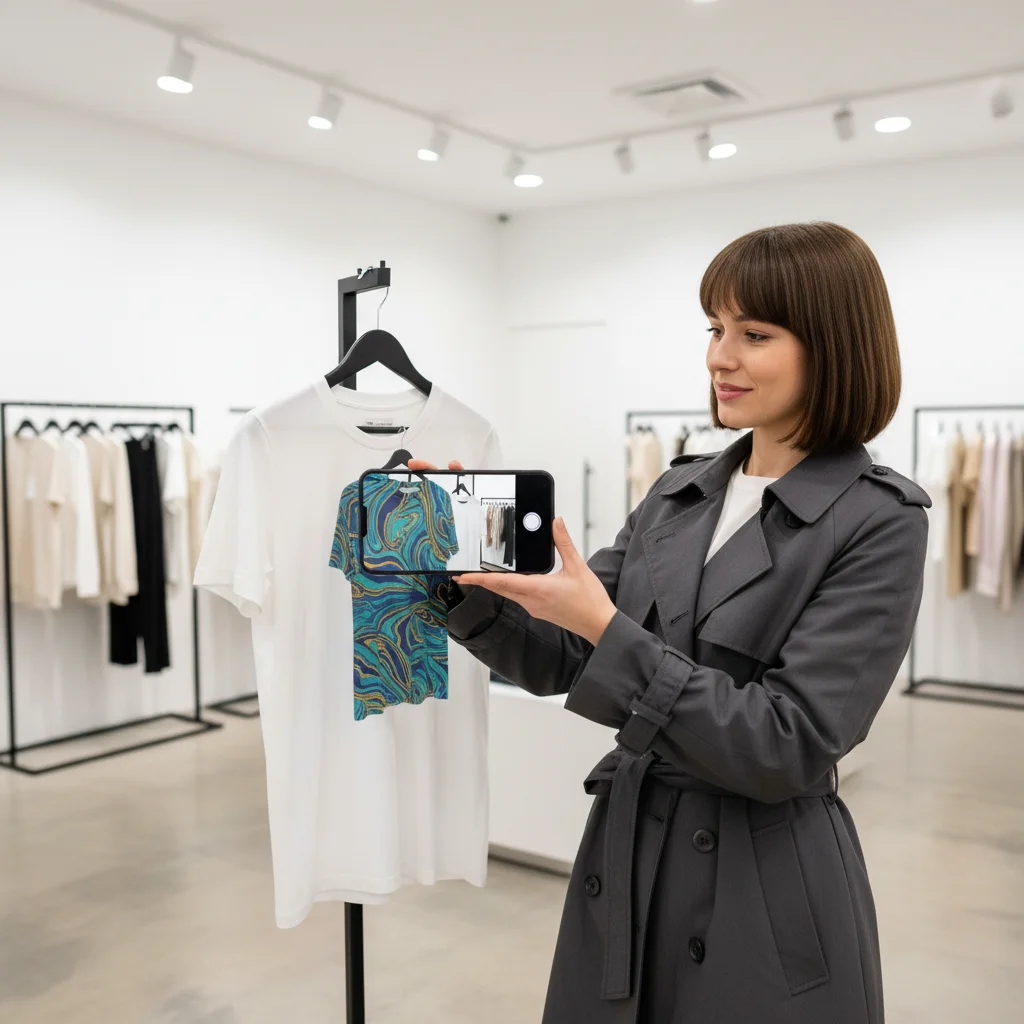
The days of guessing how clothes will fit or makeup will look are rapidly fading. By 2026, virtual try-on (VTO) will reach new levels of realism and accuracy. Advanced AR algorithms, coupled with sophisticated 3D modeling, will allow consumers to virtually ‘wear’ apparel, accessories, eyewear, and even jewelry with unprecedented precision. This goes beyond simple overlays; it will involve real-time body tracking, accurate fabric draping, and realistic lighting effects that mimic physical try-ons. For US fashion and beauty retailers, this means a significant reduction in returns due to poor fit or dissatisfaction, directly impacting profitability.
Imagine trying on a suit that dynamically adjusts to your virtual body measurements, or seeing how a new hairstyle looks on you with surprising fidelity. This capability not only enhances the online shopping experience but can also be integrated into in-store kiosks, reducing the need for physical changing rooms and improving store efficiency. The ROI here is clear: fewer returns, increased customer satisfaction, and higher conversion rates.
2. Immersive Product Visualization and Configuration
Beyond try-ons, AR will revolutionize how consumers visualize and configure products, especially for items like furniture, home appliances, and even automobiles. By 2026, AR apps will allow customers to place true-to-scale 3D models of products into their actual environments, rotating them, changing colors, and customizing features in real-time. This capability eliminates the guesswork associated with online purchases of large or complex items, significantly boosting buyer confidence.
For US home goods retailers, this means customers can virtually ‘place’ a sofa in their living room to check its size and aesthetic fit, or see how a new refrigerator looks in their kitchen. Automotive dealerships could offer AR experiences where customers customize a car’s interior and exterior, then ‘see’ it parked in their driveway. This immersive visualization leads to more informed purchasing decisions, reducing post-purchase dissonance and improving customer loyalty. The ROI stems from increased sales, reduced buyer’s remorse, and a more efficient sales process.
3. AR-Powered Navigation and In-Store Experiences
While online shopping benefits greatly from AR, physical retail stores are also ripe for transformation. By 2026, AR will play a crucial role in enhancing the in-store experience, offering personalized navigation, product information, and interactive displays. Shoppers will be able to use their smartphones or smart glasses to navigate complex store layouts, locate specific products, and receive contextual information such as product reviews, ingredients, or complementary items.
This trend addresses common pain points in large retail environments, such as finding specific items or understanding product details. Imagine pointing your phone at a shelf and seeing instant dietary information for food products, or customer reviews for electronics. Retailers can also leverage AR for interactive storytelling, bringing products to life with animated features or brand narratives. For US brick-and-mortar stores, this translates to improved customer service without increasing staff, enhanced engagement, and a more efficient shopping journey, driving both satisfaction and sales.
4. Gamified AR Shopping and Loyalty Programs
The intersection of AR and gamification will become a powerful tool for customer engagement and loyalty by 2026. Retailers will leverage AR to create interactive games, scavenger hunts, and personalized challenges that encourage discovery and repeat purchases. Think of AR treasure hunts in a mall leading to exclusive discounts, or collecting virtual badges that unlock loyalty rewards.
This trend taps into the desire for entertainment and novelty, transforming shopping from a transactional activity into an engaging experience. For US brands, gamified AR can significantly increase dwell time, foster deeper brand connection, and drive repeat visits or purchases. The ROI here is seen in enhanced brand loyalty, increased customer lifetime value, and valuable data collection on customer preferences and behaviors.
5. AR for Enhanced Operational Efficiency and Training
Beyond the customer-facing applications, AR will also see increased adoption in back-end retail operations by 2026. This includes using AR for warehouse management, inventory tracking, employee training, and even store layout optimization. Workers equipped with AR smart glasses can receive real-time instructions for picking and packing orders, identifying inventory discrepancies, or performing maintenance tasks.
This trend offers substantial benefits in terms of efficiency, accuracy, and cost reduction. For US retailers, AR can streamline complex logistical processes, reduce training time for new employees, and minimize errors in inventory management. The ROI comes from reduced operational costs, improved productivity, and a more agile supply chain, ultimately contributing to higher profit margins.
Measuring the ROI of AR in Retail: A Strategic Imperative
While the allure of cutting-edge technology is strong, US businesses need concrete evidence of financial returns to justify AR investments. The good news is that the ROI of Augmented Reality in retail is becoming increasingly tangible and measurable across several key performance indicators (KPIs). By 2026, robust frameworks for evaluating AR’s impact will be standard practice.
1. Increased Conversion Rates
One of the most direct impacts of AR is on conversion rates. When customers can visualize products more effectively, whether through virtual try-on or immersive placement, their confidence in making a purchase decision increases significantly. Studies have shown that AR experiences can boost conversion rates by as much as 20-30% or even higher for certain product categories. For US e-commerce businesses, this directly translates to more sales from the same amount of traffic, offering a clear and immediate return.
Consider a furniture retailer: a customer using an AR app to place a sofa in their living room is far more likely to complete the purchase than one relying solely on static images and dimensions. This reduction in purchase friction is a powerful driver of conversion.
2. Reduced Return Rates
Returns are a significant cost for retailers, encompassing shipping, restocking, and potential loss of product value. AR, particularly virtual try-on and product visualization features, directly addresses this pain point by minimizing discrepancies between customer expectations and the actual product. When customers have a more accurate understanding of how an item will look or fit before buying, they are less likely to return it.
For US apparel retailers, a virtual try-on experience that accurately depicts fit and style can drastically cut down on returns due to sizing issues or dissatisfaction with appearance. Similarly, for home goods, AR visualization prevents returns caused by items not fitting physically or aesthetically in a customer’s space. The ROI here is quantifiable in terms of reduced logistics costs, lower inventory write-offs, and improved customer satisfaction.
3. Enhanced Customer Engagement and Brand Loyalty
AR experiences are inherently engaging and memorable. They offer a novel way for customers to interact with brands and products, fostering a deeper connection. This enhanced engagement can lead to increased customer lifetime value (CLV) and stronger brand loyalty. When customers have a positive and unique experience with a brand, they are more likely to return, recommend the brand to others, and become advocates.
While harder to quantify directly in dollars, increased engagement and loyalty translate into sustained revenue streams and reduced customer acquisition costs over time. For US brands looking to differentiate themselves in a crowded market, AR provides a powerful tool for building lasting relationships with their customer base.
4. Improved Average Order Value (AOV)
By providing richer product information and enabling better visualization of complementary items, AR can also contribute to an increased Average Order Value (AOV). When customers can easily see how different products work together or how an upgraded version of an item looks, they may be encouraged to purchase more or opt for higher-value options.
For example, an AR app for a home electronics store might allow a customer to visualize an entire home theater setup, including a TV, soundbar, and speakers, rather than just purchasing a single TV. This cross-selling and upselling potential, facilitated by AR, directly contributes to higher revenue per transaction.
5. Operational Cost Savings
As discussed, AR’s utility extends to back-end operations. By improving efficiency in areas like warehouse management, inventory control, and employee training, AR can lead to significant operational cost savings. Reduced errors, faster training cycles, and optimized logistics all contribute to a leaner, more profitable operation.
For large US retail chains, even small improvements in operational efficiency across numerous stores or distribution centers can result in substantial savings annually. The ROI here is a direct reduction in overhead and an increase in overall productivity.

Implementing AR: Best Practices for US Businesses
Successfully integrating AR into a retail strategy requires more than just adopting the technology; it demands a thoughtful approach to implementation. For US businesses looking to capitalize on AR retail trends by 2026, adhering to best practices is crucial for maximizing ROI and ensuring a seamless customer experience.
1. Define Clear Objectives and KPIs
Before embarking on any AR project, clearly define what you aim to achieve. Is it to reduce returns, increase conversion, enhance brand engagement, or streamline operations? Establishing specific, measurable, achievable, relevant, and time-bound (SMART) objectives and corresponding Key Performance Indicators (KPIs) will guide your strategy and allow for accurate ROI measurement. For instance, if the goal is to reduce returns, track the return rate for products offering AR visualization versus those that don’t.
2. Focus on User Experience (UX)
The success of any AR application hinges on its usability. The experience must be intuitive, seamless, and add genuine value to the customer journey. Clunky interfaces, slow loading times, or inaccurate AR overlays will quickly deter users. Invest in user-centric design, conduct thorough testing, and gather feedback to continually refine the AR experience. Remember, AR should enhance, not complicate, the shopping process.
3. Start Small, Scale Smart
It’s rarely advisable to launch a full-scale, complex AR solution across all product lines at once. Begin with a pilot program focusing on a specific product category or a targeted customer segment. This allows for testing, learning, and optimization before a broader rollout. For US retailers, identifying high-return products or items that benefit most from visualization (e.g., furniture, shoes, cosmetics) can be an excellent starting point.
4. Invest in High-Quality 3D Models
The realism and accuracy of AR experiences depend heavily on the quality of 3D product models. Low-resolution, poorly textured, or inaccurately scaled models will undermine the entire experience. Invest in professional 3D scanning and modeling services to ensure your virtual products are indistinguishable from their physical counterparts. This is particularly critical for virtual try-on and product placement applications where visual fidelity directly impacts user trust and purchase intent.
5. Integrate with Existing Platforms
Standalone AR apps can be effective, but integrating AR capabilities directly into your existing e-commerce website, mobile app, or even in-store kiosks offers a more seamless experience. This reduces friction for the user, as they don’t need to download a separate application. For US businesses, leveraging popular platforms with AR capabilities (e.g., Snapchat, Instagram, Shopify with AR features) can also extend reach and simplify implementation.
6. Train Staff and Promote Adoption
For in-store AR solutions, ensure your staff are well-trained on how to use and demonstrate the technology. Their ability to guide customers and explain the benefits will be crucial for adoption. For online AR, actively promote the feature through marketing campaigns, social media, and clear calls to action on product pages. Educating customers on how AR can enhance their shopping will drive usage.
7. Stay Agile and Adapt
The AR landscape is constantly evolving. Be prepared to iterate, adapt, and experiment with new features and technologies. Monitor user analytics, gather feedback, and stay informed about emerging AR retail trends to ensure your strategy remains relevant and effective. An agile approach will allow US businesses to continuously optimize their AR investments and maintain a competitive edge.
The Future is Augmented: Preparing for 2026 and Beyond
As we look towards 2026, the message for US retailers is clear: Augmented Reality is no longer an optional add-on but a fundamental component of a successful retail strategy. The convergence of technological advancements, evolving consumer expectations, and demonstrable ROI makes AR an indispensable tool for enhancing customer experiences, driving sales, and optimizing operations.
The AR retail trends discussed – from hyper-realistic virtual try-ons and immersive product visualization to AR-powered in-store navigation and operational efficiencies – paint a picture of a retail future that is more interactive, personalized, and efficient. Retailers who embrace these trends proactively will not only meet but exceed customer expectations, fostering deeper brand loyalty and securing a significant competitive advantage.
The investment in AR technologies, while requiring initial capital, promises substantial returns through increased conversion rates, reduced returns, higher average order values, and significant operational cost savings. The key to unlocking this ROI lies in strategic implementation, focusing on user experience, leveraging high-quality 3D assets, and continuously adapting to the evolving technological landscape.
For US businesses, the time to act is now. Start exploring AR solutions, identify pilot projects, and begin integrating this powerful technology into your broader digital and physical retail ecosystems. By doing so, you can ensure your business is not just prepared for 2026 but is leading the charge in shaping the future of retail, delivering unparalleled value to customers and shareholders alike. The augmented future of retail is here, and those who embrace it will thrive.