Smart Home IoT Integration: 5 Practical Solutions for US Homeowners in 2026
5 Practical Solutions for Integrating IoT Devices into Smart Homes: A 2026 Guide for US Homeowners
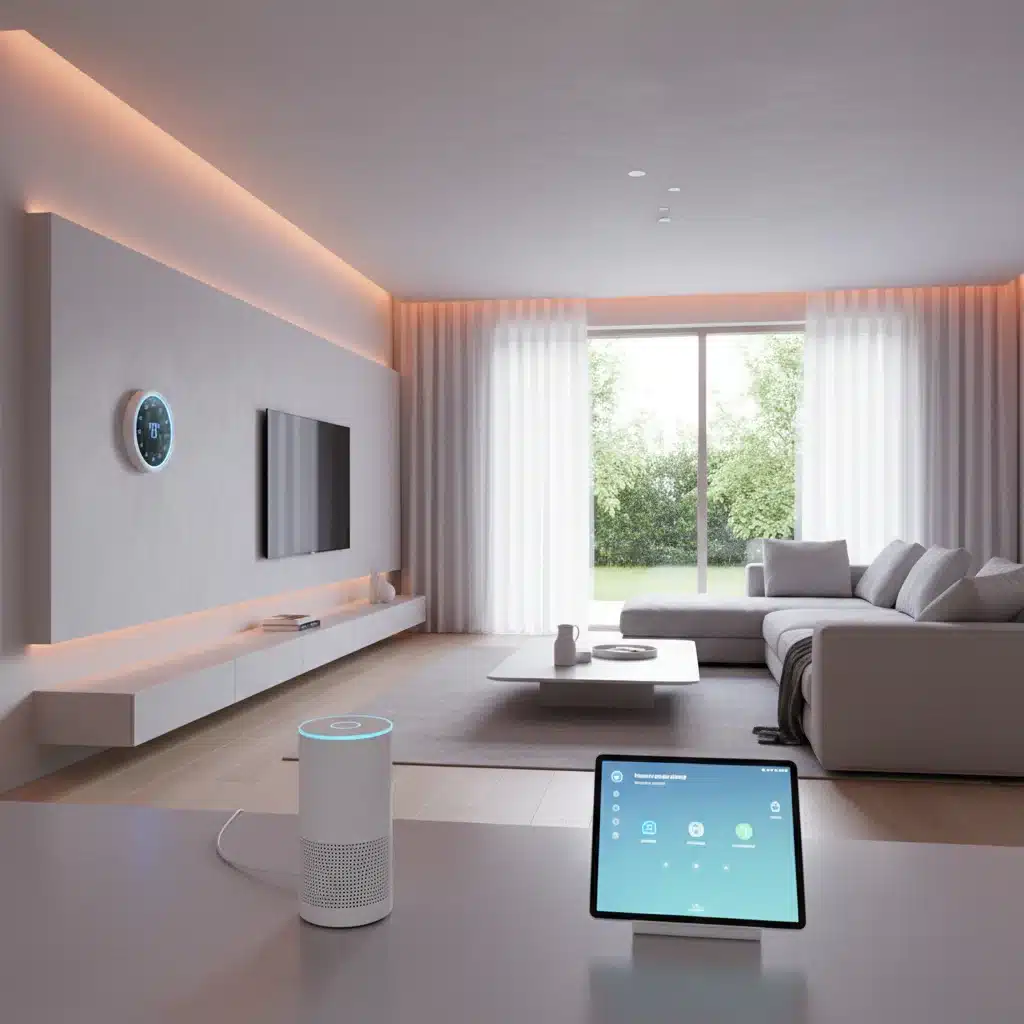
The dream of a truly connected home, where every device communicates seamlessly to enhance comfort, security, and efficiency, is no longer a futuristic fantasy. For US homeowners in 2026, smart home IoT integration is a tangible reality, offering unparalleled convenience and control. However, navigating the vast and often fragmented landscape of Internet of Things (IoT) devices can be daunting. From smart thermostats and lighting systems to security cameras and entertainment hubs, the sheer variety demands a strategic approach to ensure everything works together harmoniously.
This comprehensive guide delves into five practical solutions for achieving robust and efficient smart home IoT integration. We’ll explore the underlying technologies, best practices, and considerations that will empower you to build a cohesive and future-proof smart home ecosystem. Whether you’re just starting your smart home journey or looking to optimize an existing setup, understanding these solutions is crucial for unlocking the full potential of your connected living space.
The Evolving Landscape of Smart Home IoT in 2026
Before we dive into specific solutions, it’s essential to grasp the current state of smart home IoT. The market in 2026 is characterized by increased device sophistication, greater emphasis on AI and machine learning for predictive automation, and a growing push towards open standards. Interoperability, once a major hurdle, is becoming more attainable, thanks to initiatives like Matter and widespread adoption of cloud-based platforms. Consumers are seeking not just individual smart gadgets, but integrated systems that offer a holistic smart living experience.
For US homeowners, this means more choices, but also a greater need for informed decisions. The goal is to move beyond a collection of disparate smart devices to a truly intelligent home that anticipates your needs, conserves energy, and keeps you secure. Achieving effective smart home IoT integration is the cornerstone of this vision.
Solution 1: Embracing a Unified Smart Home Hub or Controller
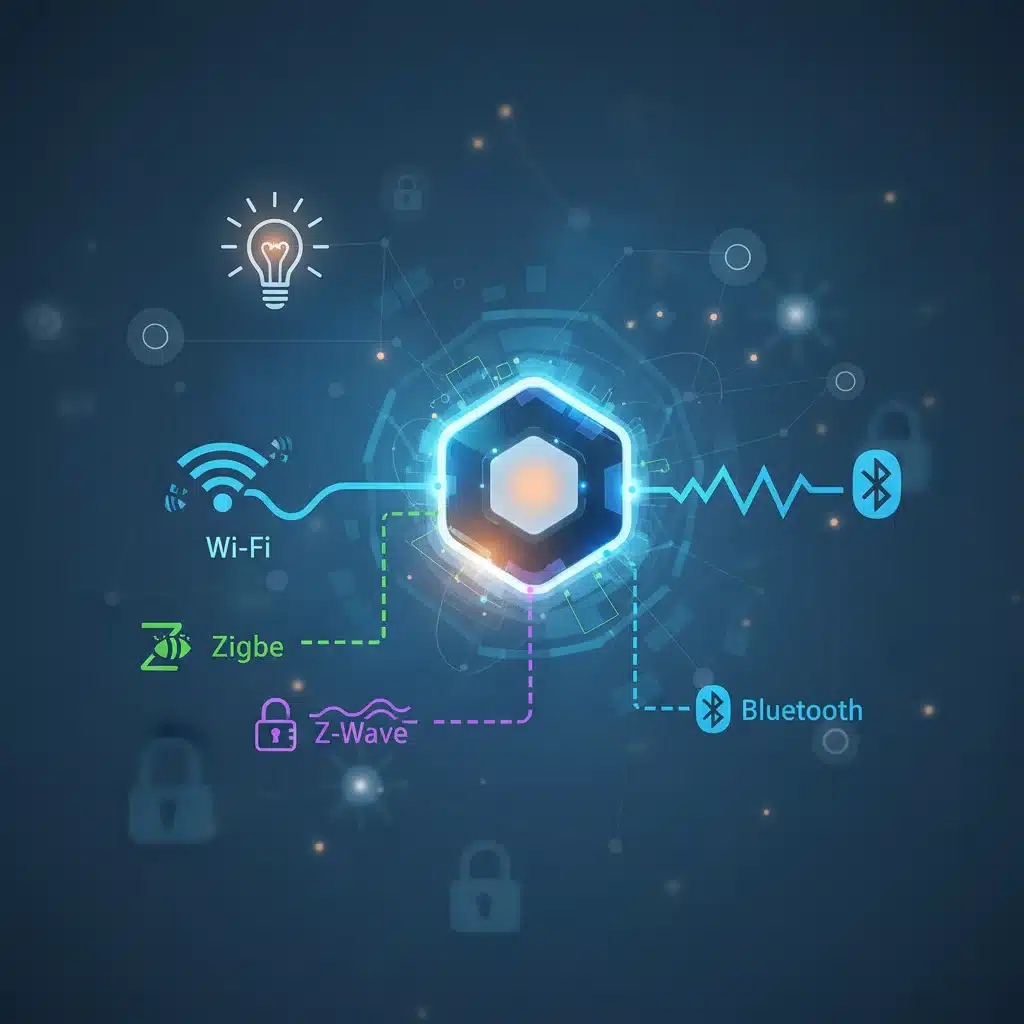
One of the most foundational solutions for successful smart home IoT integration is the adoption of a central smart home hub or controller. Think of this as the brain of your smart home, enabling different devices to communicate with each other, even if they use different manufacturers or communication protocols. In 2026, these hubs are more powerful and versatile than ever before.
Why a Unified Hub is Crucial
- Centralized Control: Instead of managing multiple apps for different devices, a hub provides a single interface for all your connected tech.
- Interoperability: Many hubs act as translators, allowing devices using Zigbee, Z-Wave, Wi-Fi, and Bluetooth to interact.
- Automation and Scenes: Hubs enable complex automation routines (e.g., “Good Morning” scene that opens blinds, turns on lights, and starts coffee) and conditional logic.
- Local Processing: Some advanced hubs offer local processing, meaning certain automations can run even if your internet connection is down, improving reliability and responsiveness.
- Enhanced Security: A dedicated hub can often provide more robust security features and privacy controls than individual device apps.
Leading Smart Home Hubs in 2026 for US Homeowners
As of 2026, several platforms stand out for their capabilities in smart home IoT integration:
- Samsung SmartThings: Continues to be a strong contender, supporting a wide array of Zigbee, Z-Wave, and Wi-Fi devices. Its open platform and extensive device compatibility make it a popular choice for those seeking flexibility.
- Hubitat Elevation: Known for its local processing capabilities and strong community support, Hubitat appeals to users who prioritize privacy, speed, and advanced customization without relying heavily on cloud services.
- Home Assistant: An open-source powerhouse, Home Assistant offers unparalleled customization and control for tech-savvy users. It integrates with virtually everything and can be run on a Raspberry Pi or other mini-computers, providing maximum flexibility and data privacy.
- Apple HomeKit (via HomePod/Apple TV): For Apple ecosystem users, HomeKit offers seamless integration with Siri and other Apple devices. While traditionally more closed, its support for Matter is significantly expanding its reach.
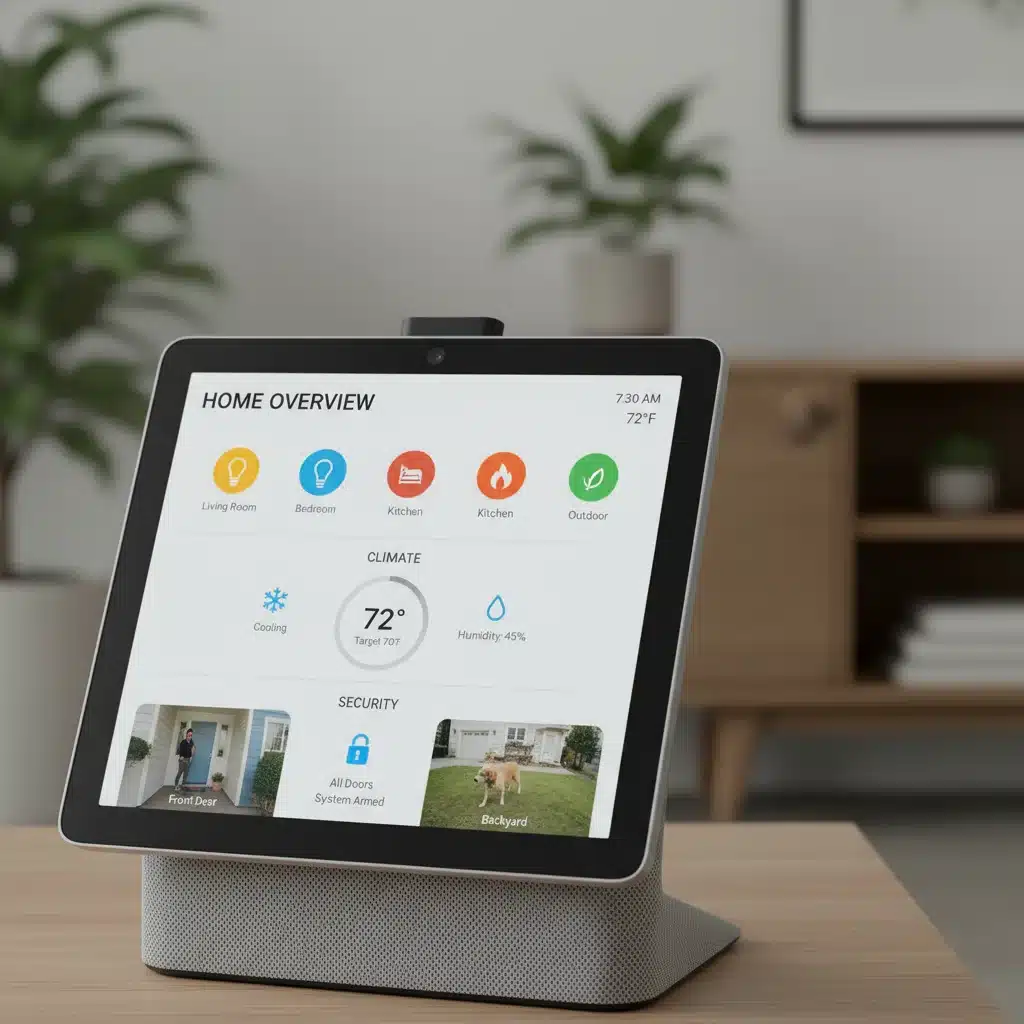
- Amazon Alexa and Google Home Ecosystems: While primarily voice assistants, devices like the Echo Show and Google Nest Hub Max increasingly serve as de facto hubs, supporting a growing number of protocols and offering robust automation features, especially with Matter.
When selecting a hub, consider your existing devices, technical comfort level, and future expansion plans. A well-chosen hub is the bedrock of effective smart home IoT integration.
Solution 2: Prioritizing Interoperability with Open Standards like Matter
Historically, a major headache in smart home IoT integration has been the lack of interoperability. Devices from different manufacturers often couldn’t communicate, leading to fragmented systems and user frustration. Enter Matter, a new open-source connectivity standard backed by major players like Apple, Google, Amazon, and Samsung. Matter is a game-changer for 2026 and beyond.
How Matter Simplifies Integration
- Universal Language: Matter aims to be the universal language for smart home devices, allowing products from different brands to work together seamlessly, regardless of their underlying technology (Wi-Fi, Thread, Ethernet).
- Simplified Setup: Devices supporting Matter are designed for easy setup, often involving a simple QR code scan.
- Local Control: Matter emphasizes local control, meaning devices can communicate directly with each other without always relying on the cloud, improving speed and reliability.
- Enhanced Security: Built with robust security features from the ground up, Matter offers improved privacy and protection for your smart home network.
- Future-Proofing: Investing in Matter-certified devices helps future-proof your smart home, ensuring compatibility with upcoming innovations.
Strategies for Adopting Matter
For US homeowners looking to optimize their smart home IoT integration, here’s how to leverage Matter:
- Look for Matter Certification: When purchasing new devices, prioritize those with the Matter logo. This guarantees compatibility with other Matter-certified products and major smart home platforms.
- Utilize Matter Controllers: Your existing smart home hub (e.g., Apple HomePod Mini, Google Nest Hub, Amazon Echo (4th Gen and newer), SmartThings Hub V3) may already function as a Matter controller or will receive an update to do so. These controllers facilitate communication between Matter devices and your preferred smart home ecosystem.
- Consider Thread Border Routers: Matter often leverages Thread, a low-power mesh networking protocol. Devices like certain HomePods, Nest Hubs, and Echos can act as Thread Border Routers, extending your Thread network and improving device responsiveness.
- Phased Transition: You don’t need to replace all your devices overnight. As you upgrade or expand your smart home, gradually introduce Matter-certified products to build a truly interoperable ecosystem.
Matter is arguably the most significant advancement in smart home IoT integration in recent years, promising a much smoother and more reliable experience for consumers.
Solution 3: Leveraging Cloud-Based Platforms and IFTTT for Advanced Automation
While local control is gaining traction, cloud-based platforms and services remain indispensable for advanced smart home IoT integration, particularly for cross-platform automation and remote access. These solutions bridge the gaps between disparate devices and services, offering powerful customization.
The Power of Cloud-Based Integration
- Remote Access: Control your smart home from anywhere in the world via your smartphone or web browser.
- Cross-Platform Compatibility: Many cloud platforms support a vast ecosystem of devices, allowing you to integrate products that might not natively communicate.
- Advanced Automation Logic: Create complex routines and conditional automations that go beyond basic device-to-device interactions.
- Voice Assistant Integration: Seamlessly connect your smart devices with Amazon Alexa, Google Assistant, or Apple Siri for voice control.
- Data Analytics and Insights: Some platforms offer data logging and analysis, providing insights into energy consumption, usage patterns, and more.
Key Cloud-Based Integration Tools
- IFTTT (If This Then That): IFTTT remains a popular choice for creating simple yet powerful applets (automated routines) that connect different web services and smart devices. For example, “If my smart doorbell detects motion, then flash my smart lights red.” It’s incredibly versatile for linking services that don’t have native integration.
- SmartThings Cloud: Even with a local hub, SmartThings leverages its cloud infrastructure for remote access, complex automations, and integration with a broad range of partner devices and services.
- Google Home/Amazon Alexa Routines: These voice assistant platforms have sophisticated routine builders that allow you to string together actions from various connected devices, often incorporating time-based triggers, location awareness, and voice commands.
- Home Assistant Cloud (Nabu Casa): While Home Assistant itself is local, its optional Nabu Casa cloud service provides secure remote access, voice assistant integration, and other cloud-dependent features, balancing local control with cloud convenience.
When implementing cloud-based solutions for smart home IoT integration, always prioritize security. Use strong, unique passwords, enable two-factor authentication, and be mindful of the data you’re sharing with third-party services.
Solution 4: Optimizing Your Home Network for IoT Devices
A robust and well-configured home network is the unsung hero of effective smart home IoT integration. With dozens, if not hundreds, of connected devices vying for bandwidth and a stable connection, your Wi-Fi router and network setup play a critical role in performance and reliability. In 2026, network optimization is more important than ever.
Network Considerations for Smart Homes
- Bandwidth Management: IoT devices, especially cameras and streaming devices, can consume significant bandwidth. Ensure your internet plan can handle the load.
- Wi-Fi Coverage: Smart homes often extend to every corner of the house, requiring excellent Wi-Fi coverage. Dead zones can lead to unresponsive devices.
- Device Limit: Standard consumer routers can struggle with a large number of connected devices. Enterprise-grade or mesh Wi-Fi systems are often necessary.
- Security: Each connected device is a potential entry point for cyber threats. A secure network is paramount.
Practical Network Optimization Tips for US Homeowners
- Upgrade to a Mesh Wi-Fi System: For larger homes or those with many devices, a mesh Wi-Fi system (e.g., Google Nest Wifi Pro, Eero, TP-Link Deco) provides seamless coverage, better bandwidth distribution, and often handles more connected devices than a single router. This is a top recommendation for reliable smart home IoT integration.
- Utilize Both 2.4GHz and 5GHz Bands: Many IoT devices (especially older ones) only support 2.4GHz Wi-Fi, which has a longer range but lower speed. Newer devices and those requiring higher bandwidth (like cameras) benefit from 5GHz. Ensure your router supports both and intelligently manages device connections.
- Create a Dedicated IoT Network (VLAN/Guest Network): For enhanced security, consider creating a separate network (VLAN or guest network) specifically for your IoT devices. This isolates them from your main network, protecting your personal computers and sensitive data in case an IoT device is compromised.
- Implement Strong Network Security: Change default router passwords, use WPA3 encryption (if available), keep router firmware updated, and consider a firewall. Regular security audits are also advisable.
- Consider Wired Connections for Stationary Devices: For devices like smart TVs, gaming consoles, or stationary hubs that don’t move, a wired Ethernet connection offers superior speed and reliability, freeing up Wi-Fi bandwidth for mobile and truly wireless IoT devices.
- Address Signal Interference: Position your router centrally, away from large metal objects, microwaves, and other electronics that can cause interference.
A stable and secure network is the backbone of any successful smart home IoT integration. Don’t overlook this critical aspect.
Solution 5: Prioritizing Security and Privacy in Your Smart Home
As the number of connected devices in your home grows, so does the attack surface for potential cyber threats. Security and privacy are paramount concerns for smart home IoT integration in 2026. Neglecting these aspects can lead to data breaches, unauthorized access, and a compromise of your personal space.
The Risks of Insecure IoT
- Data Breaches: Smart devices collect vast amounts of personal data (usage patterns, voice commands, video feeds) that can be exploited if not properly secured.
- Unauthorized Access: Vulnerable devices can be hijacked by malicious actors, potentially giving them control over your home’s lighting, locks, or cameras.
- DDoS Attacks: Compromised IoT devices can be co-opted into botnets to launch distributed denial-of-service (DDoS) attacks, impacting internet services.
- Privacy Concerns: Constant monitoring and data collection, even if benign, can raise privacy concerns if not managed transparently.
Best Practices for Smart Home Security and Privacy
- Strong, Unique Passwords: This is the most basic yet crucial step. Use complex, unique passwords for every smart device, Wi-Fi network, and online account. A password manager can help.
- Enable Two-Factor Authentication (2FA): Where available, enable 2FA for all your smart home accounts. This adds an extra layer of security, making it much harder for unauthorized users to gain access.
- Keep Firmware Updated: Manufacturers regularly release firmware updates to patch security vulnerabilities. Enable automatic updates or check for them manually for all your smart devices and hubs.
- Research Device Security Features: Before purchasing, investigate a device’s security and privacy policies. Look for features like end-to-end encryption, local processing options, and clear data handling practices.
- Understand Data Collection: Be aware of what data your smart devices are collecting and how it’s being used. Review privacy settings and opt-out of unnecessary data sharing.
- Isolate IoT Devices (VLAN): As mentioned in Solution 4, creating a separate network (VLAN or guest network) for your IoT devices can contain potential breaches, preventing them from spreading to your main network.
- Disable Unnecessary Features: If a device has features you don’t use (e.g., a microphone on a device that doesn’t need voice control), disable them to reduce the attack surface.
- Regular Security Audits: Periodically review your smart home setup, check device logs for unusual activity, and ensure all security settings are optimized.
- Physical Security: Don’t forget physical security. Ensure your smart home hub is in a secure location and inaccessible to unauthorized individuals.
By making security and privacy a top priority, US homeowners can enjoy the benefits of smart home IoT integration with peace of mind, knowing their data and home are protected.
The Future of Smart Home IoT Integration for US Homeowners
As we look beyond 2026, the trajectory of smart home IoT integration points towards even greater intelligence, autonomy, and personalization. Artificial intelligence and machine learning will become more deeply embedded, allowing homes to learn user preferences and proactively adjust environments without explicit commands. Predictive maintenance, advanced energy management, and hyper-personalized experiences will become standard.
The continued evolution of standards like Matter, coupled with increasing computational power at the edge (on devices themselves), will lead to more robust local control, reducing reliance on cloud services for critical functions and enhancing privacy. Furthermore, the integration of health and wellness monitoring into the smart home ecosystem will provide new avenues for proactive care and improved quality of life.
For US homeowners, staying informed about these advancements and continuously evaluating their smart home setup against the latest solutions will be key to maximizing the benefits of connected living. The goal is not just to have smart devices, but to create a truly intelligent, responsive, and secure home that adapts to your life.
Conclusion
Achieving seamless and secure smart home IoT integration in 2026 requires a thoughtful and strategic approach. By embracing a unified smart home hub, prioritizing interoperability with open standards like Matter, leveraging cloud-based platforms for advanced automation, optimizing your home network, and making security and privacy paramount, US homeowners can unlock the full potential of their connected living spaces.
The journey to a truly smart home is ongoing, but with these five practical solutions, you are well-equipped to build an ecosystem that enhances comfort, boosts efficiency, and provides unparalleled control over your environment. The future of smart living is here, and with the right integration strategies, it’s more accessible and powerful than ever before.
Frequently Asked Questions about Smart Home IoT Integration
- What is the most important thing for smart home IoT integration?
- The most important aspect is choosing a central hub or platform that supports a wide range of devices and protocols (like Matter). This ensures interoperability and allows all your devices to communicate and work together seamlessly.
- How can I make sure my smart home devices are secure?
- Prioritize strong, unique passwords, enable two-factor authentication, keep device firmware updated, and consider creating a separate network (VLAN or guest network) for your IoT devices to isolate them from your main network. Always research a device’s security features before purchasing.
- What is Matter, and why is it important for smart homes?
- Matter is a new open-source connectivity standard designed to be a universal language for smart home devices. It’s crucial because it enables products from different brands to work together seamlessly, simplifies setup, and emphasizes local control and enhanced security, significantly improving smart home IoT integration.
- Do I need a smart home hub if I have Alexa or Google Home?
- While Amazon Alexa and Google Home devices can act as basic controllers and often have built-in hub functionalities (especially newer models with Matter support), a dedicated smart home hub (like SmartThings or Hubitat) often offers more advanced local processing, complex automation capabilities, and broader support for specific protocols like Z-Wave and Zigbee, which might not be fully covered by voice assistants alone.
- How can I improve my Wi-Fi for better smart home performance?
- Consider upgrading to a mesh Wi-Fi system for better coverage, utilize both 2.4GHz and 5GHz bands, create a dedicated IoT network, and ensure strong network security with updated firmware. Strategically placing your router and minimizing interference are also key.