Blockchain Beyond Crypto: 4 Enterprise Applications Gaining Traction in the US by 2026

In the vast and rapidly evolving landscape of technological innovation, few concepts have captured the public imagination and investor interest quite like blockchain. Initially synonymous with cryptocurrencies like Bitcoin, blockchain technology has quietly, yet profoundly, begun to transcend its origins. Today, we stand at the precipice of a new era where enterprise blockchain applications are not just theoretical concepts but tangible solutions actively reshaping industries across the United States. By 2026, the impact of these enterprise blockchain applications will be undeniable, establishing new benchmarks for efficiency, security, and transparency.
The journey of blockchain from a niche financial technology to a versatile enterprise tool has been marked by significant advancements and a growing understanding of its underlying strengths. Its decentralized, immutable, and transparent ledger system offers a compelling alternative to traditional centralized databases, promising to solve long-standing challenges in data integrity, trust, and operational bottlenecks. As businesses in the US seek competitive advantages and innovative ways to navigate complex global markets, the adoption of enterprise blockchain applications is accelerating at an unprecedented pace.
This article delves into four pivotal areas where enterprise blockchain applications are not merely gaining traction but are poised to redefine operational paradigms and customer experiences within the US by 2026. We will explore how blockchain is moving beyond its crypto roots to offer robust, scalable solutions that address real-world business needs, from securing supply chains to revolutionizing digital identity management. Prepare to discover the transformative power of enterprise blockchain, a technology that is no longer just about digital money, but about building a more efficient, secure, and trustworthy digital future.
1. Revolutionizing Supply Chain Transparency and Traceability with Enterprise Blockchain Applications
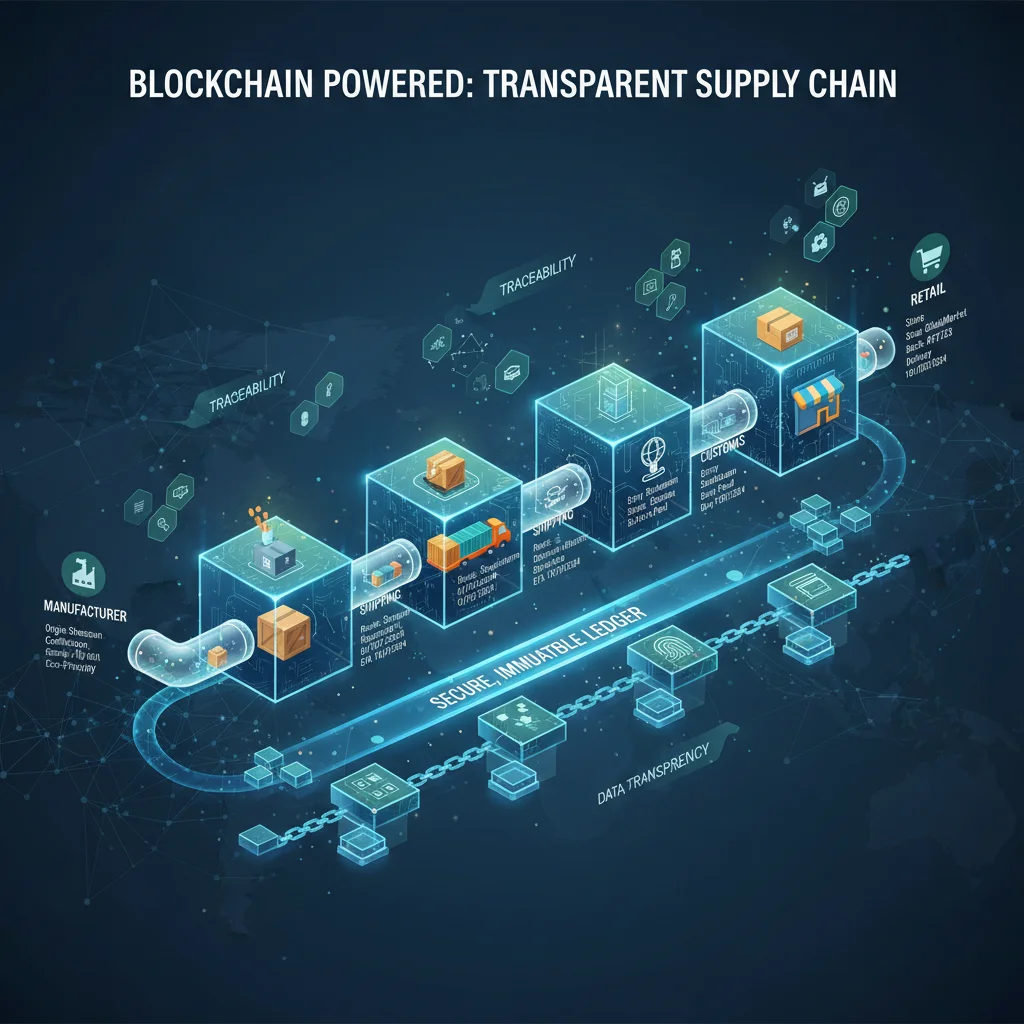
The global supply chain is a labyrinthine network, often characterized by opacity, inefficiency, and vulnerability to fraud. From sourcing raw materials to delivering finished products, tracking goods across multiple intermediaries and geographies presents a monumental challenge. This lack of transparency leads to issues such as counterfeit products, unethical sourcing, food safety concerns, and significant financial losses. Enter enterprise blockchain applications, which are rapidly emerging as the definitive solution to these systemic problems, particularly within the US market.
The Need for Trust in Supply Chains
Consumers, regulators, and businesses alike are increasingly demanding greater visibility into product origins, manufacturing processes, and ethical compliance. The traditional paper-based or siloed digital record-keeping systems are simply inadequate for providing the real-time, tamper-proof information required. This is where blockchain’s core attributes—immutability, decentralization, and cryptographic security—offer a paradigm shift. By creating a shared, unchangeable ledger of transactions and events, blockchain ensures that every participant in the supply chain has access to the same, verified information.
How Enterprise Blockchain Transforms Supply Chains
Imagine a scenario where every step of a product’s journey—from the farm to the fork, or from the factory to the customer’s doorstep—is recorded on a blockchain. Each transfer of ownership, each quality inspection, each change in location, and each certification can be logged as a transaction. This creates an unalterable audit trail that provides unprecedented levels of transparency and traceability. For businesses, this means:
- Enhanced Traceability: Quickly pinpoint the origin of a contaminated food product, identify the source of faulty components, or verify the authenticity of luxury goods.
- Fraud Prevention: Significantly reduce counterfeiting and diversion by making it nearly impossible to introduce unauthorized products into the supply chain without detection.
- Improved Efficiency: Automate many manual processes through smart contracts, reducing paperwork, speeding up customs clearance, and optimizing logistics.
- Increased Trust and Brand Reputation: Offer consumers verifiable proof of ethical sourcing, sustainability practices, and product authenticity, building stronger brand loyalty.
- Better Regulatory Compliance: Easily demonstrate adherence to regulatory requirements and industry standards, simplifying audits and reducing compliance costs.
Leading the Charge in the US by 2026
Major corporations in the US, particularly in sectors like food and beverage, pharmaceuticals, and luxury goods, are already heavily investing in enterprise blockchain applications for supply chain management. Companies like Walmart have famously piloted blockchain for food traceability, drastically reducing the time it takes to trace a product from days to mere seconds. Pharmaceutical companies are exploring its use to combat counterfeit drugs and ensure the integrity of their cold chains. By 2026, it is projected that blockchain will be a foundational technology for supply chain operations across a wide array of industries, setting new standards for integrity and consumer confidence.
2. Securing Healthcare Data and Interoperability with Enterprise Blockchain Applications
The healthcare industry, a critical pillar of any society, faces immense challenges related to data security, privacy, and interoperability. Patient records are often fragmented across disparate systems, leading to inefficiencies, medical errors, and difficulties in providing comprehensive care. Moreover, the sensitive nature of health information makes it a prime target for cyberattacks. Enterprise blockchain applications are emerging as a powerful antidote, promising to create a more secure, patient-centric, and interconnected healthcare ecosystem in the US.
The Healthcare Data Dilemma
Current healthcare data management systems are notoriously complex. Electronic Health Records (EHRs) are often confined within specific institutional databases, making it difficult for different providers to share information seamlessly, even with patient consent. This lack of interoperability hinders coordinated care, impedes medical research, and creates administrative burdens. Simultaneously, the constant threat of data breaches underscores the urgent need for enhanced security measures.
Blockchain’s Role in Healthcare Transformation
Blockchain’s distributed ledger technology offers a robust framework for managing healthcare data with unparalleled security and controlled access. Instead of a single, vulnerable database, patient data can be encrypted and stored on a decentralized network, with access governed by cryptographic keys. Key applications include:
- Secure Patient Records: Create an immutable and auditable trail of patient data access and modifications. Patients can grant or revoke access to their medical records to specific providers, empowering them with greater control over their personal health information.
- Enhanced Interoperability: Facilitate secure and seamless sharing of medical data between different healthcare providers, hospitals, and even research institutions, without compromising privacy. This can lead to more accurate diagnoses, better treatment plans, and reduced medical errors.
- Drug Supply Chain Integrity: As mentioned in the supply chain section, blockchain can track pharmaceuticals from manufacturing to dispensing, combating counterfeit drugs and ensuring patient safety.
- Clinical Trials Management: Improve the integrity and transparency of clinical trial data, ensuring that results are untampered and verifiable, which can accelerate drug discovery and approval processes.
- Medical Research and Data Monetization: Allow patients to securely and pseudonymously share their data for research purposes, potentially earning compensation, while ensuring their privacy is protected.
Adoption Trends in the US Healthcare Sector
By 2026, the US healthcare sector is expected to see a significant uptick in the deployment of enterprise blockchain applications. Pilot programs are already underway, demonstrating the feasibility and benefits of blockchain for managing patient consent, securing medical device data, and streamlining claims processing. The emphasis on patient privacy (HIPAA compliance) aligns perfectly with blockchain’s capabilities for granular access control and data encryption. As healthcare providers look to optimize operations, reduce costs, and deliver superior patient care, blockchain will become an indispensable tool.
3. Streamlining Financial Services and Trade Finance with Enterprise Blockchain Applications
The financial services industry, traditionally characterized by complex intermediaries, slow transaction speeds, and high operational costs, is ripe for disruption. While blockchain’s origins are in finance (cryptocurrencies), its enterprise applications extend far beyond digital cash, promising to revolutionize everything from cross-border payments to trade finance and asset tokenization in the US. By 2026, many of these enterprise blockchain applications will be mainstream.
Challenges in Traditional Finance
Current financial systems often rely on a multitude of legacy systems, manual processes, and multiple reconciliations, leading to delays, errors, and significant overheads. Cross-border payments, for instance, can take days to clear and involve hefty fees due to numerous correspondent banks. Trade finance, which facilitates international commerce, is particularly complex, involving extensive documentation, letters of credit, and a high degree of trust among parties.
Blockchain’s Transformative Impact on Finance
Blockchain offers a more efficient, secure, and transparent infrastructure for financial transactions and record-keeping:
- Faster and Cheaper Cross-Border Payments: Enterprise blockchain applications can enable near-instantaneous and significantly cheaper international money transfers by cutting out intermediaries and streamlining reconciliation processes.
- Enhanced Trade Finance: By digitizing and decentralizing trade documents (like bills of lading and letters of credit) on a blockchain, the process becomes more transparent, secure, and efficient. Smart contracts can automate payment releases upon verification of goods delivery, reducing risks and speeding up transactions.
- Asset Tokenization: Real-world assets, such as real estate, art, or commodities, can be represented as digital tokens on a blockchain. This allows for fractional ownership, increased liquidity, and easier transfer of assets, opening up new investment opportunities.
- Improved Regulatory Reporting: The immutable nature of blockchain transactions can simplify and enhance regulatory reporting, providing regulators with real-time, verifiable data.
- Fraud Reduction: The cryptographic security and immutability of blockchain make financial fraud significantly more difficult to perpetrate and easier to detect.
Financial Institutions Embracing Blockchain in the US
Major banks, financial institutions, and fintech companies in the US are actively exploring and implementing enterprise blockchain applications. Consortia like R3 Corda and Hyperledger Fabric are providing the underlying technology for many of these initiatives. We are seeing blockchain pilots for interbank settlements, syndicated loans, and bond issuance. By 2026, the adoption of blockchain in financial services will have moved beyond experimentation, becoming an integral part of the infrastructure for a more agile and interconnected global financial system.
4. Empowering Digital Identity and Data Sovereignty with Enterprise Blockchain Applications
In our increasingly digital world, managing personal and organizational identities has become a complex and often insecure endeavor. We rely on numerous centralized entities—governments, social media platforms, banks—to verify who we are, leading to fragmented digital footprints, privacy concerns, and vulnerability to identity theft. Enterprise blockchain applications are offering a groundbreaking solution: self-sovereign digital identity, which promises to return control of personal data to individuals and organizations in the US.
The Broken Model of Digital Identity
Currently, our digital identities are often controlled by third parties. When you log into a website using Google or Facebook, you’re essentially trusting those companies to verify your identity. This model creates honeypots of personal data, making them attractive targets for malicious actors. Furthermore, individuals have limited control over who accesses their data, for what purpose, and for how long. This paradigm is inefficient, insecure, and undermines personal privacy.
Blockchain’s Promise for Digital Identity
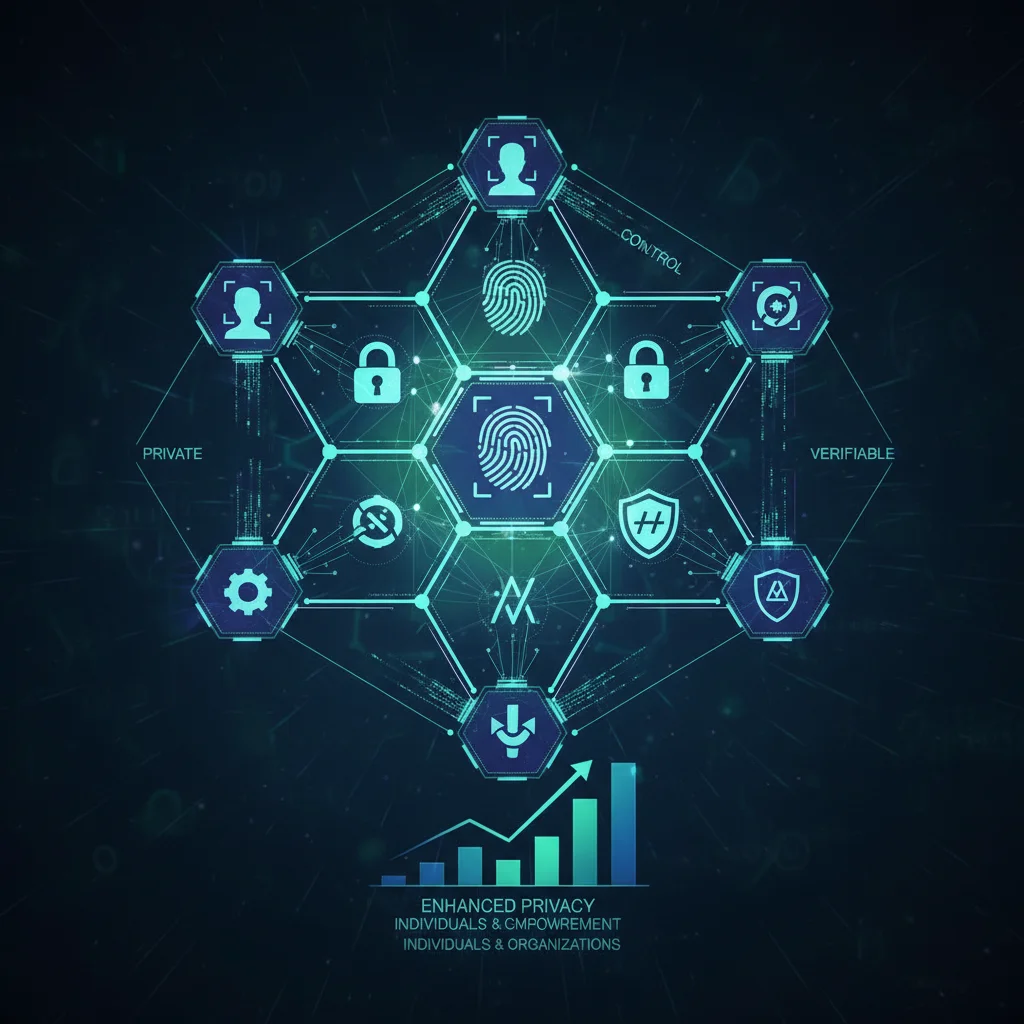
Blockchain-based digital identity systems leverage the technology’s inherent security and decentralization to create verifiable, tamper-proof credentials. Instead of relying on a central authority, individuals can manage their own verifiable claims (e.g., driver’s license, academic degree, professional certifications) on a blockchain. Key benefits include:
- Self-Sovereignty: Individuals gain full control over their digital identities and personal data. They decide what information to share, with whom, and for how long, using cryptographic proofs rather than relying on intermediaries.
- Enhanced Security and Privacy: Personal data is not stored in a single, vulnerable database. Instead, only cryptographic proofs (hashes) of claims are stored on the blockchain, while the actual data remains with the individual, secured and encrypted.
- Streamlined Verification: Businesses and organizations can instantly and reliably verify credentials without needing to contact the issuing authority directly, reducing friction in onboarding processes, background checks, and regulatory compliance.
- Reduced Identity Fraud: The immutable and cryptographically secured nature of blockchain credentials makes them extremely difficult to forge, significantly reducing identity theft and fraud.
- Improved User Experience: A single, secure digital identity can replace the need for countless usernames and passwords, simplifying online interactions while enhancing security.
The Future of Identity in the US by 2026
The US is witnessing increasing interest in enterprise blockchain applications for digital identity, particularly in sectors requiring high levels of security and compliance, such as finance, government, and healthcare. Initiatives are exploring how blockchain can secure voter identification, streamline border control, and facilitate secure access to government services. By 2026, self-sovereign identity solutions built on blockchain are expected to gain considerable traction, offering a more secure, private, and efficient way for individuals and organizations to interact in the digital realm.
The Road Ahead for Enterprise Blockchain Applications in the US
The narrative around blockchain has unquestionably shifted. What was once viewed primarily through the lens of speculative cryptocurrencies is now recognized as a foundational technology with the potential to underpin the next generation of enterprise infrastructure. The four areas discussed—supply chain transparency, healthcare data security, streamlined financial services, and empowered digital identity—represent just a fraction of the transformative potential of enterprise blockchain applications.
Key Drivers of Adoption
Several factors are propelling the rapid adoption of enterprise blockchain in the US:
- Increased Regulatory Clarity: As regulators gain a better understanding of blockchain’s capabilities and limitations, clearer guidelines are emerging, fostering greater confidence for businesses to invest.
- Maturing Technology: The underlying blockchain platforms (like Hyperledger Fabric, R3 Corda, Ethereum Enterprise) are becoming more robust, scalable, and user-friendly, addressing previous concerns about performance and integration.
- Industry Consortia and Collaboration: Major players in various industries are forming consortia to develop common standards and shared blockchain networks, accelerating adoption and reducing individual development costs.
- Demand for Trust and Transparency: Consumers and businesses are increasingly demanding greater trust, transparency, and accountability, which blockchain inherently provides.
- Cost Efficiencies and ROI: Early pilot programs are demonstrating tangible returns on investment through reduced operational costs, improved efficiency, and enhanced security.
Challenges and Considerations
While the future looks bright, the widespread adoption of enterprise blockchain applications still faces challenges. These include:
- Interoperability between Blockchains: Ensuring different blockchain networks can communicate and share data seamlessly remains a key technical hurdle.
- Scalability: While enterprise blockchains are designed for higher transaction throughput than public chains, scaling to meet the demands of global enterprises is an ongoing area of development.
- Integration with Legacy Systems: Integrating blockchain solutions with existing, complex IT infrastructures can be a significant undertaking.
- Talent Gap: A shortage of skilled blockchain developers and architects can slow down implementation.
- Regulatory Evolution: As the technology evolves, so too must the regulatory frameworks, which can sometimes lag behind innovation.
Conclusion: The Inevitable Rise of Enterprise Blockchain
By 2026, the landscape of business and technology in the US will be significantly shaped by the pervasive influence of enterprise blockchain applications. We are moving beyond the initial hype and speculative frenzy surrounding cryptocurrencies to a mature phase where blockchain is recognized for its fundamental ability to create trust, transparency, and efficiency in complex systems. From securing the integrity of our food supply to safeguarding our most sensitive health data, from accelerating global finance to empowering individuals with control over their digital identities, blockchain is proving its mettle as a transformative force.
Businesses that embrace these innovations early will not only gain a competitive edge but will also contribute to building more resilient, equitable, and trustworthy systems for the future. The shift is not just about adopting a new technology; it’s about fundamentally rethinking how data, assets, and value are exchanged in the digital age. The US, with its strong innovation ecosystem and forward-thinking enterprises, is poised to be a leader in this blockchain-powered revolution. The future, undoubtedly, is distributed, and enterprise blockchain is at its core.