Sustainable Tech: 4 Innovations Reducing Carbon Footprints in US Industries by 2026
Sustainable Tech: 4 Innovations Reducing Carbon Footprints in US Industries by 2026
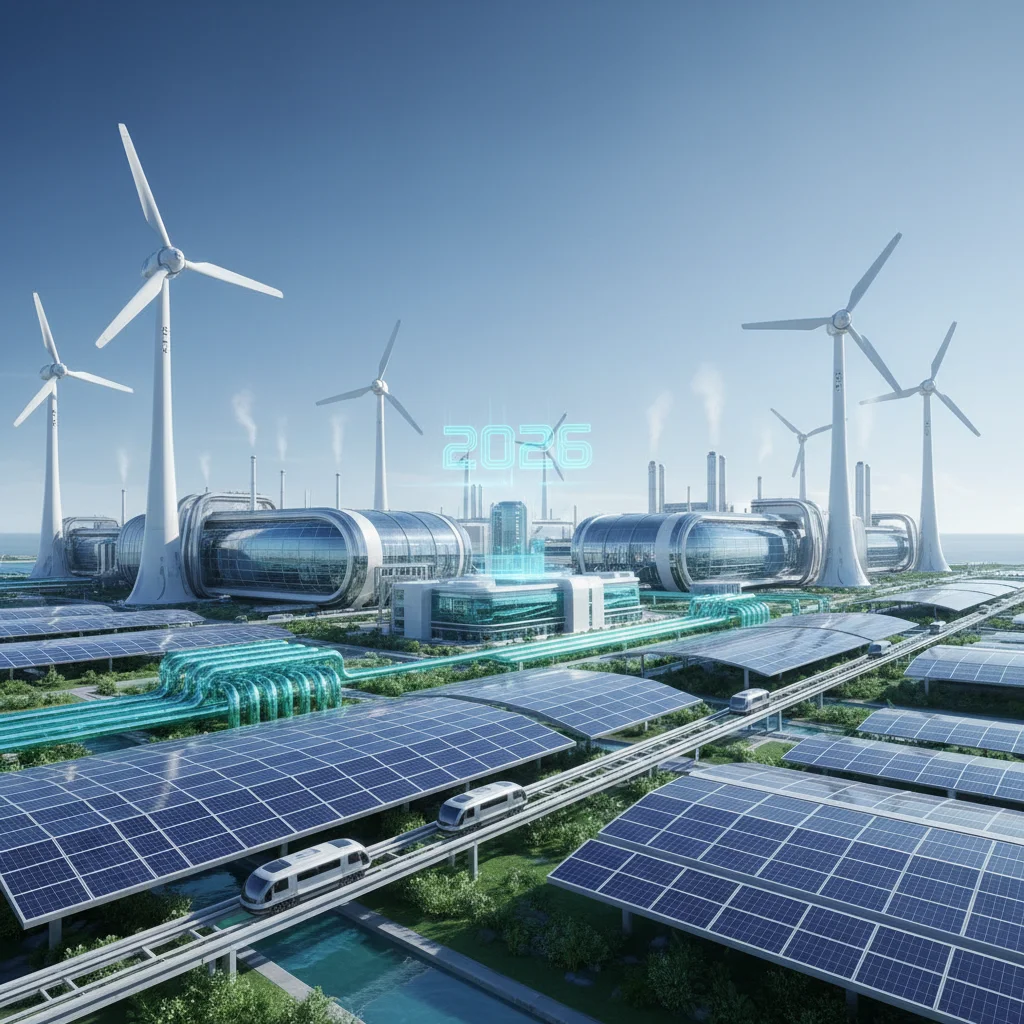
The imperative to combat climate change has never been more urgent, and industries worldwide are under increasing pressure to reduce their environmental impact. In the United States, a significant portion of carbon emissions originates from industrial activities. However, a new wave of sustainable industrial tech is emerging, promising to revolutionize how US industries operate. By 2026, these innovations are expected to play a pivotal role in drastically cutting carbon footprints, paving the way for a greener, more sustainable future.
This article delves into four groundbreaking sustainable technologies that are not only gaining traction but are also projected to make substantial contributions to carbon footprint reduction across various US industries within the next few years. From advanced energy solutions to revolutionary material science, these innovations represent a paradigm shift towards environmental responsibility and economic efficiency.
The Urgent Need for Carbon Footprint Reduction in US Industries
US industries, encompassing sectors like manufacturing, energy production, transportation, and agriculture, collectively contribute a substantial share of national greenhouse gas emissions. The reliance on fossil fuels, energy-intensive processes, and traditional waste management practices has historically driven high carbon outputs. The consequences are far-reaching, from accelerating global warming to impacting public health and natural ecosystems.
Responding to these challenges, there’s a growing consensus among policymakers, businesses, and consumers that aggressive action is needed. Regulatory frameworks are tightening, consumer demand for eco-friendly products is rising, and investors are increasingly prioritizing Environmental, Social, and Governance (ESG) criteria. This confluence of factors is accelerating the adoption of sustainable industrial tech, making it not just an environmental necessity but also a strategic business imperative.
The journey towards decarbonization is complex, requiring significant investment in research, development, and deployment of innovative solutions. However, the potential rewards are immense: enhanced energy security, reduced operational costs, improved brand reputation, and a healthier planet for future generations. The technologies we will explore are at the forefront of this transformation, offering tangible pathways to achieve ambitious carbon reduction targets by 2026.
1. Advanced Carbon Capture, Utilization, and Storage (CCUS)
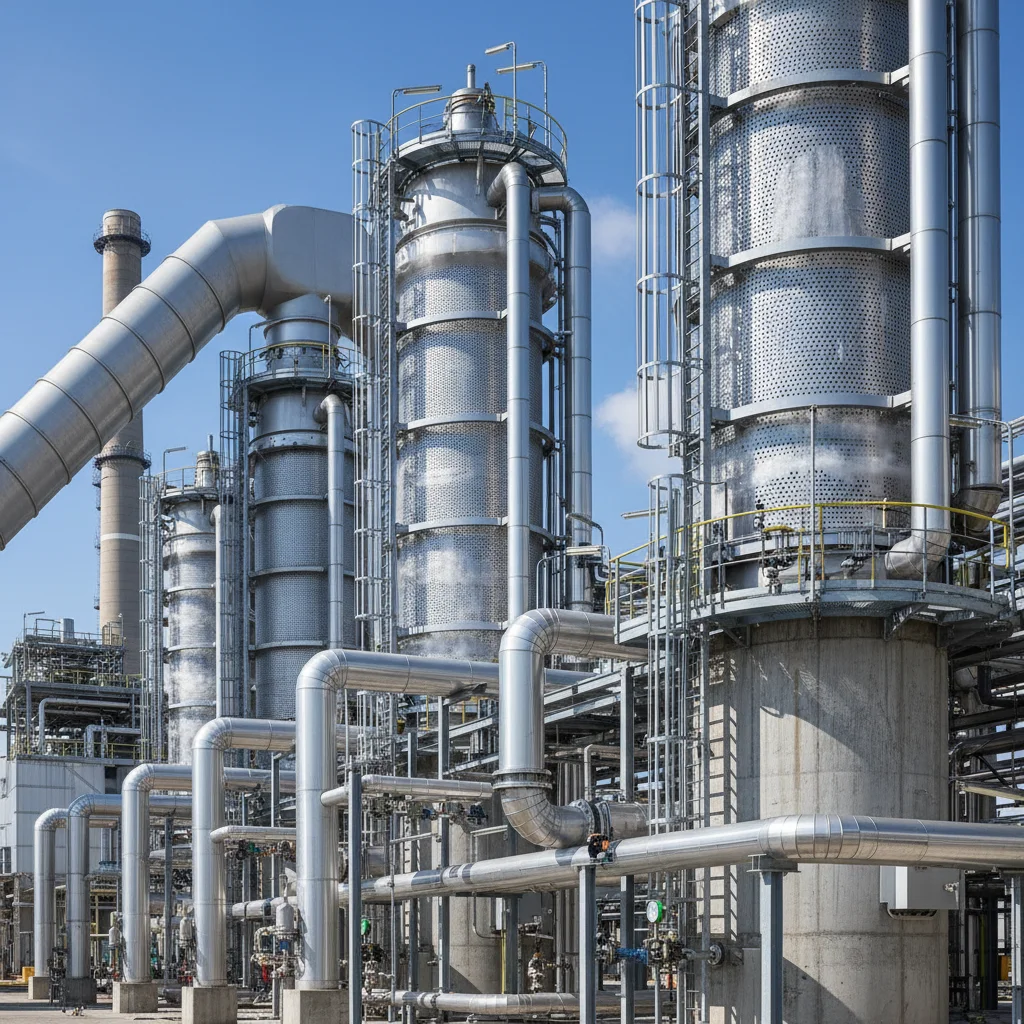
Carbon Capture, Utilization, and Storage (CCUS) technologies are designed to prevent large quantities of carbon dioxide (CO2) from entering the atmosphere. This involves capturing CO2 emissions from industrial processes, power generation, and even directly from the air, and then either reusing it or storing it permanently underground. While CCUS has been around for some time, recent advancements are making it more efficient, cost-effective, and scalable, positioning it as a cornerstone of sustainable industrial tech for US industries.
Breakthroughs in Capture Technology
Traditionally, carbon capture has been energy-intensive and expensive. However, new materials and processes are changing this narrative. Novel sorbents and membranes are being developed that can selectively capture CO2 with higher efficiency and lower energy penalties. For instance, metal-organic frameworks (MOFs) and porous polymers offer significantly greater CO2 adsorption capacities and faster regeneration rates compared to conventional amine-based solvents. These innovations are crucial for reducing the operational costs associated with capture, making it more attractive for industries like cement production, steel manufacturing, and chemical processing, which are major CO2 emitters.
Expanding Utilization Opportunities
Beyond storage, the ‘Utilization’ aspect of CCUS is gaining momentum. Captured CO2 can be transformed into valuable products, creating a circular carbon economy. Examples include:
- Enhanced Oil Recovery (EOR): Injecting CO2 into mature oil fields to increase oil extraction, while also permanently storing a portion of the CO2.
- Building Materials: Utilizing CO2 to create carbon-negative concrete and other construction materials, effectively sequestering carbon within infrastructure.
- Fuels and Chemicals: Converting CO2 into synthetic fuels (e.g., sustainable aviation fuel), plastics, and other industrial chemicals, displacing fossil-derived products.
- Agriculture: Supplying CO2 to greenhouses to enhance plant growth.
These utilization pathways not only offer economic incentives for industries to adopt CCUS but also contribute to a broader reduction in the carbon intensity of various supply chains. The integration of CCUS with renewable energy sources further enhances its sustainability profile, moving towards net-negative emissions.
Storage Solutions and Infrastructure Development
Secure geological storage remains a critical component of CCUS. The US has vast geological formations, such as saline aquifers and depleted oil and gas reservoirs, suitable for long-term CO2 storage. Significant investment is being directed towards mapping these sites, conducting comprehensive safety assessments, and developing the necessary pipeline infrastructure to transport captured CO2. The US Department of Energy and private sector companies are collaborating on large-scale demonstration projects to prove the viability and safety of these storage solutions.
By 2026, we anticipate several large-scale CCUS projects to be operational across the US, significantly contributing to the nation’s decarbonization goals. These projects will not only reduce direct industrial emissions but also lay the groundwork for future negative emissions technologies, solidifying CCUS as a powerful sustainable industrial tech.
2. Advanced Renewable Energy Integration and Storage
The transition from fossil fuels to renewable energy sources is fundamental to reducing industrial carbon footprints. While solar and wind power have seen remarkable growth, their intermittency poses challenges for continuous industrial operations. This is where advanced renewable energy integration and storage technologies become crucial components of sustainable industrial tech.
Smart Grids and Microgrids
US industries are increasingly adopting smart grid technologies and developing their own microgrids. Smart grids leverage digital communication and intelligent control systems to optimize energy delivery, integrate distributed renewable energy sources more effectively, and respond dynamically to demand fluctuations. Microgrids, on the other hand, allow industrial facilities to generate, distribute, and regulate their own power, often combining solar, wind, and battery storage. This enhances energy resilience, reduces reliance on the main grid, and minimizes transmission losses.
By 2026, many energy-intensive industries are expected to operate with a significant portion of their energy needs met by on-site or near-site renewable generation integrated through smart microgrids. This not only cuts carbon emissions but also provides greater energy independence and protection against grid disruptions.
Breakthroughs in Energy Storage
The intermittency of renewables necessitates robust energy storage solutions. Beyond traditional lithium-ion batteries, new frontiers in energy storage are emerging:
- Long-Duration Energy Storage (LDES): Technologies like flow batteries, compressed air energy storage (CAES), and thermal energy storage are being developed to store energy for hours or even days, addressing the gap left by shorter-duration lithium-ion solutions. These are particularly vital for industrial processes requiring continuous power.
- Green Hydrogen: Electrolysis powered by renewable electricity can produce ‘green hydrogen,’ a versatile energy carrier that can be stored and used for power generation, industrial feedstock, or fuel for heavy-duty transportation. The US is heavily investing in green hydrogen hubs, anticipating its substantial role in industrial decarbonization by 2026.
- Advanced Battery Chemistries: Research into solid-state batteries, sodium-ion batteries, and other novel chemistries promises higher energy density, improved safety, and lower costs, making battery storage more accessible for a wider range of industrial applications.
These storage advancements enable industries to maximize their use of renewable energy, ensuring a stable and reliable power supply while significantly reducing reliance on fossil fuels. The synergy between advanced renewables and storage is a game-changer for sustainable industrial tech.
3. Industrial IoT and AI-Powered Energy Management
The digital revolution, particularly the convergence of the Industrial Internet of Things (IIoT) and Artificial Intelligence (AI), is transforming how industries manage their energy consumption. These technologies offer unprecedented levels of insight and control, leading to significant reductions in energy waste and carbon emissions, making them crucial components of sustainable industrial tech.
Real-time Monitoring and Optimization
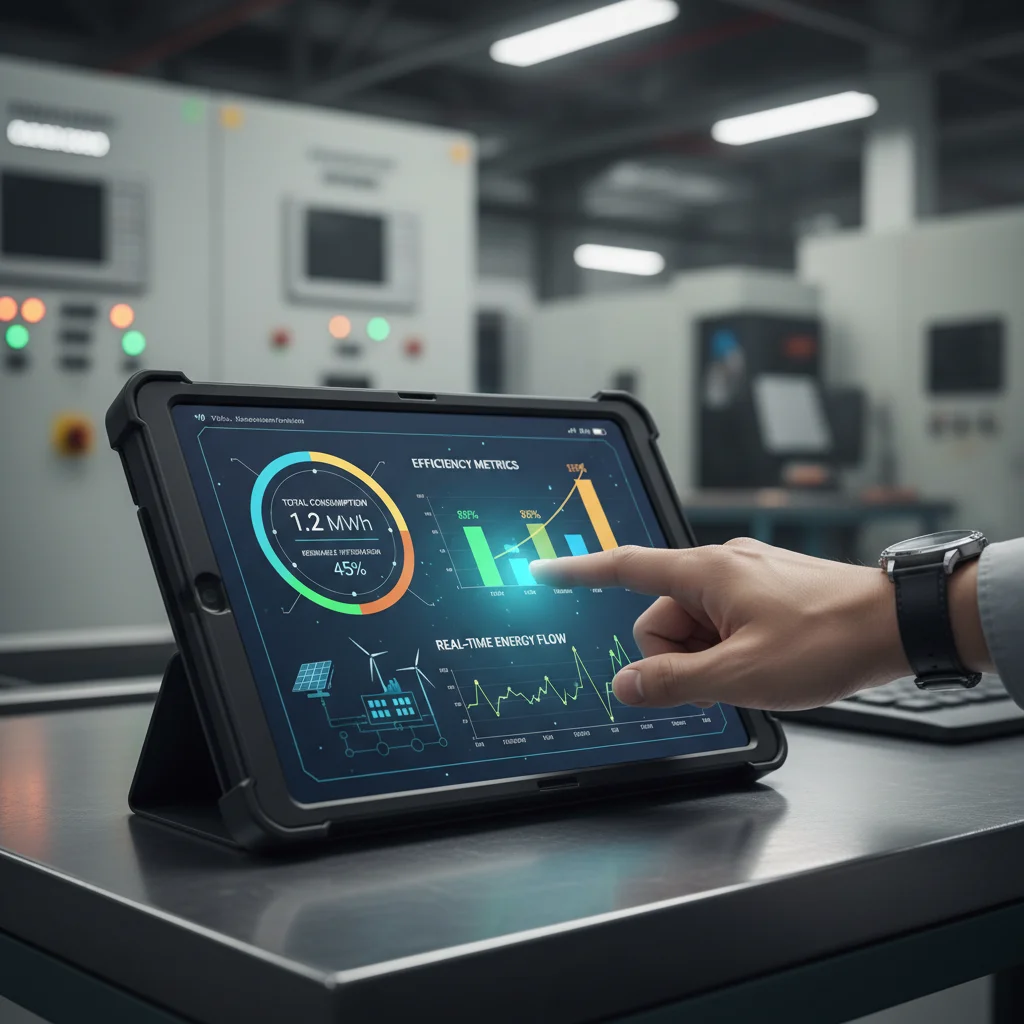
IIoT sensors deployed across factory floors, equipment, and infrastructure collect vast amounts of data on energy usage, operational parameters, and environmental conditions in real time. This data feeds into AI-powered analytics platforms that can identify inefficiencies, predict equipment failures, and optimize processes. For example, AI algorithms can learn the optimal operating temperatures for machinery, adjust HVAC systems based on occupancy and external weather, or fine-tune production schedules to align with periods of lower energy costs or higher renewable energy availability.
This granular level of monitoring and optimization allows industries to pinpoint energy hotspots, reduce standby power consumption, and implement predictive maintenance strategies that prevent energy-intensive breakdowns. The result is a more agile, efficient, and less carbon-intensive operation.
Predictive Maintenance and Resource Efficiency
Beyond energy, AI and IIoT contribute to broader resource efficiency. Predictive maintenance, enabled by machine learning, allows companies to service equipment before it fails, extending asset lifespan and reducing the need for new manufacturing, which itself is resource-intensive. AI can also optimize supply chain logistics, minimizing transportation emissions, and improve waste management by identifying opportunities for recycling and reuse.
In manufacturing, AI can optimize material usage, reduce scrap rates, and enhance product quality, all of which contribute to a smaller environmental footprint. The ability to make data-driven decisions in real time is a powerful tool for achieving sustainability goals.
Integrating with Renewable Sources
AI also plays a critical role in integrating renewable energy sources into industrial operations. Machine learning algorithms can forecast renewable energy generation (e.g., solar irradiance, wind speed) with high accuracy, allowing industries to adjust their energy consumption patterns accordingly. This dynamic load management ensures that industries can maximize their self-consumption of on-site renewables and minimize reliance on grid electricity, especially during peak demand periods when fossil fuel power plants are often ramped up.
By 2026, AI and IIoT will be indispensable tools for any US industry serious about reducing its carbon footprint, offering intelligent automation and optimization that transcend manual capabilities. This intelligent approach to energy management is a key driver of sustainable industrial tech adoption.
4. Green Hydrogen for Industrial Decarbonization
Green hydrogen, produced through electrolysis powered by renewable electricity, is emerging as a critical component in the decarbonization strategies for some of the hardest-to-abate industrial sectors. Unlike ‘gray’ hydrogen (produced from natural gas with associated CO2 emissions) or ‘blue’ hydrogen (from natural gas with CCUS), green hydrogen offers a truly zero-emission pathway, making it a pivotal sustainable industrial tech.
Replacing Fossil Fuels in High-Temperature Processes
Many heavy industries, such as steel, cement, and chemical manufacturing, require extremely high temperatures for their processes, which are currently achieved by burning fossil fuels. Green hydrogen can serve as a clean fuel source for these applications, replacing coal or natural gas in blast furnaces and kilns. For example, in steelmaking, hydrogen can be used in direct reduced iron (DRI) processes to convert iron ore into iron, bypassing traditional coal-fired blast furnaces and significantly reducing emissions.
The US government and private companies are investing heavily in pilot projects and commercial-scale green steel and cement initiatives, aiming to demonstrate the technical and economic viability of hydrogen-based production by 2026. This transition is essential for achieving deep decarbonization in sectors where electrification is not always feasible.
Feedstock for Green Chemicals and Fertilizers
Hydrogen is also a crucial feedstock in the production of various chemicals, including ammonia for fertilizers, methanol, and other industrial chemicals. Currently, this hydrogen is largely derived from fossil fuels. Switching to green hydrogen as a feedstock can dramatically reduce the carbon footprint of these entire value chains. The agricultural sector, in particular, stands to benefit from green ammonia production, moving towards more sustainable food systems.
The development of large-scale green hydrogen production facilities, coupled with the necessary infrastructure for transport and distribution, is a major focus. The US is strategically positioning itself to become a leader in green hydrogen production and utilization, with several regional hydrogen hubs being established.
Energy Storage and Grid Balancing
Beyond its direct use as fuel or feedstock, green hydrogen can also act as a form of long-duration energy storage. Excess renewable electricity can be used to produce hydrogen, which can then be stored and converted back into electricity via fuel cells when renewable generation is low or demand is high. This flexibility makes green hydrogen an invaluable tool for balancing the grid and enhancing the reliability of a renewable-dominated energy system.
By 2026, green hydrogen is expected to move beyond niche applications and become a mainstream solution for industrial decarbonization, offering a versatile and scalable pathway to significantly reduce carbon emissions across a diverse range of US industries. Its role as a transformative sustainable industrial tech cannot be overstated.
The Economic and Environmental Impact of Sustainable Industrial Tech
The widespread adoption of these four sustainable technologies – advanced CCUS, renewable energy integration with storage, industrial IoT and AI-powered energy management, and green hydrogen – promises profound economic and environmental benefits for US industries. Environmentally, the most immediate impact will be a substantial reduction in greenhouse gas emissions, directly contributing to national and global climate targets. This includes reductions in CO2, methane, and other pollutants, leading to improved air quality and public health outcomes.
Economically, these innovations offer a competitive edge. Industries that embrace sustainable industrial tech can expect:
- Reduced Operational Costs: Lower energy consumption, optimized resource use, and reduced waste translate into significant cost savings over the long term.
- Enhanced Brand Reputation and Market Access: Consumers and investors are increasingly favoring companies with strong sustainability credentials, opening new markets and attracting capital.
- Regulatory Compliance and Risk Mitigation: Proactive adoption helps industries meet evolving environmental regulations and mitigate risks associated with carbon pricing or penalties.
- Innovation and Job Creation: The development and deployment of these technologies stimulate innovation, create new jobs in green sectors, and foster economic growth.
- Energy Security and Resilience: Diversifying energy sources and building local microgrids reduces vulnerability to geopolitical risks and extreme weather events affecting traditional energy supplies.
The synergies between these technologies are also noteworthy. For instance, AI can optimize CCUS processes, and green hydrogen production can be powered by integrated renewable energy systems. This holistic approach amplifies their individual impacts, creating a robust framework for industrial decarbonization.
Challenges and the Path Forward
While the promise of these sustainable industrial tech innovations is immense, their widespread adoption is not without challenges. These include:
- High Capital Costs: Initial investment in new technologies can be significant, requiring supportive policies and financial incentives.
- Technological Maturity and Scalability: While some technologies are well-established, others are still scaling up and require further R&D to achieve widespread commercial viability.
- Infrastructure Development: Building out new infrastructure for CO2 transport, hydrogen pipelines, and advanced grids requires substantial planning and investment.
- Policy and Regulatory Frameworks: Consistent and supportive government policies, including carbon pricing mechanisms, tax credits, and clear regulatory pathways, are essential to accelerate adoption.
- Skilled Workforce Development: A new generation of engineers, technicians, and operators will be needed to design, implement, and maintain these advanced systems.
Despite these hurdles, the trajectory towards a sustainable industrial future is clear. Governments, industries, and research institutions are increasingly collaborating to overcome these challenges. The US has demonstrated a commitment to climate action through various initiatives, funding programs, and strategic partnerships, all aimed at accelerating the deployment of sustainable industrial tech.
Conclusion: A Greener Horizon by 2026
By 2026, the landscape of US industries is poised for a significant transformation driven by the adoption of advanced sustainable technologies. Carbon Capture, Utilization, and Storage (CCUS), advanced renewable energy integration and storage, Industrial IoT and AI-powered energy management, and green hydrogen are not just buzzwords; they are tangible solutions that are already demonstrating their potential to drastically reduce carbon footprints. These innovations represent a powerful combination of environmental stewardship and economic foresight.
The journey towards industrial decarbonization is an ongoing process, but the rapid evolution and deployment of these sustainable industrial tech solutions offer a clear and optimistic path forward. As US industries embrace these innovations, they will not only meet their environmental responsibilities but also unlock new avenues for growth, efficiency, and global competitiveness. The next few years will be critical in solidifying these technologies as the standard for sustainable industrial operations, ultimately contributing to a healthier planet and a more resilient economy.