Future Project Management Apps: Cutting Timelines by 10% in 2026

The landscape of project management is constantly evolving, driven by technological advancements and the ever-increasing demand for efficiency. As we look ahead to 2026, the capabilities of project management apps are set to undergo a transformative shift, promising not just incremental improvements but significant leaps in productivity and timeline reduction. Imagine cutting down project timelines by a remarkable 10% – a goal that is becoming increasingly attainable thanks to the groundbreaking features integrated into the latest generation of project management apps 2026.
This deep dive explores the pioneering features and innovations that are redefining how projects are planned, executed, and delivered. From advanced artificial intelligence and machine learning to hyper-personalization and seamless integration, the future of project management is already here, offering unprecedented opportunities for businesses to achieve their strategic objectives faster and more effectively.
The Dawn of Intelligent Automation in Project Management Apps 2026
One of the most impactful developments in project management apps 2026 is the pervasive integration of intelligent automation. This isn’t just about automating repetitive tasks; it’s about leveraging AI and machine learning to make smarter decisions, predict potential roadblocks, and optimize resource allocation proactively. Project managers will no longer just react to issues; they will be empowered to anticipate and mitigate them before they even arise.
Predictive Analytics for Proactive Management
Predictive analytics, powered by sophisticated AI algorithms, is becoming a cornerstone feature. These systems analyze vast amounts of historical project data, including past performance, resource utilization, and external factors, to forecast future outcomes with remarkable accuracy. For instance, an app might predict that a specific task has an 80% chance of delay based on similar tasks in previous projects, allowing the project manager to reallocate resources or adjust the schedule well in advance. This proactive approach is critical for cutting project timelines by identifying bottlenecks before they impact the overall schedule.
Automated Workflow Optimization
Beyond simple task automation, project management apps 2026 are offering sophisticated workflow optimization. This involves AI-driven engines that can dynamically adjust task assignments, re-prioritize work based on real-time progress, and even suggest optimal paths to project completion. Imagine an app that automatically reorders a sprint backlog based on team capacity, dependencies, and strategic importance, ensuring that the most critical tasks are always being addressed. This level of automation significantly reduces manual oversight and allows project teams to maintain peak efficiency.
Hyper-Personalization and Adaptive Interfaces
The days of one-size-fits-all project management software are rapidly fading. The next generation of project management apps 2026 is characterized by hyper-personalization, where the interface, features, and even recommendations adapt to the individual user and the specific project context. This means a project manager will have a different experience than a team member, and an agile project will be managed differently than a waterfall project, all within the same application.
Tailored User Experiences
Adaptive interfaces learn from user behavior and preferences, presenting the most relevant information and tools at the right time. For a project manager, this might mean a dashboard prioritizing critical path tasks and budget alerts. For a developer, it could mean a clear view of their assigned tasks, code repositories, and relevant documentation. This tailored experience reduces cognitive load, improves user adoption, and ultimately speeds up task completion, contributing to overall timeline reduction.
AI-Driven Recommendations and Insights
AI is also being used to provide personalized recommendations and insights. For example, if a team member is consistently excelling in a particular type of task, the app might suggest assigning them similar tasks in the future. Conversely, if a task is lagging, the app could recommend relevant training modules or connect the user with an expert within the organization. These intelligent suggestions help optimize individual and team performance, directly impacting project velocity.
Enhanced Collaboration and Communication Tools
Effective collaboration and communication are the lifeblood of any successful project. Project management apps 2026 are pushing the boundaries of these capabilities, moving beyond simple chat functions to create truly integrated and intelligent communication hubs that foster real-time synergy and minimize misunderstandings, thereby significantly accelerating project progress.
Integrated Communication Channels
Modern PM apps seamlessly integrate various communication channels – chat, video conferencing, email, and even voice notes – directly within the project context. This eliminates the need to switch between multiple platforms, keeping all discussions, decisions, and files centralized. Imagine discussing a design change in a video call, and the app automatically transcribes the key action items and assigns them to the relevant team members, all linked to the specific task. This level of integration streamlines communication and reduces the time spent on coordination.

AI-Powered Meeting Summaries and Action Item Extraction
One of the most exciting features is AI’s ability to summarize meetings and extract actionable items. Instead of manual note-taking and follow-ups, AI can listen to or read meeting transcripts, identify key decisions, assigned responsibilities, and deadlines, and then automatically populate these into the project plan. This not only saves valuable time but also ensures that no action item is missed, maintaining project momentum and preventing delays.
Sentiment Analysis for Team Well-being
Some advanced project management apps 2026 are even incorporating sentiment analysis. By analyzing communication patterns and content, these tools can provide insights into team morale and potential stress points. While used ethically and with privacy in mind, this can help project managers identify and address issues like burnout or conflict early on, ensuring a healthy and productive team environment that sustains high performance and prevents unexpected slowdowns.
Advanced Resource Management and Optimization
Resource management has always been a critical component of project success, but in 2026, it’s becoming an art form, driven by sophisticated algorithms and real-time data. The goal is to ensure that the right people with the right skills are always working on the right tasks, without over-allocation or under-utilization, a key factor in cutting project timelines.
Dynamic Resource Allocation
Gone are the days of static resource plans. The new generation of project management apps 2026 employs dynamic resource allocation, where AI continuously monitors team capacity, individual skill sets, and project demands. If a team member finishes a task ahead of schedule, the system can automatically suggest or assign the next most critical task they are qualified for, keeping productivity high. Conversely, if a team member is overloaded, the system can flag this and suggest rebalancing the workload.
Skill-Based Matching and Development
These apps are also becoming adept at skill-based matching. When a new task arises, the system can identify team members with the specific skills required, taking into account their availability and workload. Furthermore, some apps integrate with learning platforms, suggesting relevant training or upskilling opportunities for team members based on project needs and their career development goals, fostering a more adaptable and capable workforce.
Predictive Cost and Budget Management
Managing project costs effectively is crucial. Project management apps 2026 offer predictive cost management, where AI analyzes budget burn rates, potential risks, and resource expenditures to forecast future costs with greater accuracy. This allows project managers to make informed financial decisions, prevent budget overruns, and ensure that financial constraints don’t become a bottleneck for project completion. By keeping a tight rein on costs, resources can be allocated more strategically, reducing the likelihood of delays caused by financial issues.
Seamless Integrations and Ecosystems
The modern enterprise relies on a myriad of tools, and the isolation of project management software is no longer acceptable. The strongest project management apps 2026 are those that act as central hubs, seamlessly integrating with other business-critical applications to create a cohesive and efficient operational ecosystem.
Deep Integration with Business Systems
Expect deeper, more intelligent integrations with CRM, ERP, HR, and financial systems. This means that project data can flow effortlessly across the organization, eliminating data silos and manual data entry. For example, a new sales lead in the CRM could automatically trigger the creation of a new project in the PM app, complete with pre-defined templates and resource assignments. This level of integration ensures that all departments are working from the same, up-to-date information, drastically reducing administrative overhead and potential errors.
Open APIs and Customization Capabilities
Recognizing that every organization has unique needs, the best project management apps 2026 offer robust open APIs and extensive customization options. This allows businesses to build bespoke integrations, create custom workflows, and tailor the application to their precise operational requirements. The flexibility to adapt the tool to the business, rather than the other way around, is a powerful driver of efficiency and user satisfaction.
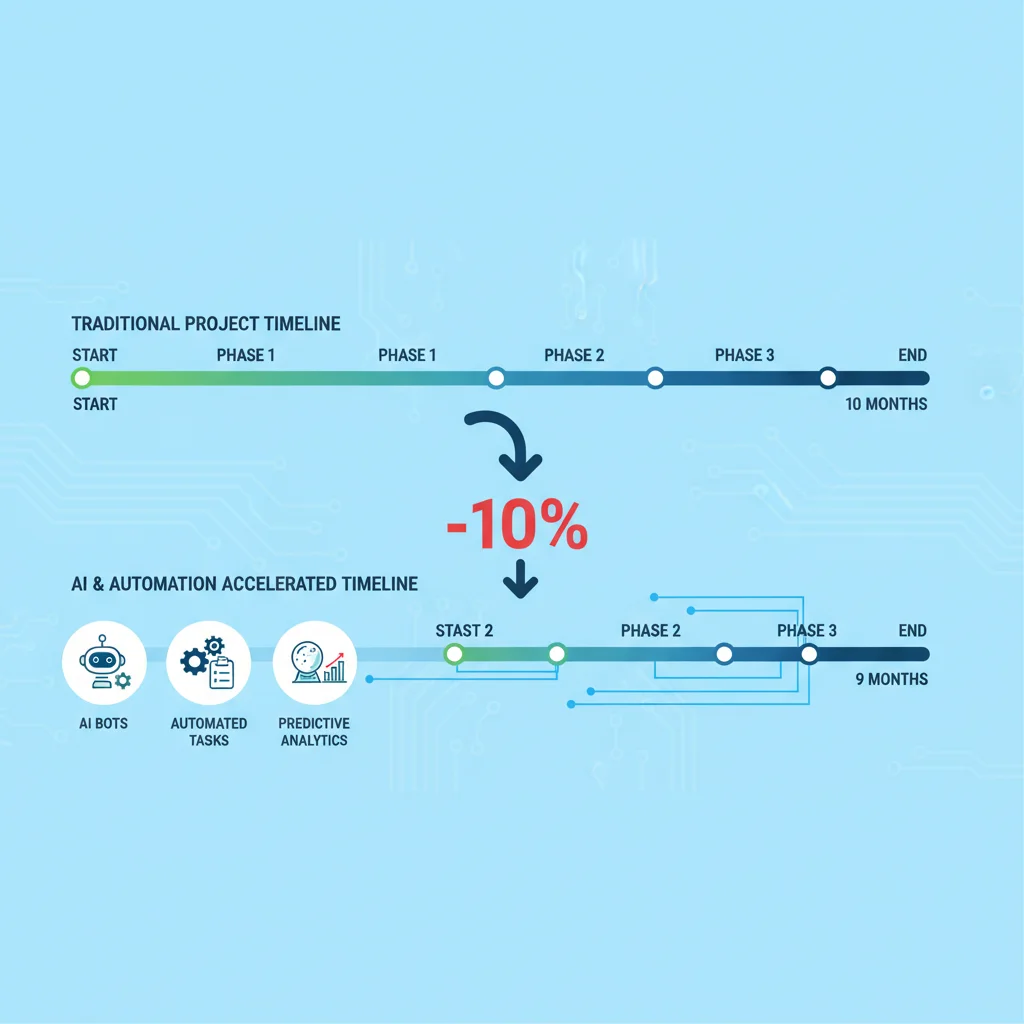
The Impact on Project Timelines: A 10% Reduction
The synergistic effect of these advanced features – intelligent automation, hyper-personalization, enhanced collaboration, and seamless integrations – is what makes the 10% reduction in project timelines a realistic and achievable goal for businesses utilizing the latest project management apps 2026.
How the 10% Reduction is Achieved:
- Reduced Administrative Overhead: Automation of routine tasks, data synchronization, and AI-driven reporting significantly free up project managers and teams from administrative burdens, allowing them to focus on core project work.
- Improved Decision Making: Predictive analytics and AI-powered insights provide project managers with the data needed to make faster, more informed decisions, preventing costly delays.
- Optimized Resource Utilization: Dynamic resource allocation ensures that teams are always working at optimal capacity, minimizing idle time and over-allocation.
- Streamlined Communication: Integrated and intelligent communication tools reduce misunderstandings, accelerate decision-making, and ensure everyone is aligned.
- Proactive Risk Management: AI-driven risk identification and mitigation strategies prevent small issues from escalating into major project delays.
- Faster Onboarding and Adoption: Hyper-personalized interfaces and intuitive designs reduce the learning curve for new users, bringing them to full productivity faster.
Challenges and Considerations for Adoption
While the benefits of these advanced project management apps 2026 are clear, organizations must also be prepared to address certain challenges to ensure successful adoption and maximize their investment:
- Data Privacy and Security: With more data being processed and shared, robust data privacy and security protocols are paramount. Organizations must choose apps that comply with relevant regulations and offer strong encryption and access controls.
- Ethical AI Use: The use of AI in areas like sentiment analysis and performance prediction raises ethical questions. Transparency, fairness, and human oversight are crucial to building trust and ensuring responsible implementation.
- Change Management: Introducing such sophisticated tools requires comprehensive change management strategies. Training, communication, and leadership buy-in are essential to overcome resistance and ensure smooth transition.
- Integration Complexity: While apps offer seamless integrations, the initial setup and configuration with existing complex enterprise systems can still be challenging and require expert planning.
- Cost of Investment: Advanced features often come with a higher price tag. Organizations need to conduct thorough cost-benefit analyses to ensure the ROI justifies the investment.
The Future is Now: Embracing Innovation in Project Management
The evolution of project management apps 2026 signifies a pivotal moment for businesses aiming to enhance efficiency, reduce costs, and accelerate project delivery. The promise of cutting project timelines by 10% is not merely an ambitious target but a tangible outcome within reach for organizations willing to embrace these technological advancements. By strategically implementing these intelligent tools, businesses can foster a culture of agility, innovation, and continuous improvement.
The competitive landscape demands not just good project management, but exceptional project management. The next generation of apps provides the tools to achieve this, transforming project managers from reactive problem-solvers into proactive strategists. As we move further into 2026, those who leverage these powerful platforms will undoubtedly gain a significant edge, delivering projects faster, with higher quality, and within budget, ultimately driving greater business success and innovation.