Privacy-Focused Messaging Apps: What’s New in 2026 and Why It Matters
In an increasingly interconnected world, where our digital footprints are constantly expanding, the sanctity of private communication has never been more critical. As we step into 2026, the landscape of digital privacy, particularly concerning messaging applications, has undergone significant transformations. The demand for secure messaging apps has surged, driven by a heightened awareness of data breaches, surveillance, and the inherent vulnerabilities of conventional communication platforms. This article delves deep into the latest advancements in privacy-focused messaging applications, exploring new features, enhanced security protocols, and the paramount importance of safeguarding your digital conversations in the modern era.
The Evolving Threat Landscape: Why Privacy is Non-Negotiable
Before we dissect the technological innovations, it’s crucial to understand why the emphasis on secure messaging apps has intensified. The past few years have been marked by a relentless barrage of cyber threats, ranging from sophisticated state-sponsored espionage to widespread data harvesting by corporations. Personal data, once considered an abstract concept, is now a valuable commodity, traded and exploited in various forms. This realization has shifted public perception, making privacy not just a preference, but a fundamental right and a necessity for digital well-being.
In 2026, the threats are more nuanced and pervasive. Artificial intelligence (AI) has advanced to a point where sophisticated algorithms can analyze vast amounts of communication data, potentially inferring sensitive information even from seemingly innocuous conversations. Deepfake technology, once a novelty, has become a potent tool for misinformation and identity theft, further eroding trust in digital interactions. Furthermore, the regulatory environment, while attempting to catch up, often lags behind technological advancements, leaving individuals exposed. This dynamic backdrop underscores the urgent need for robust, privacy-centric communication solutions.
Defining ‘Privacy-Focused’: Beyond Basic Encryption
When we talk about secure messaging apps, it’s easy to assume that end-to-end encryption (E2EE) is the be-all and end-all. While E2EE remains the cornerstone of secure communication, the definition of ‘privacy-focused’ in 2026 extends far beyond this foundational element. Modern privacy demands a holistic approach, encompassing a multitude of features designed to protect user data at every touchpoint.
A truly privacy-focused app today considers metadata protection, anonymity features, decentralized architectures, and transparent security audits. It’s about minimizing data collection by design, empowering users with granular control over their information, and ensuring that even the service provider has minimal access to user communications. The shift is from simply encrypting messages to building an entire ecosystem where privacy is the default, not an add-on feature.
Key Innovations in Secure Messaging Apps for 2026
The year 2026 brings with it a suite of groundbreaking features and improvements in the realm of secure messaging apps. These innovations are designed to address the evolving threat landscape and meet the growing demand for uncompromising digital privacy.
1. Quantum-Resistant Encryption (QRE)
One of the most significant developments is the widespread adoption of quantum-resistant encryption algorithms. With the theoretical advent of quantum computing capable of breaking current cryptographic standards, developers have been proactive in integrating post-quantum cryptography (PQC) into their systems. This ensures that even in a future where quantum computers are commonplace, your communications remain indecipherable to malicious actors. This proactive approach to security is a hallmark of leading secure messaging apps in 2026.
2. Advanced Metadata Protection
While E2EE protects the content of your messages, metadata (who you communicate with, when, and how often) can reveal significant patterns about your life. In 2026, top-tier secure messaging apps are implementing advanced techniques to obscure metadata. This includes:
- Sender Anonymization: Techniques like anonymous credentials and mix networks are being employed to make it harder to link messages to specific senders.
- Traffic Analysis Obfuscation: Mechanisms that vary message sizes and timings, or route messages through multiple relays, to prevent traffic analysis attacks that could reveal communication patterns.
- Ephemeral Metadata: Similar to disappearing messages, some apps now offer options for metadata to be automatically deleted after a certain period, further minimizing data trails.
3. Decentralized Architectures and Federations
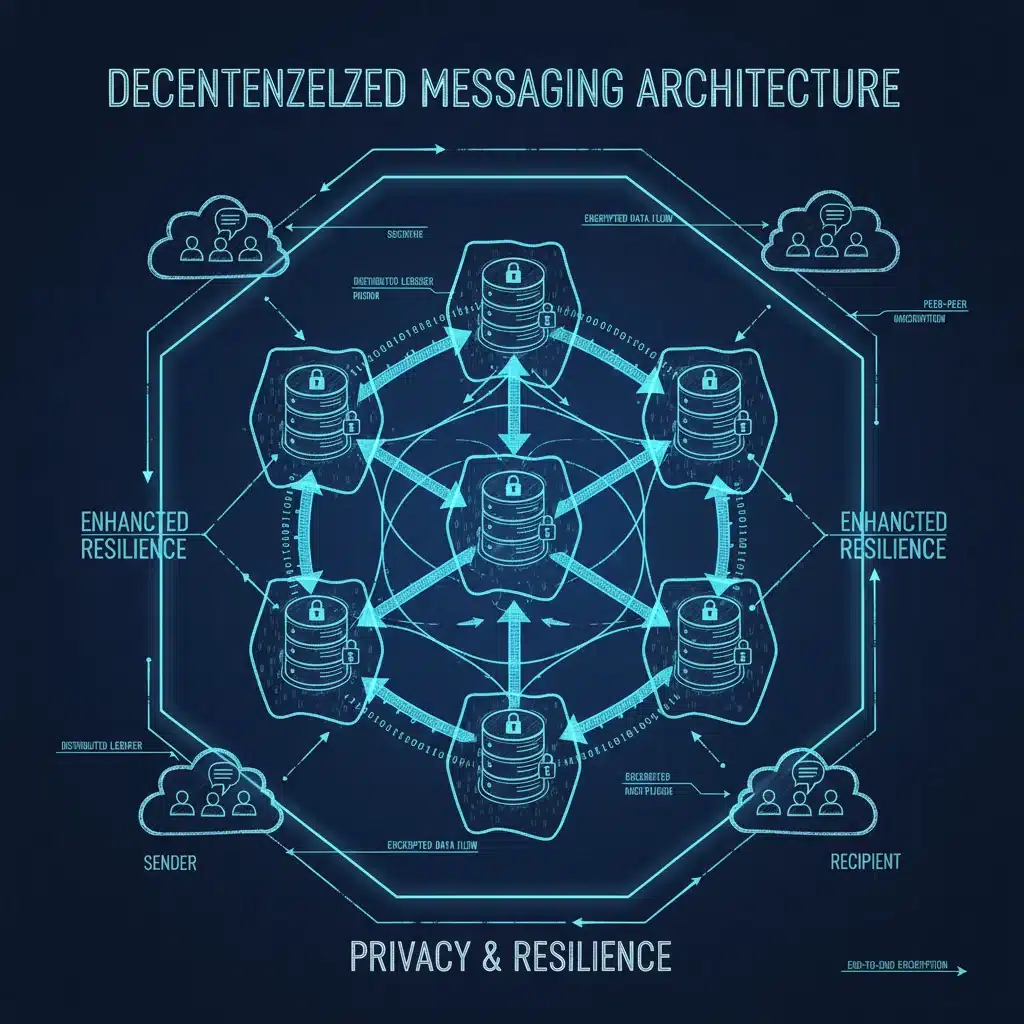
The reliance on centralized servers has always been a point of vulnerability. In 2026, a growing number of secure messaging apps are moving towards decentralized or federated architectures. Decentralized apps distribute data across a network of nodes, making it much harder for a single point of failure or a single entity to control or compromise user data. Federated systems allow different servers to communicate with each other using open protocols, giving users more choice and control over their data hosting.
This shift not only enhances resilience against censorship and server outages but also significantly boosts privacy by removing the single data custodian model that has historically been exploited. Users can often host their own servers or choose from a variety of trusted providers, fostering a more robust and privacy-respecting ecosystem.
4. Enhanced Identity Verification and Authentication
Beyond securing messages, verifying the identity of who you are communicating with is equally important. 2026 sees the integration of more sophisticated identity verification methods into secure messaging apps. These include:
- Decentralized Identity (DID): Leveraging blockchain technology, DIDs allow users to control their digital identities without relying on central authorities, making impersonation more difficult.
- Biometric Authentication with Zero-Knowledge Proofs: Advanced biometric security features that use zero-knowledge proofs ensure that your biometric data is never shared with the service provider, only that you are who you claim to be.
- Hardware-Backed Security: Integration with secure enclaves and trusted platform modules (TPMs) in devices to protect cryptographic keys, making them resistant to software-based attacks.
5. Auditable Open-Source Code and Transparent Practices
Trust is paramount in privacy. In 2026, the most reputable secure messaging apps are not only open-source but also regularly undergo independent security audits. This transparency allows the broader security community to scrutinize the code for vulnerabilities and backdoors, fostering greater trust among users. Apps that are closed-source or lack regular, public audits are increasingly viewed with suspicion, as users demand verifiable proof of their privacy claims.
6. Privacy-Preserving AI Features
The integration of AI into communication platforms is inevitable. However, secure messaging apps in 2026 are developing AI features that prioritize privacy. This includes on-device AI models for features like smart replies, spam filtering, and language translation, ensuring that sensitive data never leaves your device to be processed in the cloud. Federated learning techniques are also being explored, allowing AI models to be trained on decentralized data without compromising individual privacy.
The Importance of Choosing the Right Secure Messaging App
With a plethora of options available, selecting the right secure messaging app can be daunting. In 2026, the choice is not just about features but about aligning with an app’s core philosophy and its commitment to user privacy. Here are factors to consider:
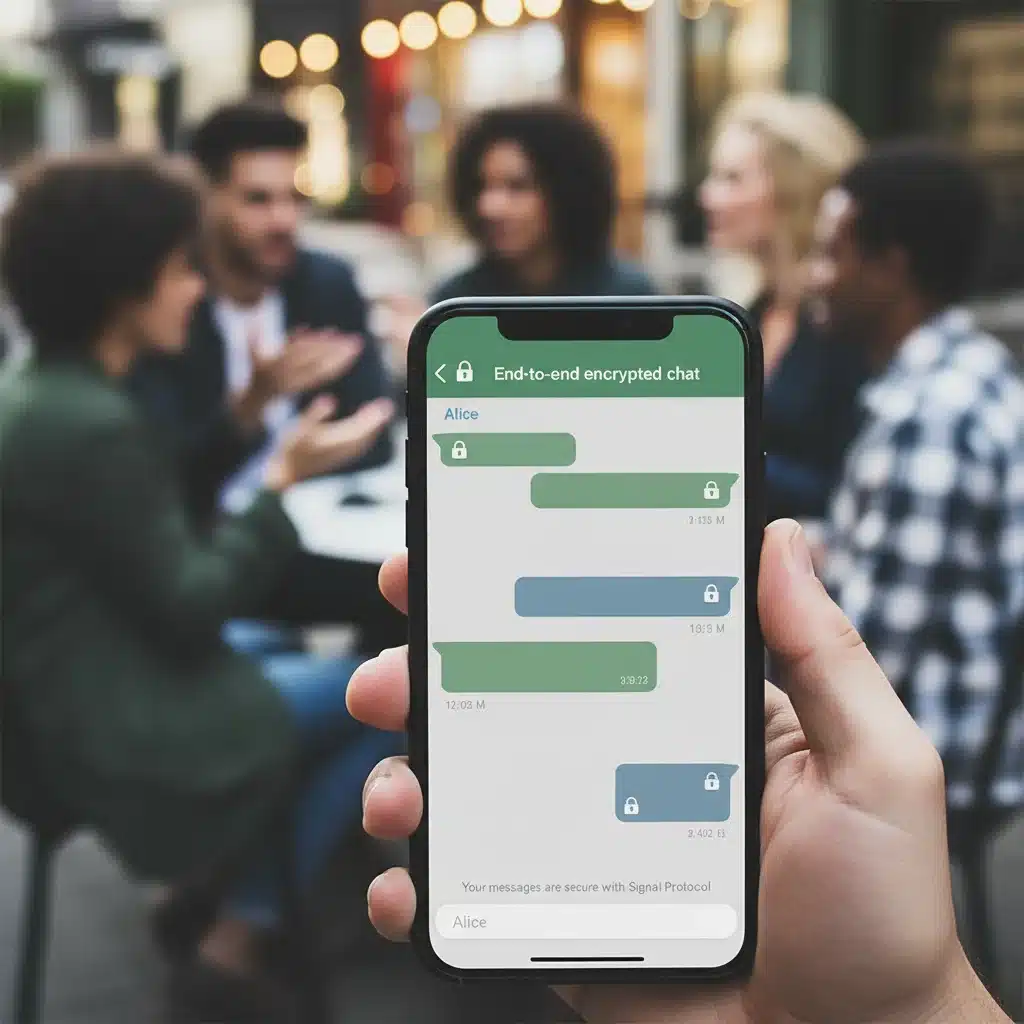
- End-to-End Encryption: Still foundational. Ensure it uses strong, well-vetted protocols (e.g., Signal Protocol).
- Metadata Protection: Investigate how the app handles your metadata. Does it collect minimal data? Does it offer features to obscure it?
- Open Source and Auditable: Transparency is key. Can the code be inspected by experts? Has it undergone recent security audits?
- Decentralization/Federation: Does the app offer a decentralized or federated architecture, reducing reliance on a single point of control?
- Jurisdiction: Where is the company based? What are the local data retention and privacy laws?
- Ease of Use: A highly secure app is only effective if people actually use it. A good balance between security and user-friendliness is crucial.
- Feature Set: Does it meet your communication needs (group chats, voice/video calls, file sharing) while maintaining privacy?
- Identity Verification: How does the app help you verify the identity of your contacts to prevent impersonation?
- Business Model: How does the app make money? If it’s free, are you the product? Look for subscription-based models or donations that align with privacy principles.
Real-World Impact: Why Your Choice Matters
The decision to use a secure messaging app extends beyond personal preference; it has significant real-world implications. For journalists, activists, and whistleblowers, these apps can be a lifeline, protecting sources and ensuring the free flow of information. For businesses, they safeguard sensitive corporate communications and intellectual property. For individuals, they protect personal relationships, financial data, and medical information from prying eyes.
In 2026, the collective adoption of privacy-focused technologies sends a powerful message to governments and corporations: that individuals demand control over their digital lives. It fosters a more democratic and secure digital environment, where freedom of expression and privacy are upheld, rather than eroded by pervasive surveillance and data exploitation. Your choice contributes to a larger movement towards a more private internet.
Challenges and the Road Ahead for Secure Messaging Apps
Despite the remarkable progress, the journey for secure messaging apps is not without its challenges. The constant cat-and-mouse game with state actors and cybercriminals requires continuous innovation. Regulatory pressures, such as demands for ‘backdoors’ or client-side scanning, pose significant threats to the integrity of end-to-end encryption. Educating the general public about the importance of digital privacy and the nuances of secure communication remains an ongoing effort.
Furthermore, achieving mass adoption while maintaining stringent privacy standards is a delicate balance. User experience, interoperability, and the ability to integrate with other essential digital tools are crucial for widespread acceptance. The future of secure messaging apps will likely see further advancements in post-quantum cryptography, more robust decentralized network models, and greater integration with privacy-preserving hardware. The goal is to make advanced privacy features seamless and accessible to everyone, not just the tech-savvy.
Conclusion: Empowering Your Digital Future with Secure Messaging Apps
As we navigate the complexities of 2026, the importance of choosing and utilizing secure messaging apps cannot be overstated. The advancements in quantum-resistant encryption, metadata protection, decentralized architectures, and transparent practices offer unprecedented levels of digital privacy. By understanding these innovations and making informed choices, you are not just protecting your own communications; you are contributing to a more secure, private, and free digital world for everyone.
Take the time to research, evaluate, and adopt a messaging solution that aligns with your privacy values. In an era where data is the new oil, securing your digital conversations is an act of self-preservation and a stand for fundamental digital rights. Embrace the future of secure communication and empower your digital future.