Edge Computing Trends: How US Industries are Shifting Data Processing in 2026
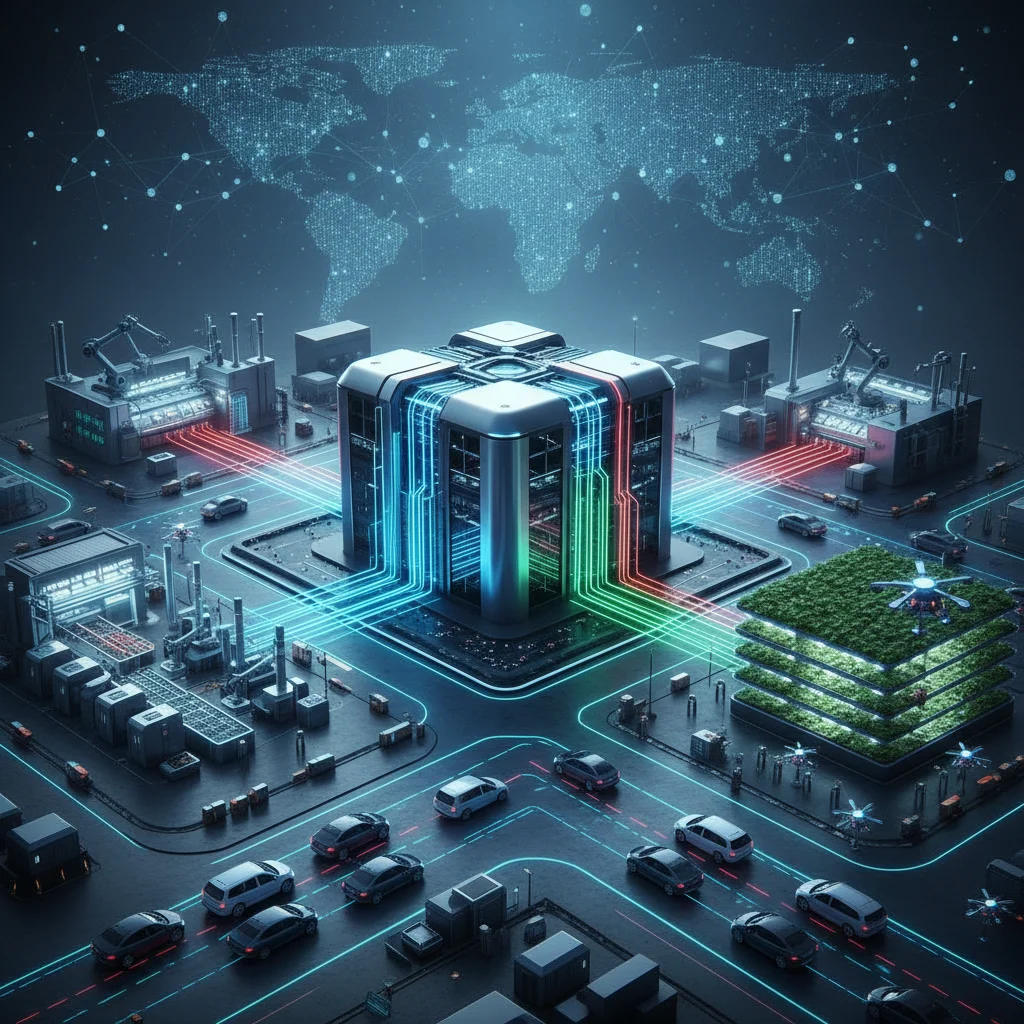
The technological landscape is in constant flux, and one of the most defining shifts we’re witnessing is the accelerated adoption of edge computing. As we look towards 2026, the Edge Computing Trends are not just buzzwords but fundamental changes in how US industries process, analyze, and leverage data. This paradigm shift, moving computation closer to the data source, is driven by an insatiable demand for real-time insights, enhanced security, and optimized operational efficiency across a myriad of sectors. From smart factories to connected cities, the distributed intelligence offered by edge computing is becoming indispensable.
Understanding the Core of Edge Computing
Before delving into the specific Edge Computing Trends for 2026, it’s crucial to grasp the essence of edge computing itself. Traditionally, data generated by devices (like IoT sensors or user interactions) was sent to a centralized cloud or data center for processing. While effective for many applications, this centralized model introduces latency – the time delay between data generation and processing – and bandwidth limitations, especially in scenarios requiring immediate decision-making or dealing with massive volumes of data.
Edge computing, conversely, brings computation and data storage closer to the sources of data. This ‘edge’ can be anything from a factory floor, a retail store, an autonomous vehicle, or even a smartphone. By processing data locally, organizations can reduce latency, minimize bandwidth consumption, enhance data security and privacy, and enable real-time applications that would be impossible with a solely cloud-based approach. It’s not about replacing the cloud but rather augmenting it, creating a more efficient and responsive distributed computing architecture.
The Driving Forces Behind Edge Computing Adoption in 2026
Several critical factors are propelling the rapid adoption of edge computing across US industries. Understanding these drivers is key to comprehending the significant Edge Computing Trends we anticipate in 2026.
The Proliferation of IoT Devices
The Internet of Things (IoT) continues its explosive growth. Billions of connected devices, from industrial sensors to smart home gadgets, are generating unprecedented amounts of data. Sending all this raw data to the cloud for processing is often impractical due to bandwidth costs and latency concerns. Edge computing provides the necessary infrastructure to process this data closer to its origin, enabling immediate actions and reducing the strain on central networks.
The Need for Real-Time Insights and Automation
Many modern applications, particularly in industrial automation, autonomous systems, and critical infrastructure, demand real-time responses. For instance, an autonomous vehicle cannot afford a delay in processing sensor data; decisions must be made in milliseconds. Similarly, in manufacturing, predictive maintenance requires immediate analysis of machine performance data to prevent costly downtime. Edge computing facilitates these real-time capabilities by cutting down the distance data has to travel.
Enhanced Data Security and Privacy Concerns
As data breaches become more common and regulations like GDPR and CCPA tighten, organizations are increasingly concerned about data security and privacy. Processing sensitive data at the edge can reduce the amount of data transmitted over public networks, thereby lowering the risk of interception. Furthermore, edge devices can be configured to filter, anonymize, or encrypt data before it leaves the local environment, offering an additional layer of protection.
5G Network Rollout and Its Synergy with Edge
The widespread deployment of 5G networks is a game-changer for edge computing. 5G’s ultra-low latency and high bandwidth capabilities perfectly complement edge infrastructure. This synergy allows for even faster data transfer between edge devices and localized processing units, unlocking new possibilities for applications requiring high-speed communication and real-time computation, such as augmented reality (AR) and virtual reality (VR) in industrial settings or remote surgery.
Key Edge Computing Trends Reshaping US Industries in 2026
By 2026, the impact of edge computing will be profoundly felt across various sectors. Here are the most significant Edge Computing Trends that will define this technological era:
1. Hyper-Distributed Edge Architectures
The concept of ‘the edge’ is becoming increasingly granular. We’re moving beyond just localized data centers to a hyper-distributed model where processing capabilities are embedded within individual devices, gateways, and micro-data centers. This trend enables even more localized processing, pushing computation to the absolute periphery of the network. Industries will adopt multi-access edge computing (MEC) more broadly, bringing cloud-like capabilities directly to mobile users and IoT devices. This will be crucial for applications demanding ultra-low latency and high context awareness.
2. AI and Machine Learning at the Edge
One of the most transformative Edge Computing Trends is the widespread deployment of Artificial Intelligence (AI) and Machine Learning (ML) models directly on edge devices. Instead of sending all data to the cloud for AI inference, pre-trained AI models will run locally, enabling immediate analysis and decision-making. This is vital for predictive maintenance, quality control in manufacturing, real-time facial recognition in security, and personalized healthcare monitoring. The development of specialized AI chips for edge devices will further accelerate this trend, making AI inference more efficient and cost-effective.
3. Enhanced Security and Privacy at the Edge
While edge computing offers inherent security benefits by reducing data transit, it also introduces new security challenges. In 2026, we’ll see a significant focus on developing robust security frameworks specifically for edge environments. This includes advanced encryption protocols, secure boot mechanisms for edge devices, identity and access management (IAM) tailored for distributed systems, and AI-powered threat detection at the edge. The principle of ‘zero trust’ will be paramount, ensuring that every device and user is rigorously authenticated and authorized, regardless of its location within the edge network.
4. Edge-to-Cloud Continuum Management
Edge computing is not a standalone technology but rather an extension of cloud computing. The future lies in a seamless edge-to-cloud continuum, where workloads can be intelligently orchestrated and migrated between edge devices, fog nodes, and central cloud data centers based on real-time needs, resource availability, and cost considerations. This trend requires sophisticated management platforms that can oversee and automate operations across this distributed infrastructure, ensuring consistent performance, security, and compliance. Hybrid and multi-cloud strategies will increasingly incorporate edge components as integral parts of their architecture.
5. Industry-Specific Edge Solutions
The generic approach to edge computing will give way to highly specialized, industry-specific solutions. Different sectors have unique requirements for latency, data volume, security, and environmental conditions. For example, edge solutions for manufacturing will prioritize real-time control and predictive analytics, while those for healthcare will focus on data privacy and rapid diagnostic support. Vertical-specific edge platforms and ecosystems will emerge, offering tailored hardware, software, and services that directly address the pain points and opportunities within each industry.
Impact of Edge Computing Trends on US Industries in 2026
The profound Edge Computing Trends will redefine operational paradigms across major US industries:
Manufacturing and Industrial Automation
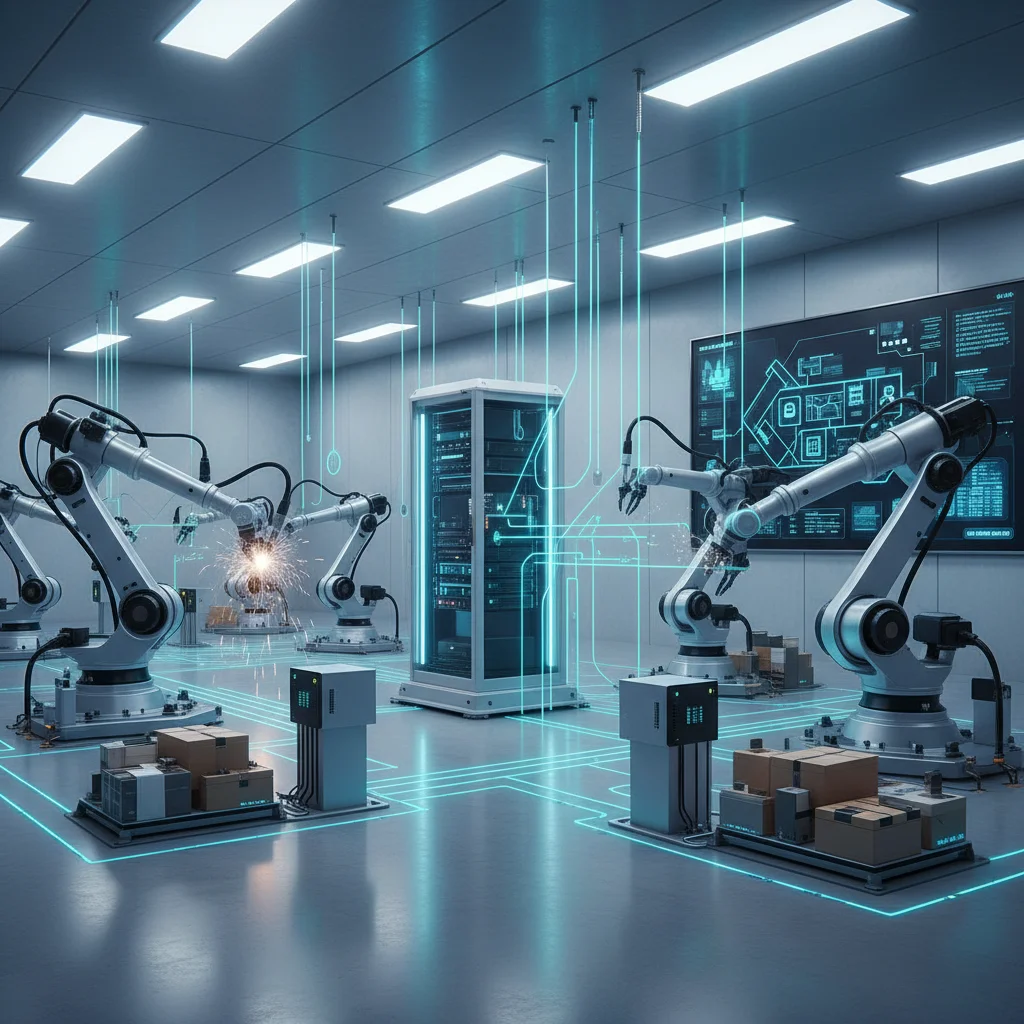
In manufacturing, edge computing will be a cornerstone of Industry 4.0 initiatives. Real-time monitoring of machinery, predictive maintenance, automated quality control through AI vision systems, and robotic orchestration will all heavily rely on edge processing. This will lead to significant reductions in downtime, improved product quality, and increased operational efficiency. Smart factories will become more autonomous, with edge devices making critical decisions on the plant floor without human intervention.
Healthcare and Life Sciences
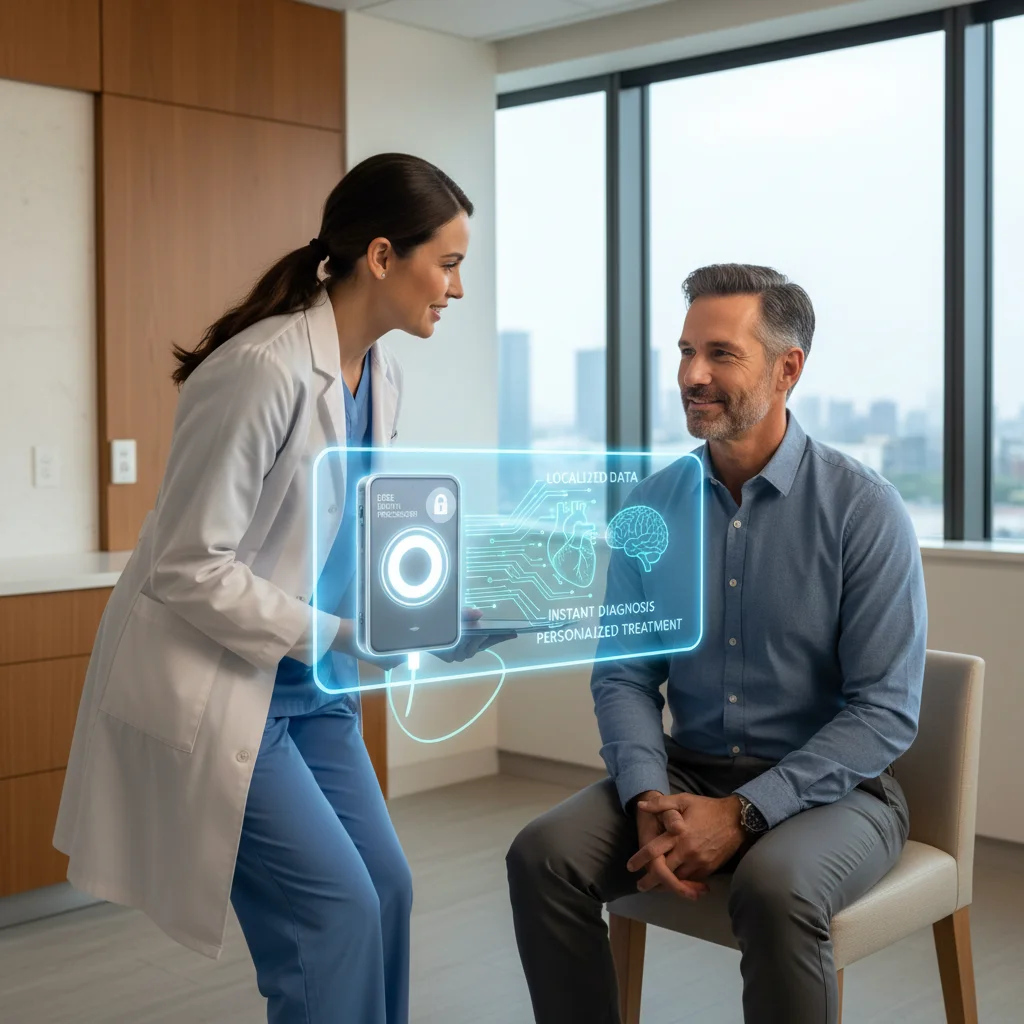
Edge computing will revolutionize healthcare by enabling faster diagnostics, personalized treatment plans, and enhanced patient monitoring. Wearable devices and IoT sensors will collect vast amounts of patient data, which can be processed at the edge for immediate alerts in critical situations. Edge AI will support medical imaging analysis, reducing the burden on radiologists and speeding up diagnosis. Furthermore, edge computing can help maintain patient data privacy by processing sensitive information locally before securely transmitting only necessary, anonymized data to the cloud.
Retail and Smart Cities
The retail sector will leverage edge computing for real-time inventory management, personalized customer experiences, and optimized store operations. AI-powered cameras at the edge can analyze shopper behavior, manage foot traffic, and prevent theft. In smart cities, edge computing will power intelligent traffic management systems, public safety surveillance, smart utility grids, and environmental monitoring, making urban environments more efficient, sustainable, and safer for residents. Public transportation will also benefit from edge-enabled predictive maintenance and real-time route optimization.
Transportation and Logistics
Autonomous vehicles, drones, and smart logistics networks are inherently dependent on edge computing. Self-driving cars require ultra-low latency processing of sensor data for navigation and collision avoidance. Edge computing will also optimize supply chain logistics by providing real-time tracking, route optimization, and predictive maintenance for delivery fleets. This will lead to more efficient deliveries, reduced fuel consumption, and enhanced safety across the transportation industry.
Energy and Utilities
The energy sector will utilize edge computing for smart grid management, predictive maintenance of infrastructure, and optimizing renewable energy sources. Edge devices can monitor grid stability, detect anomalies, and enable faster responses to outages. For renewable energy, edge AI can forecast energy production from solar panels or wind turbines, optimizing energy distribution and storage. This will make energy systems more resilient, efficient, and capable of integrating diverse power sources.
Challenges and Considerations for Edge Computing Adoption
While the benefits are clear, the journey to a fully edge-enabled future is not without its challenges. Organizations must consider several factors when planning their edge computing strategies:
Complexity of Management and Orchestration
Managing a highly distributed infrastructure comprising numerous edge devices, gateways, and micro-data centers can be significantly more complex than managing a centralized cloud environment. Robust tools for orchestration, monitoring, and automated deployment are essential to handle this complexity effectively.
Security at the Edge
As mentioned, while edge computing can enhance security, it also expands the attack surface. Securing a multitude of diverse edge devices, many of which may be in remote or unprotected environments, requires a comprehensive and proactive security strategy, including physical security, secure software updates, and advanced threat detection.
Interoperability and Standardization
The edge computing ecosystem is still evolving, with various vendors offering proprietary solutions. Ensuring interoperability between different hardware and software components from multiple vendors will be crucial for scalable and flexible deployments. The push for open standards and frameworks will be vital in overcoming this challenge.
Connectivity and Network Infrastructure
While edge computing reduces reliance on constant cloud connectivity, a certain level of reliable network infrastructure is still required for initial deployment, software updates, and sending summarized data to the cloud. The availability and reliability of 5G and other high-speed networks will play a significant role in the success of edge deployments.
Cost and ROI
The initial investment in edge computing hardware, software, and skilled personnel can be substantial. Organizations need to carefully evaluate the return on investment (ROI) and identify specific use cases where edge computing delivers clear and measurable business value. Long-term operational costs, including maintenance and energy consumption of edge devices, also need to be factored in.
The Future Outlook: Beyond 2026
Looking beyond 2026, the Edge Computing Trends will continue to mature and integrate more deeply into the fabric of US industries. We can anticipate even greater levels of autonomy at the edge, with devices capable of self-healing, self-optimization, and more complex decision-making without human intervention. The lines between edge, fog, and cloud computing will blur further, leading to truly seamless and intelligent distributed systems.
Quantum computing, while still nascent, could eventually find its place at the edge for highly specialized, computationally intensive tasks, further pushing the boundaries of what’s possible. Furthermore, the ethical implications of pervasive edge AI, particularly concerning data privacy, surveillance, and algorithmic bias, will become increasingly important considerations, necessitating robust regulatory frameworks and responsible AI development practices.
Conclusion
The year 2026 marks a pivotal moment for edge computing in the United States. The Edge Computing Trends outlined above indicate a fundamental shift in how industries approach data, moving towards a more distributed, real-time, and intelligent processing paradigm. From enhancing operational efficiency in manufacturing to revolutionizing patient care in healthcare, edge computing is not just an incremental improvement; it’s a transformative technology poised to unlock unprecedented levels of innovation and competitiveness. As businesses navigate this evolving landscape, strategic adoption of edge solutions will be key to staying ahead in the digital economy.