Smart Home Integration: Best 4 Control Apps of 2026 for Seamless Automation
Smart Home Integration: Best 4 Control Apps of 2026 for Seamless Automation
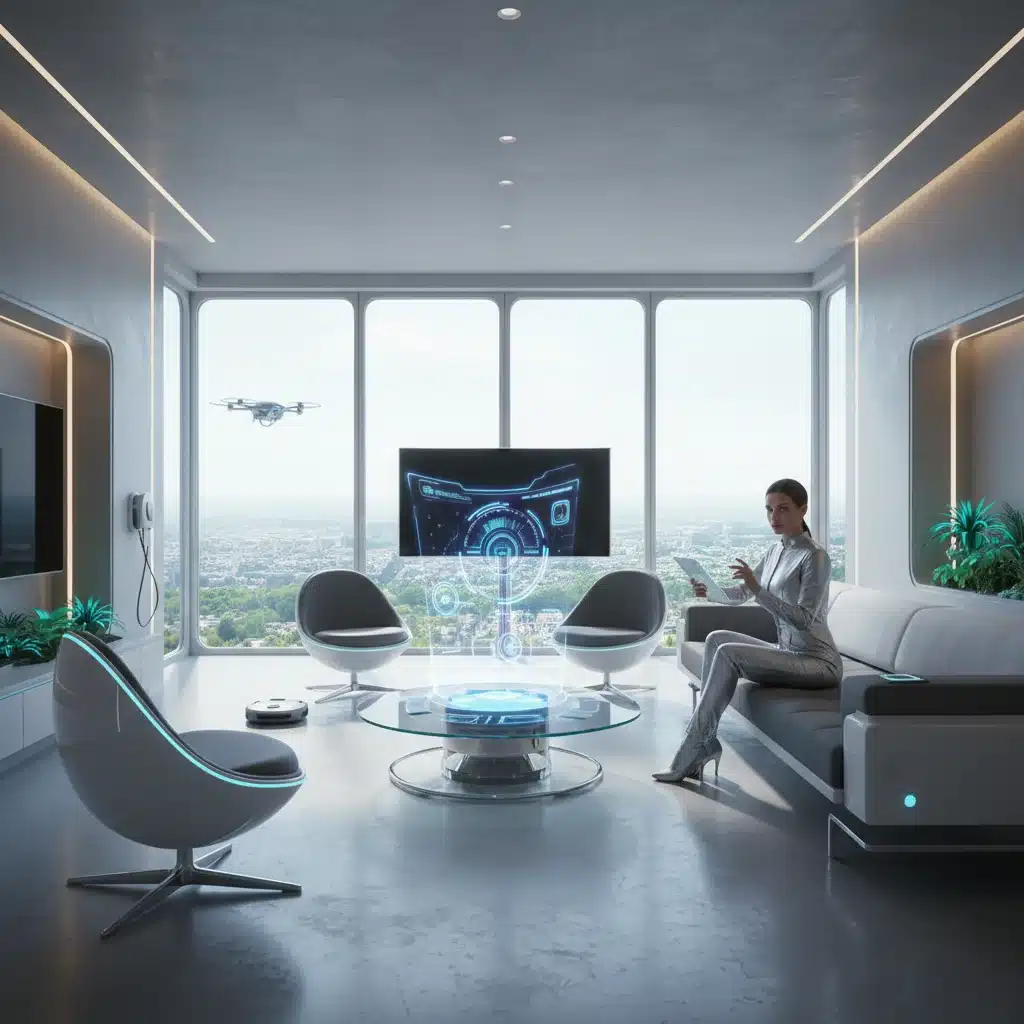
The dawn of 2026 brings with it an even more sophisticated landscape for smart home technology. What was once a collection of disparate gadgets has evolved into a truly interconnected ecosystem, largely thanks to advancements in smart home integration. The heart of this evolution lies in the control applications that allow us to manage, automate, and personalize our living spaces with unprecedented ease. No longer are we juggling multiple apps for different devices; today’s leading smart home control apps offer a unified, intelligent, and often predictive experience.
In this comprehensive guide, we delve into the world of smart home control and automation, highlighting the best four applications that are setting the standard for seamless smart home integration in 2026. Whether you’re a seasoned smart home enthusiast or just beginning your journey into connected living, understanding these applications is crucial for unlocking the full potential of your smart devices. We’ll explore their unique features, discuss their compatibility, and analyze what makes them stand out in a crowded market, ensuring you can make an informed decision to elevate your smart living experience.
The Evolution of Smart Home Integration: What’s New in 2026?
Before diving into the top apps, it’s essential to grasp the significant shifts in smart home integration technology that have occurred by 2026. The key trends include:
- Hyper-Personalization: AI and machine learning have matured, allowing systems to learn user habits and preferences with remarkable accuracy, offering proactive automation rather than just reactive control.
- Enhanced Interoperability: Open standards and robust APIs have made it easier for devices from different manufacturers to communicate seamlessly, reducing compatibility headaches.
- Advanced Security Protocols: With more devices connected, security has become paramount. 2026 sees stronger encryption, multi-factor authentication, and built-in privacy features as standard.
- Edge Computing: More processing is happening locally on devices, reducing latency and reliance on cloud services, which enhances speed and data privacy.
- Intuitive User Interfaces: Apps are more user-friendly than ever, featuring customizable dashboards, drag-and-drop automation builders, and natural language processing for voice commands.
These advancements have paved the way for a new generation of control apps that are not just controllers, but intelligent orchestrators of your home environment. The goal of superior smart home integration is to make technology disappear into the background, working silently and efficiently to improve your comfort, convenience, and security without constant user intervention.
Criteria for Selecting the Best Smart Home Control Apps
When evaluating the myriad of smart home control applications available in 2026, we focused on several critical criteria to determine the top contenders for seamless smart home integration:
- Device Compatibility: How many different brands and types of devices can the app connect with? Broader compatibility is always better.
- Automation Capabilities: Does it offer advanced scheduling, conditional triggers (if-then scenarios), and complex routines?
- User Interface (UI) and User Experience (UX): Is the app intuitive, easy to navigate, and pleasant to use? Customization options are a plus.
- Reliability and Performance: Does the app consistently connect to devices without lag or frequent disconnections?
- Security and Privacy: What measures are in place to protect user data and device access?
- Voice Assistant Integration: Seamless integration with popular voice assistants like Google Assistant, Amazon Alexa, and Apple Siri is crucial for hands-free control.
- Remote Access: Can you control your home from anywhere in the world securely?
- Ecosystem Depth: Does the app offer its own ecosystem of devices, or is it purely an aggregator? Both models have their advantages.
- Future-Proofing: How well does the app adapt to new technologies and updates?
By applying these stringent criteria, we’ve identified four applications that not only meet but exceed expectations for modern smart home integration. These apps represent the pinnacle of smart home control in 2026, offering robust features, excellent performance, and a user-centric design that truly enhances daily life.
Top 4 Smart Home Control Apps of 2026 for Seamless Automation
1. HomeLink Pro: The Unified Ecosystem Master
HomeLink Pro has solidified its position as a frontrunner in smart home integration, particularly for users seeking a truly unified ecosystem. Launched with an ambitious vision, by 2026, it has achieved remarkable success in bringing together devices from hundreds of manufacturers under one intuitive interface. Its strength lies in its robust open-source framework, allowing for extensive community development and a vast library of compatible devices.
Key Features and Strengths:
- Universal Compatibility: HomeLink Pro boasts the broadest compatibility list, supporting Z-Wave, Zigbee, Wi-Fi, Bluetooth, and even proprietary protocols through various hubs and bridges. This makes it an ideal choice for homes with a diverse range of smart devices.
- Advanced AI-Driven Automation: Its AI engine, ‘NeuroFlow,’ learns your daily routines and preferences with impressive accuracy. It can proactively adjust lighting, climate, and security settings based on occupancy, time of day, weather forecasts, and even your calendar appointments. For instance, it might pre-heat your oven if it detects you’re on your way home and usually cook at that time.
- Customizable Dashboards: Users can create highly personalized dashboards with widgets for their most frequently used devices and scenes. The drag-and-drop interface makes customization a breeze.
- Powerful Scripting Engine: For power users, HomeLink Pro offers a sophisticated scripting engine (compatible with Python and JavaScript) for creating highly complex and nuanced automation routines, allowing for unparalleled control over smart home integration.
- Local Processing Priority: To enhance speed and privacy, HomeLink Pro prioritizes local processing where possible, reducing reliance on cloud servers for critical automations.
Potential Considerations:
- While the app itself is user-friendly, setting up complex integrations might require a steeper learning curve for beginners due to the sheer depth of its features.
- Some advanced features require a compatible HomeLink Pro hub, which is an additional investment.
For those who value ultimate control and a truly integrated smart home experience, HomeLink Pro represents the pinnacle of smart home integration in 2026.
2. AuraConnect: The Intuitive Design Champion
AuraConnect has carved out a niche for itself by focusing on unparalleled user experience and aesthetic design, making smart home integration accessible and enjoyable for everyone. While it might not boast the sheer depth of compatibility as HomeLink Pro, its seamless integration with a curated list of high-quality devices makes it incredibly reliable and easy to use. AuraConnect is particularly popular among users who prioritize simplicity and elegance in their smart home setup.
Key Features and Strengths:
- Sleek, Intuitive Interface: AuraConnect’s UI is consistently lauded for its clean design, logical layout, and responsive controls. It makes managing even a complex smart home feel effortless.
- Scene-Based Automation Excellence: Creating and managing scenes (e.g., ‘Movie Night,’ ‘Morning Routine’) is incredibly straightforward. The app offers a wide range of pre-set scenes and an easy-to-use editor for custom creations.
- Robust Voice Control Integration: AuraConnect features deep and highly optimized integration with all major voice assistants, allowing for fluid and natural language commands. Its voice recognition algorithms are among the best in the industry.
- Family Sharing and User Profiles: Multiple users can have personalized profiles within the app, allowing for customized settings and permissions for each family member, enhancing the overall smart home integration experience for everyone.
- Energy Management Focus: The app provides detailed insights into energy consumption from connected devices, offering suggestions for optimization and helping users reduce their carbon footprint and electricity bills.
Potential Considerations:
- Compatibility, while excellent with supported devices, is not as broad as HomeLink Pro. Users with very niche or older smart devices might find limitations.
- Advanced scripting options are more limited compared to highly technical platforms.
AuraConnect is the perfect choice for users who want a beautiful, reliable, and user-friendly platform for their smart home integration, especially if they are looking for a streamlined experience without overwhelming complexity.
3. SentinelGuard: The Security & Surveillance Hub
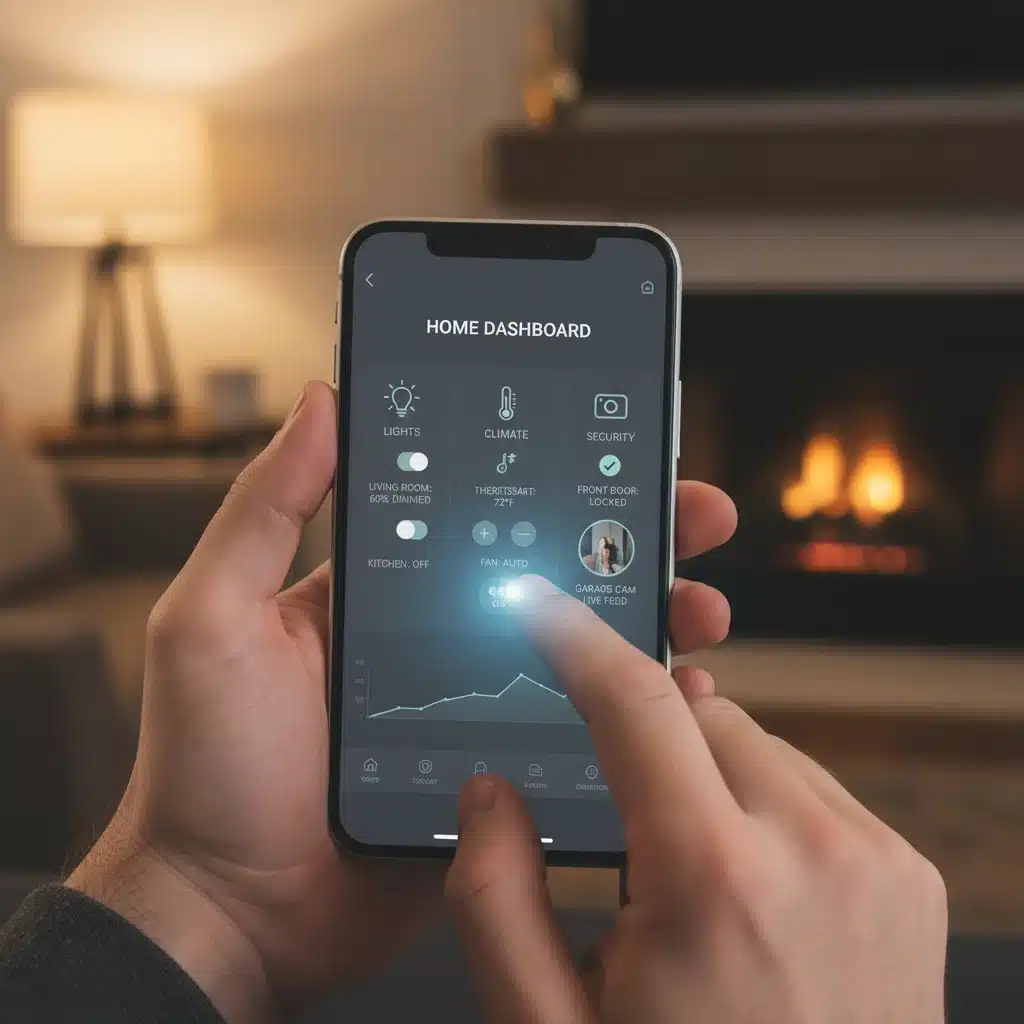
For those whose primary concern for smart home integration revolves around security, surveillance, and peace of mind, SentinelGuard stands out as the undisputed leader in 2026. While it offers comprehensive smart home control, its core strength lies in its advanced security features, intelligent monitoring, and rapid response capabilities. It’s often the go-to app for integrating smart locks, cameras, motion sensors, and alarm systems.
Key Features and Strengths:
- Unrivaled Security Integration: SentinelGuard seamlessly integrates with a vast array of security cameras (including AI-powered facial recognition and object detection), smart locks, door/window sensors, and professional monitoring services.
- Intelligent Threat Detection: Leveraging sophisticated AI, the app can differentiate between pets, vehicles, and humans, minimizing false alarms. It also includes anomaly detection for unusual patterns in activity.
- Automated Emergency Protocols: In case of a detected intrusion or emergency (e.g., smoke alarm), SentinelGuard can automatically lock doors, trigger alarms, flash lights, and notify emergency contacts or services. This level of proactive smart home integration is critical for safety.
- Secure Cloud Storage & Local Backup: Offers highly encrypted cloud storage for video footage with options for local backup to ensure data redundancy and privacy.
- Geo-fencing for Security Automation: Automatically arm or disarm your security system based on your proximity to home, ensuring your property is always protected when you leave and disarmed upon your return.
Potential Considerations:
- While it controls other smart home devices, its primary focus remains security, so its general automation features might not be as extensive as HomeLink Pro or AuraConnect for non-security related tasks.
- Some advanced security features might require a subscription service.
SentinelGuard is the definitive choice for homeowners who prioritize robust security and intelligent surveillance as the cornerstone of their smart home integration strategy.
4. EcoSense: The Sustainable & Energy-Efficient Controller
As environmental consciousness grows, EcoSense has emerged as the leading application for sustainable smart home integration. This app is designed for users who want to minimize their environmental footprint and significantly reduce energy consumption without sacrificing comfort. EcoSense excels at optimizing heating, cooling, lighting, and appliance usage based on real-time energy prices, weather, and occupancy.
Key Features and Strengths:
- Intelligent Energy Optimization: EcoSense uses advanced algorithms to learn your thermal preferences and schedules, then optimizes your HVAC system to maintain comfort while using the least amount of energy. It integrates with smart thermostats, blinds, and even smart windows.
- Renewable Energy Integration: Seamlessly connects with solar panels, home battery storage systems, and smart EV chargers, allowing you to monitor energy generation and consumption, and prioritize the use of renewable energy.
- Real-time Usage Analytics: Provides detailed, easy-to-understand reports on energy consumption by device and zone, helping you identify energy vampires and areas for improvement in your smart home integration.
- Dynamic Pricing Response: Automatically adjusts device usage based on peak and off-peak electricity rates, saving you money on your utility bills.
- Water Conservation Features: Integrates with smart sprinklers and leak detection systems to optimize water usage and prevent costly damage.
Potential Considerations:
- Full benefits require a range of compatible energy-monitoring and smart climate control devices, which can be an initial investment.
- The interface, while functional, might be less aesthetically polished than AuraConnect for general smart home control, as its focus is heavily on data and efficiency.
For the eco-conscious homeowner, EcoSense offers the most comprehensive and intelligent solution for sustainable smart home integration, proving that smart living can also be green living.
Future Trends in Smart Home Integration Apps Beyond 2026
The landscape of smart home integration is constantly evolving, and while these four apps represent the best of 2026, it’s worth considering what the future holds. We can anticipate several key trends:
- Even Deeper AI Personalization: AI will become even more predictive, anticipating needs before users are consciously aware of them, creating a truly invisible layer of automation.
- Ambient Computing: The idea that technology fades into the background, with sensors and AI seamlessly managing the environment without direct interaction. Apps will become more about monitoring and fine-tuning rather than constant control.
- Inter-Home Connectivity: Seamless smart home integration extending beyond a single residence, allowing for easier management of multiple properties or shared spaces.
- Enhanced Haptic and Gesture Control: Beyond voice, more sophisticated gesture controls and haptic feedback will become commonplace, offering new ways to interact with our smart homes.
- Modular and Subscription-Based Features: Apps may offer more modular features, allowing users to subscribe to specific advanced functionalities (e.g., advanced security analytics, hyper-optimized energy saving algorithms) as needed.
- Decentralized Smart Home Networks: Greater emphasis on decentralized networks and blockchain technology for enhanced security, privacy, and user control over data, reducing reliance on central servers.
These future developments promise to make smart home integration even more sophisticated, efficient, and deeply woven into the fabric of our daily lives, transforming our homes into truly intelligent and responsive environments.
Choosing the Right Smart Home Control App for You
The ‘best’ app for smart home integration ultimately depends on your individual needs, existing devices, and priorities. If you crave universal compatibility and deep customization, HomeLink Pro is likely your ideal choice. For those who value elegant design and ease of use, AuraConnect offers a superb experience. If security is paramount, SentinelGuard provides unmatched protection. And for the environmentally conscious, EcoSense leads the way in sustainable smart living.
Before committing to an app, consider the following:
- Your Current Device Ecosystem: Make a list of all your smart devices. Check each app’s compatibility list to ensure your existing tech will integrate seamlessly.
- Your Technical Comfort Level: Some apps offer more advanced features but come with a steeper learning curve. Choose an app that matches your comfort with technology.
- Your Primary Goals: Are you looking for convenience, security, energy savings, or a combination? Prioritizing your goals will help narrow down the options for effective smart home integration.
- Budget: While many core app features are free, some advanced functionalities, hubs, or subscription services might incur additional costs.
Investing time in researching and selecting the right smart home control app is crucial for a successful and enjoyable smart home experience. The right app won’t just control your devices; it will transform your house into an intelligent, responsive, and truly integrated home.
Conclusion: The Future is Integrated
As we navigate 2026, the power of smart home integration is more evident than ever. The control apps discussed – HomeLink Pro, AuraConnect, SentinelGuard, and EcoSense – represent the vanguard of this technological revolution, each offering unique strengths tailored to different user needs. They demonstrate that the future of smart living is not about isolated gadgets, but about a cohesive, intelligent, and automated environment.
Embracing these advanced control applications means moving beyond simple remote control to a world where your home anticipates your needs, protects your loved ones, conserves resources, and enhances your daily comfort and convenience. The journey towards a fully integrated smart home is ongoing, but with these leading apps, you’re well-equipped to experience the very best of what 2026 has to offer in intelligent living.